
Quick answer
Do runners have to stop running to heal an injury?
Most don’t. The usual fix is adjusting your mileage, pace and terrain while we build the strength your stride needs, so you stay on your training block.
We look at how you run, how much you run and how strong you are, then give you a plan that gets you to race day ready.
What we see
Common Running & triathlon injuries we treat
If it limits your training or competing, we can help. Common reasons athletes see us:
Sound familiar?
What we hear, and what we do about it.
You know your body and your sport. We listen first, then build the plan around what you want to get back to.
Common experience
“It only hurts after mile four.”

The KinetiQuest way
We look at your stride, cadence and fatigue, then build the strength that holds up for the whole run.
Common experience
“I’ve been told runners just get hurt.”
The KinetiQuest way
Running injuries are common, not inevitable. Strength work and smart training changes prevent most of them.
Common experience
“My race is in eight weeks.”
The KinetiQuest way
We build your plan around your race date and adjust training so you keep fitness while you heal.
What’s actually going on
Built for athletes who aren't done yet.
Generic rehab gets you out of pain. We get you back to running & triathlon. A few things most athletes are never told:
01 Most running injuries are load problems.
They show up when weekly miles or intensity climb faster than your tissues can adapt.
02 Strength is the missing piece.
Hip, calf and foot strength protect your stride far better than stretching or new shoes alone.
03 You can usually keep running.
Adjusting distance, pace and surface keeps you moving while the injury settles.
How we help
Three steps. Always know where you are.
One board-certified specialist guides you from your first visit to your last. It isn’t easy, but it is simple.

Step 01
Evaluate
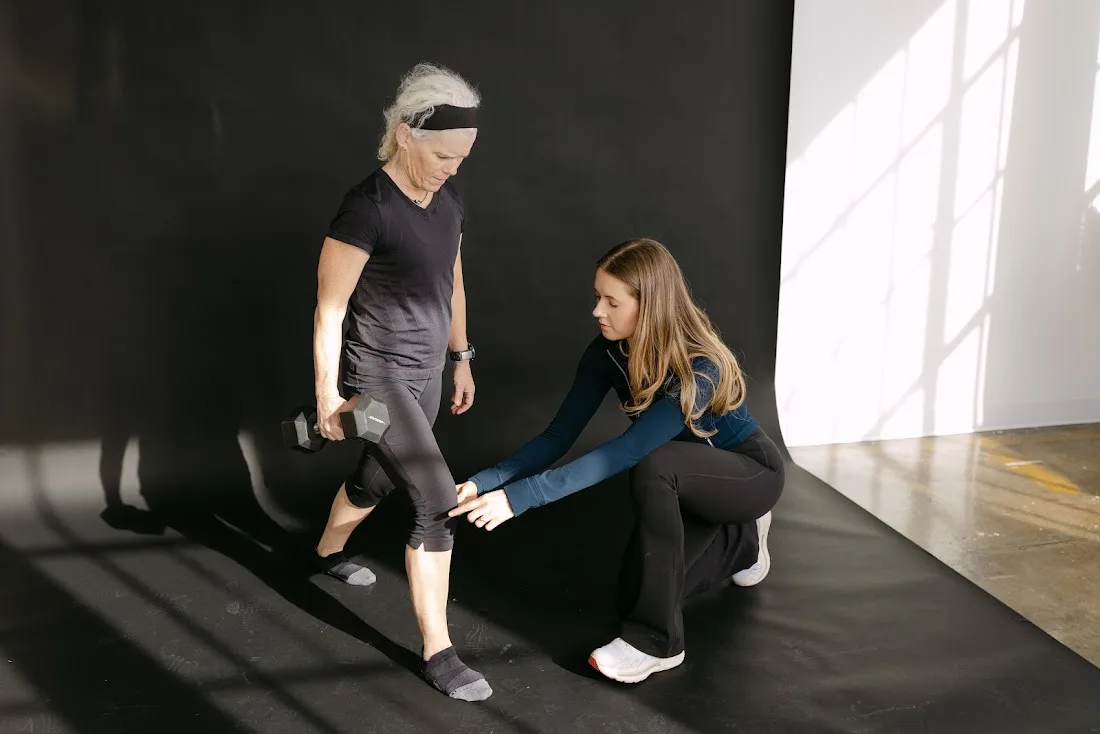
We assess your stride, single-leg strength and control, and your recent training load.
Step 02
Program
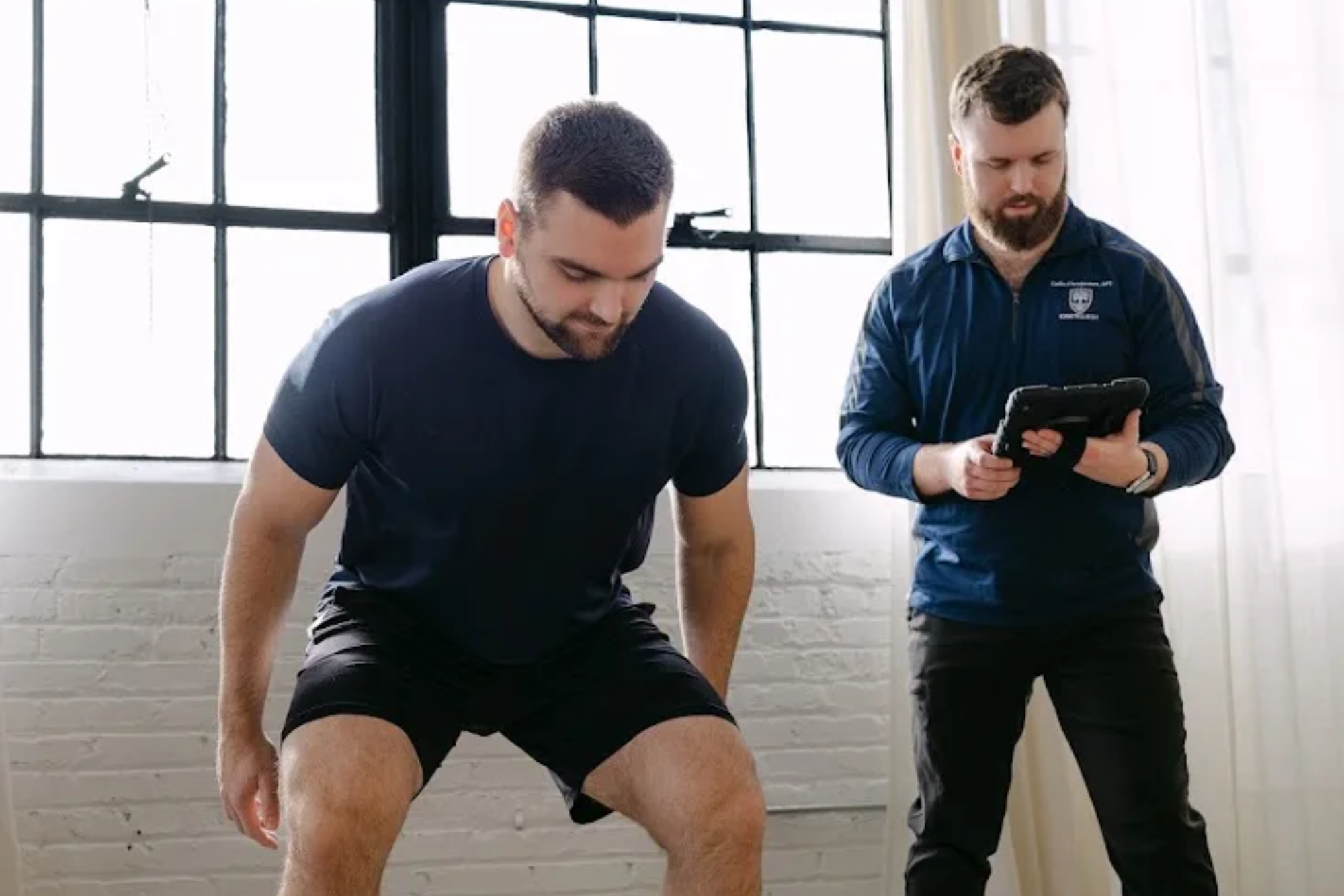
We calm the painful area, then build calf, hip and foot strength with drills that carry over to your run.
Step 03
Return + Optimize
We rebuild mileage and speed in stages and test your strength and hops before full training.
Where it hurts
The injuries Running & triathlon athletes bring us.
Each one has its own page with what’s going on, how we treat it and the drills that help.
Knee pain
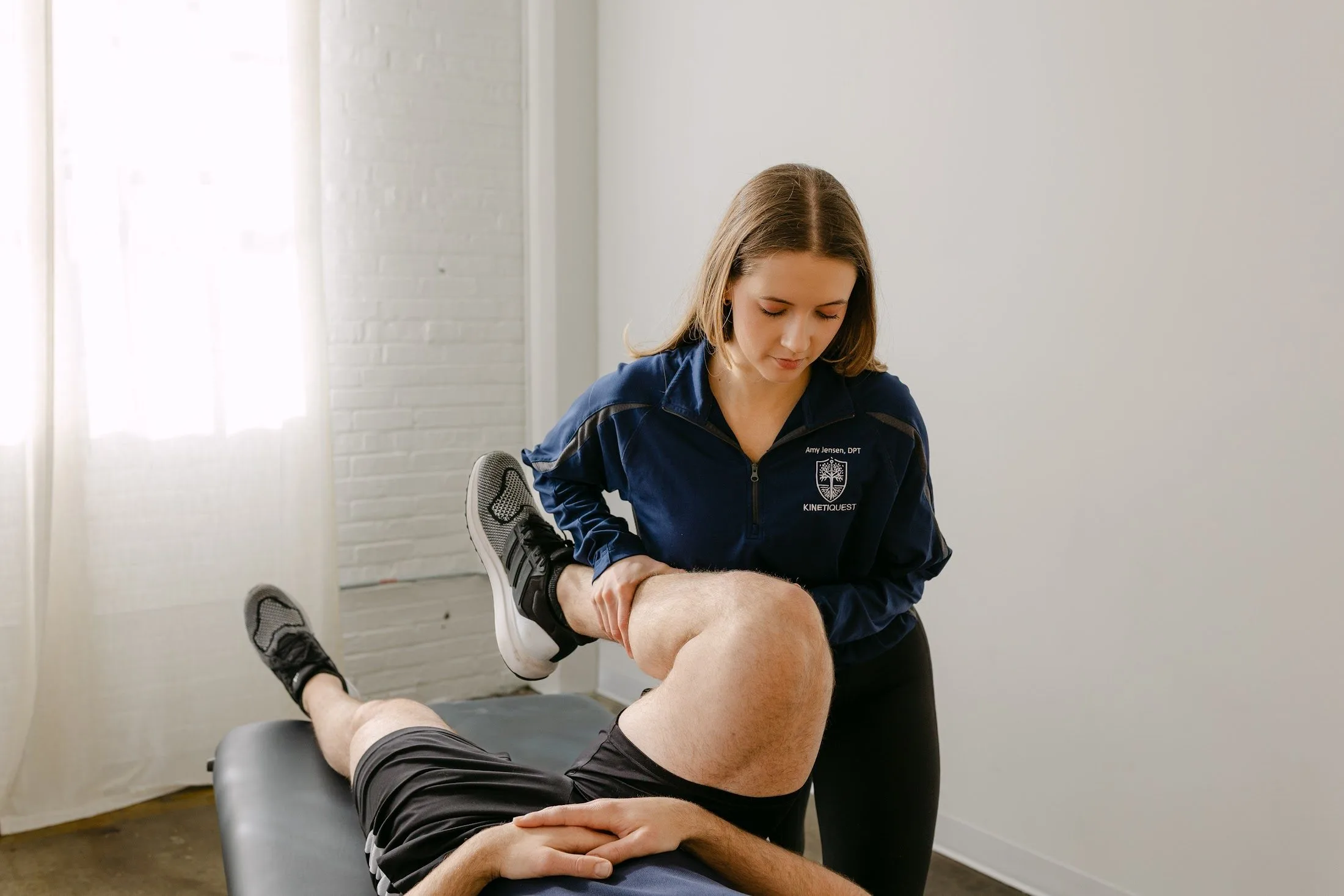
Runner’s knee, IT band pain and patellar tendon pain.
Foot & ankle pain
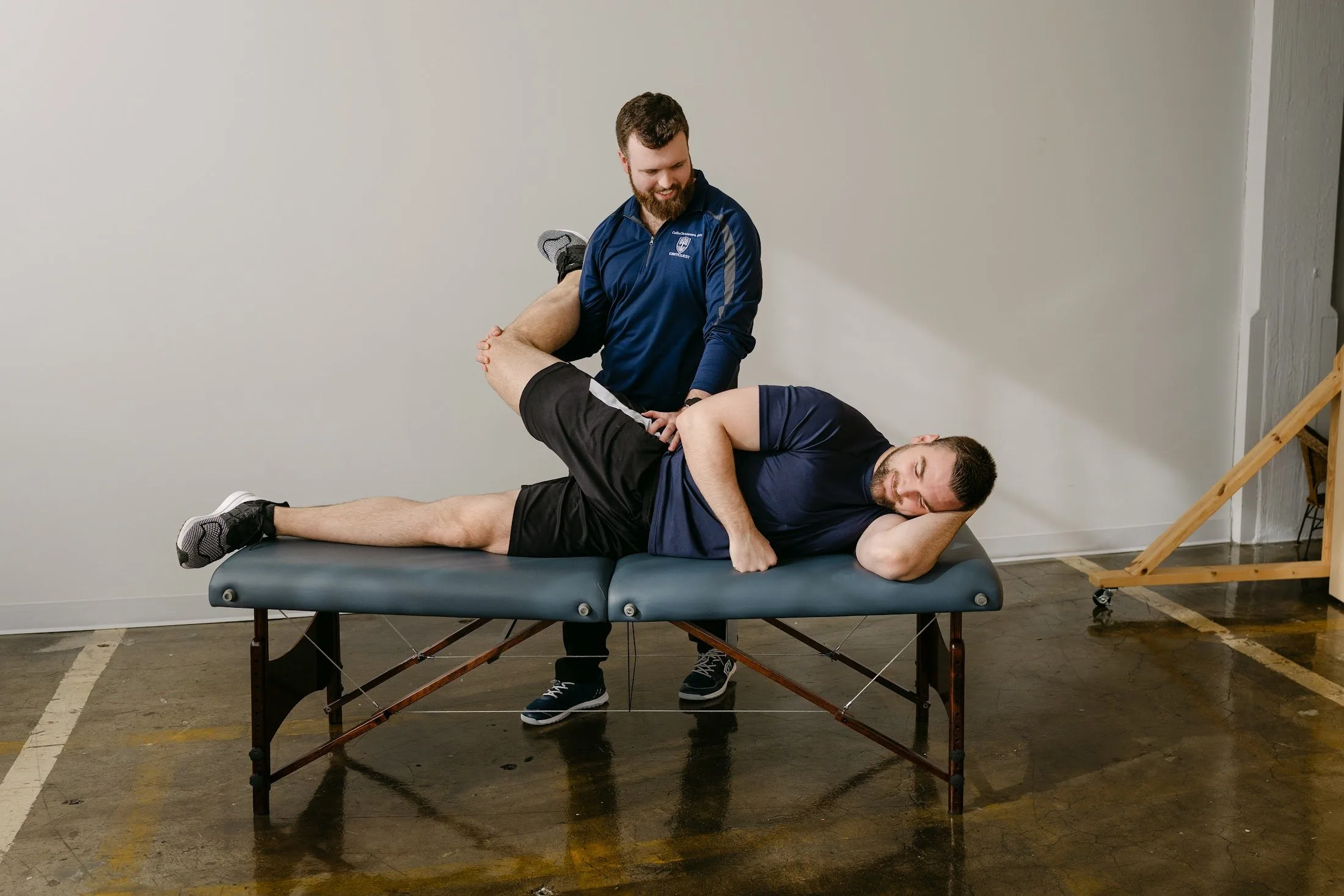
Hip & groin pain
Hip flexor, glute and hamstring pain.
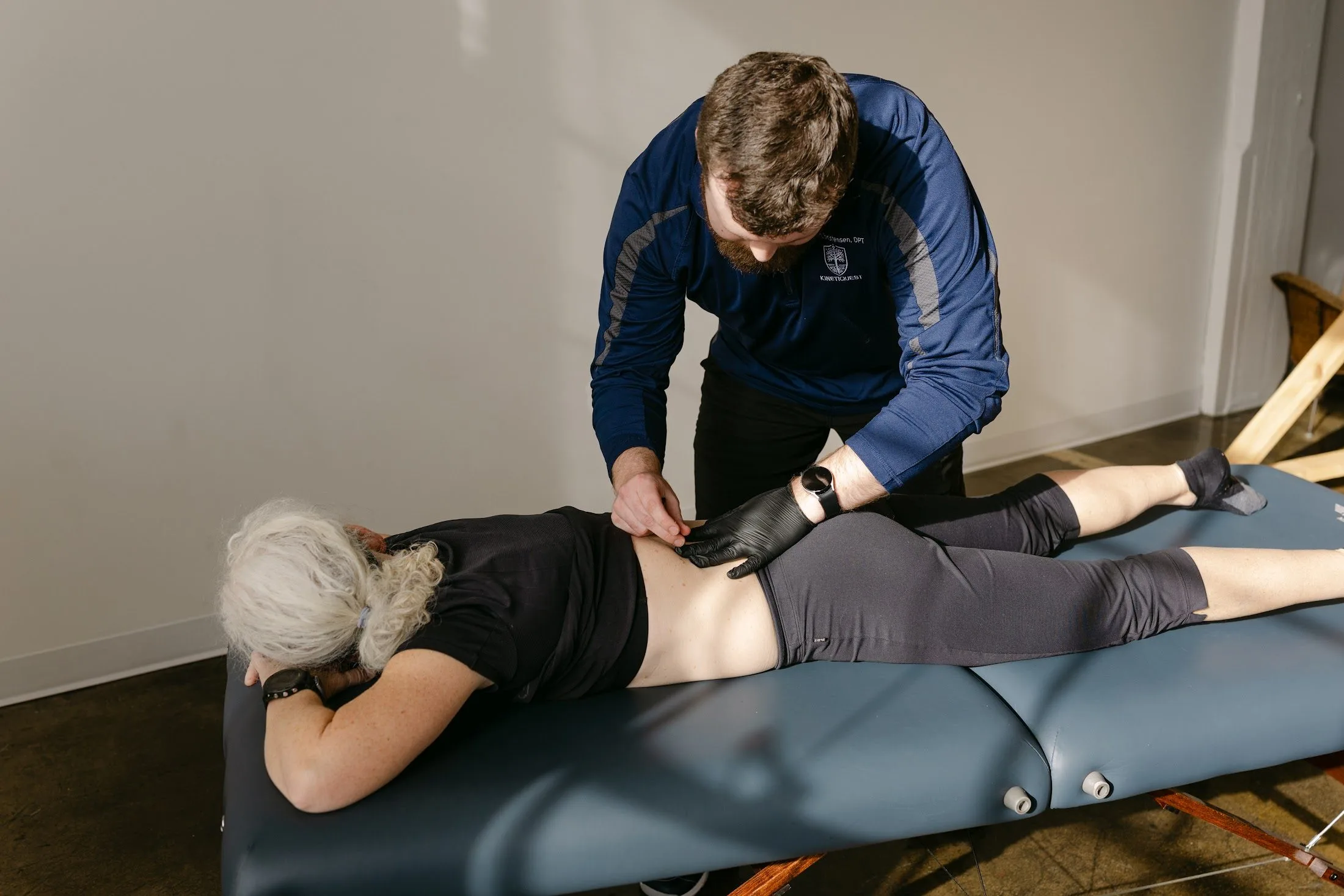
Back pain & sciatica
Low back pain on long runs and rides.
What to expect
How long will it take?
Most runners keep some running from the start. Your first visit ends with a clear diagnosis, a modified training plan and a realistic timeline to your goal race.
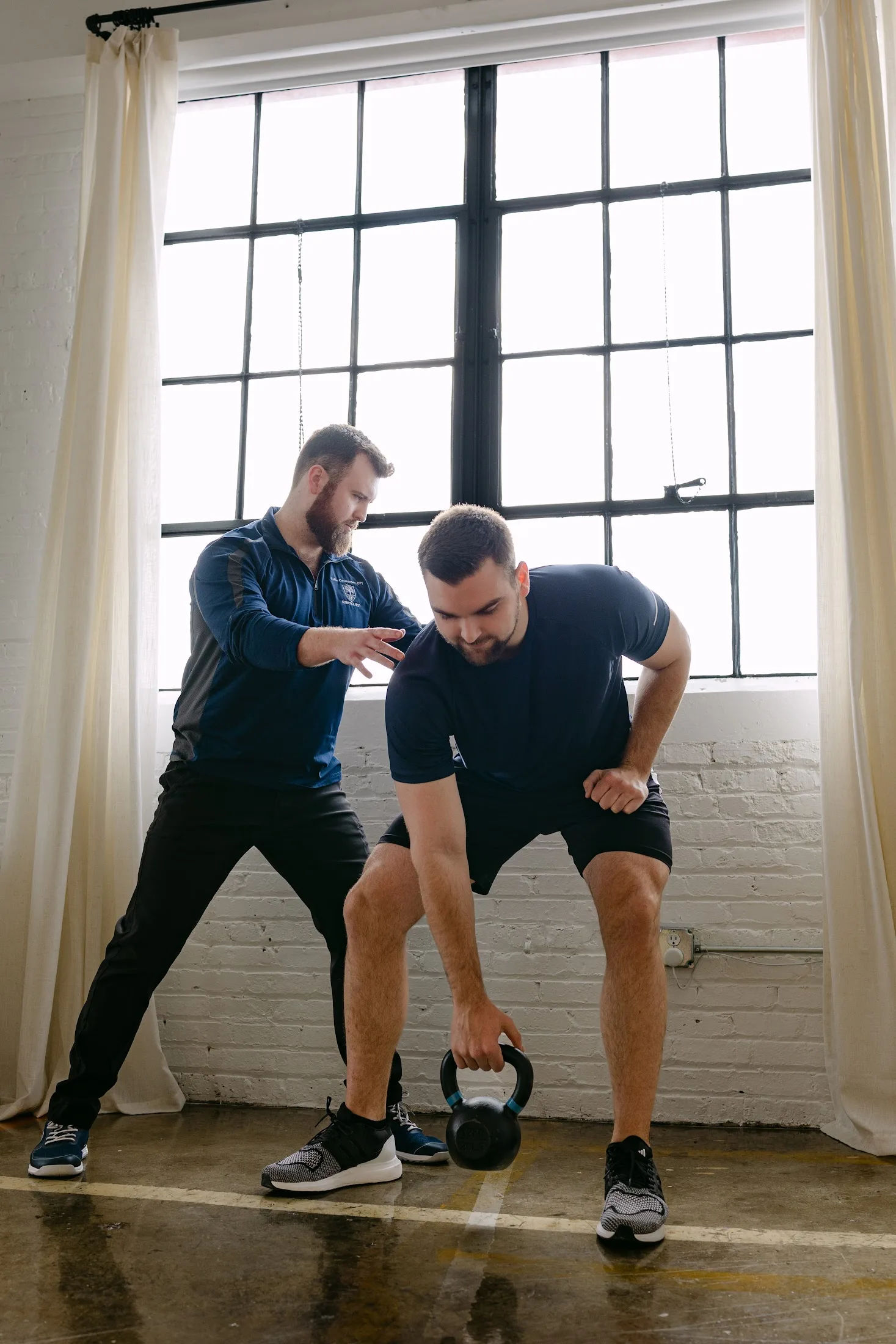
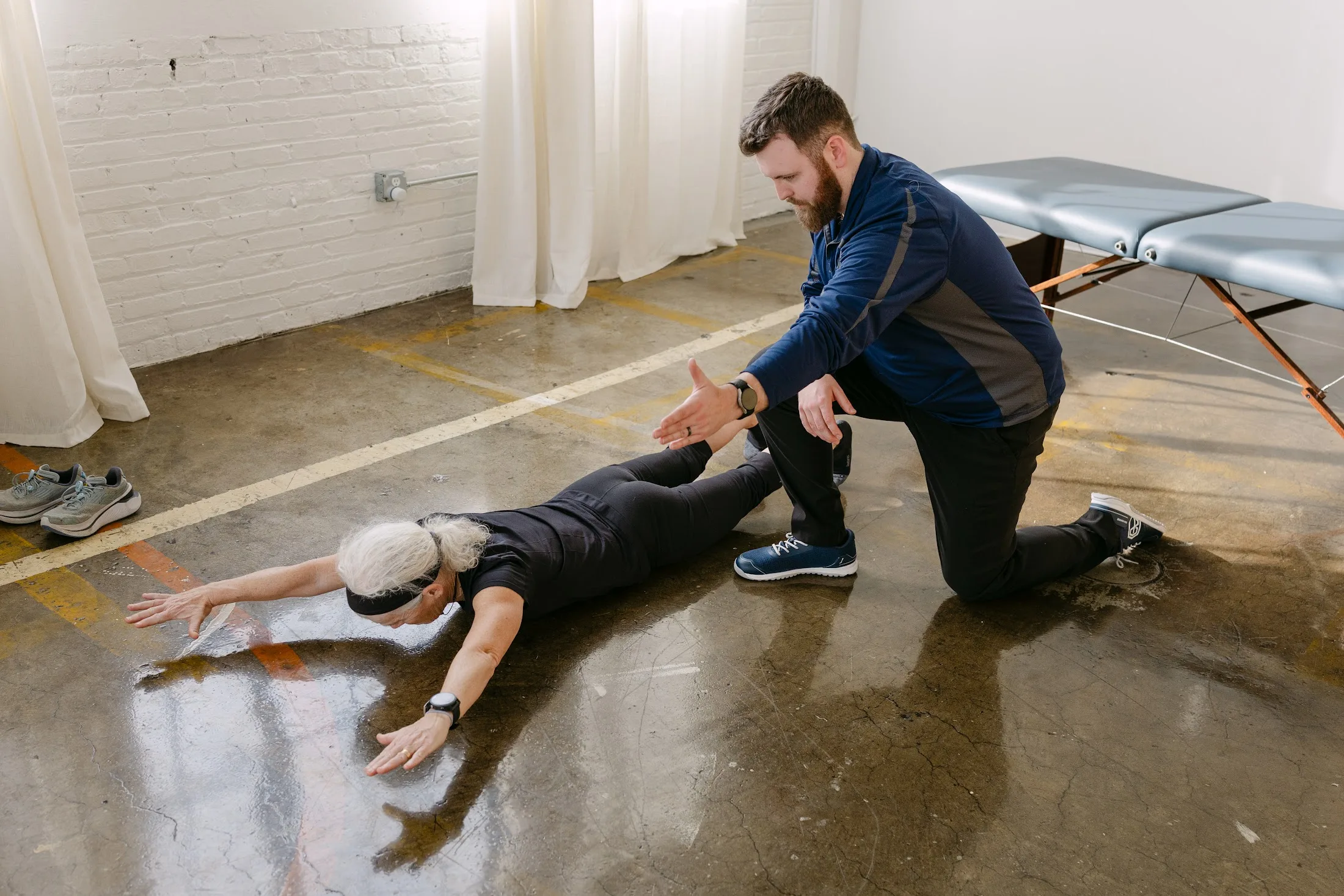
Every visit is one-on-one with your own Doctor of Physical Therapy, and your program lives on your phone between visits.
Who you’ll work with
A specialist who knows your sport.
Amy is a Return to Running and Runner’s Performance Specialist and a runner herself. Collin works with runners and triathletes too.
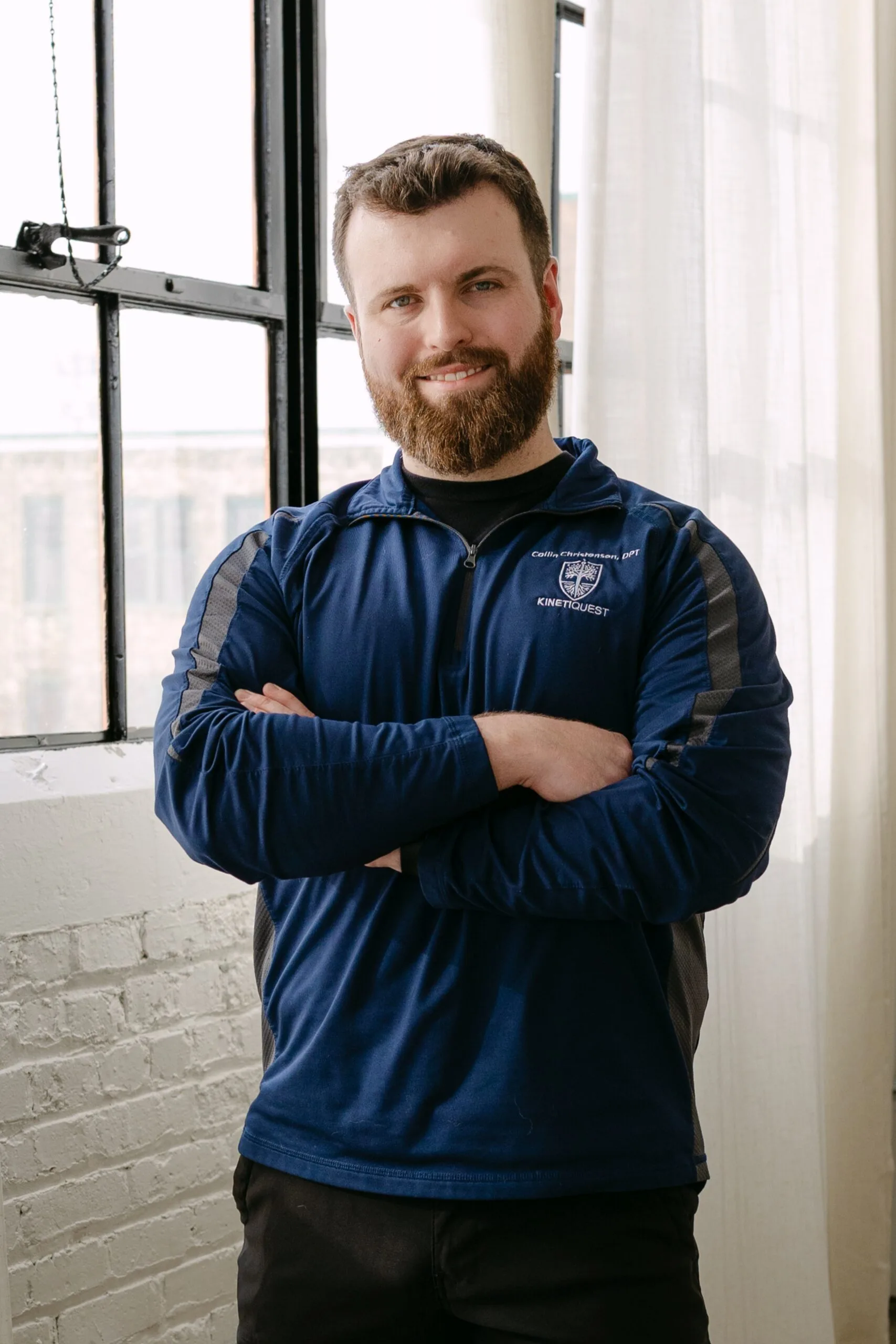
Dr. Collin Christensen

Dr. Amy Jensen
Both are residency-trained and board-certified in orthopaedics, a combination held by fewer than 2% of US physical therapists.
Free resources
Keep learning between visits.
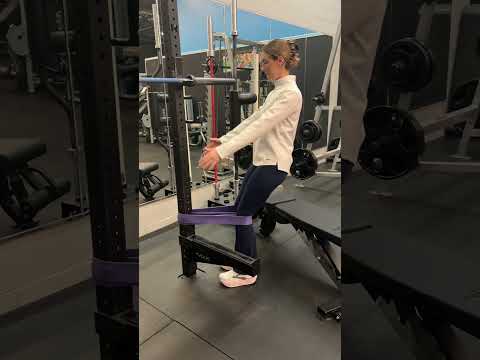
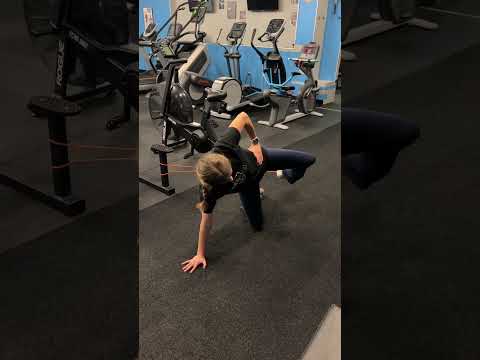
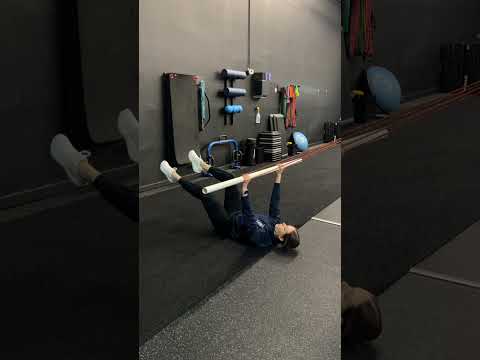
Clinic-filmed drills and gear our physical therapists actually use. Use them alongside your plan, not instead of one.
Athlete stories
Hear it from runners.
KinetiQuest clients share, in their own words, how they got back to the miles and kept training.
Steve
Master’s runner
Korey
Ironman athlete
Becca
Soccer and distance runner