Quick answer
What is blood flow restriction training?
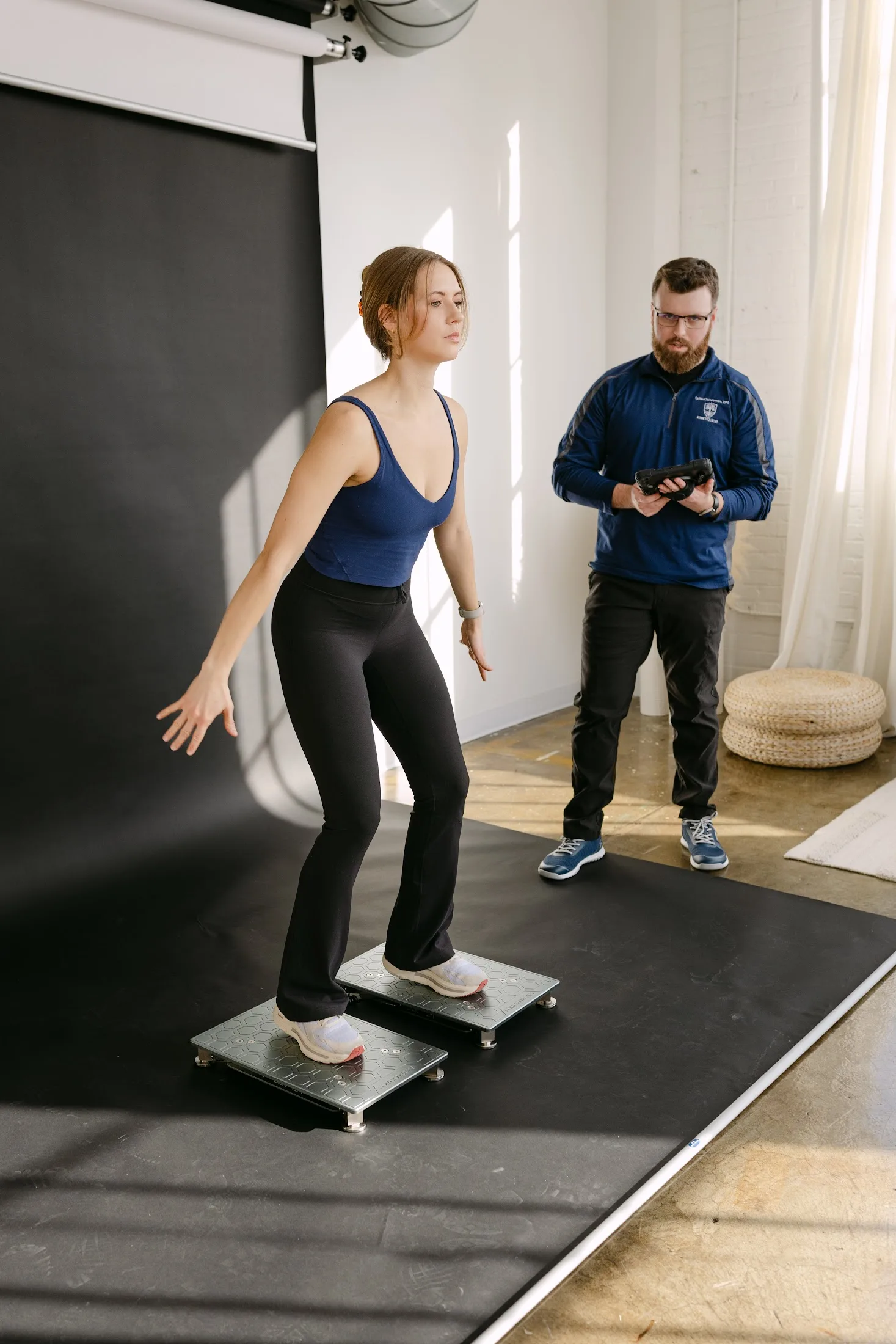
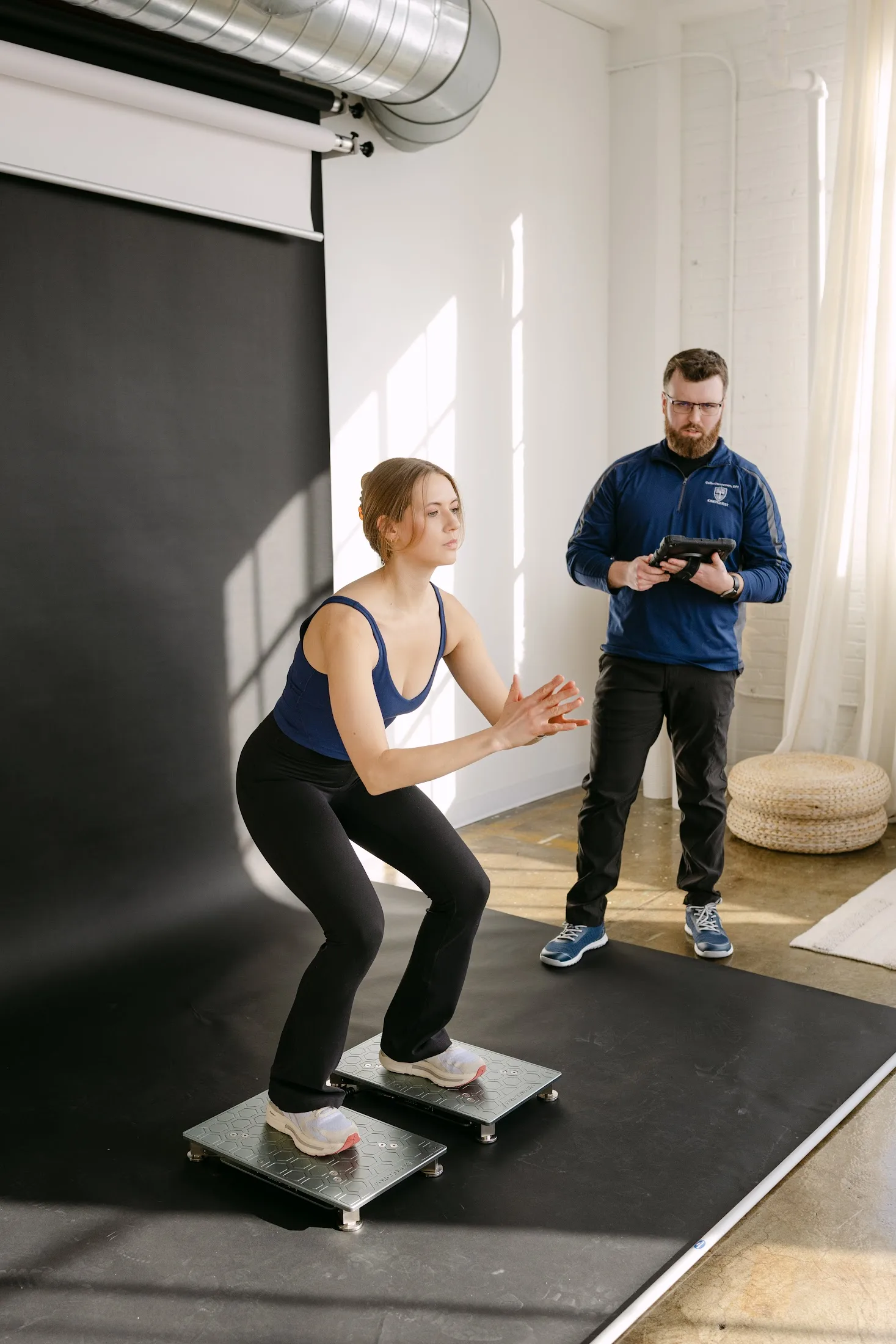
Blood flow restriction training uses a cuff on your upper arm or thigh to partially limit blood flow while you exercise with light weights.
That lets you build strength and muscle with a fraction of your usual load, which makes it useful after surgery, during an injury or any time heavy lifting would set you back.
What we treat
Is BFR training right for you?
If it limits your training, your work or your day, we can help. Common reasons people see us:
Sound familiar?
What we hear, and what we do about it.
You know your body and your sport. We listen first, then build the plan around what you want to get back to.
Common experience
“Will I have to stop lifting?”

The KinetiQuest way
No. BFR lets you keep building strength with light loads while the injured area calms down, so you lose less ground.
Common experience
“Isn’t restricting blood flow risky?”
The KinetiQuest way
We screen your health history first, set the cuff pressure for you and stay with you for every set.
Common experience
“Light weights never got me stronger.”
The KinetiQuest way
With the cuff on, light loads work your muscles much harder. You feel it fast, and the strength follows.
What’s actually going on
Pain is a signal. Not a sentence.
A few things most people are never told about blood flow restriction training:
01 Light loads, real strength.
Research shows BFR with light weights can build strength and muscle size, even when heavy lifting isn’t possible yet.
02 It’s set for you.
We set the cuff pressure for your arm or leg instead of guessing, so every set is safe and effective.
03 It's one tool of many.
We use BFR when it helps your goal, alongside your regular strength work, not in place of it.
How we treat it
Three steps. Always know where you are.
One board-certified specialist guides you from your first visit to your last. It isn’t easy, but it is simple.
Step 01
Evaluate
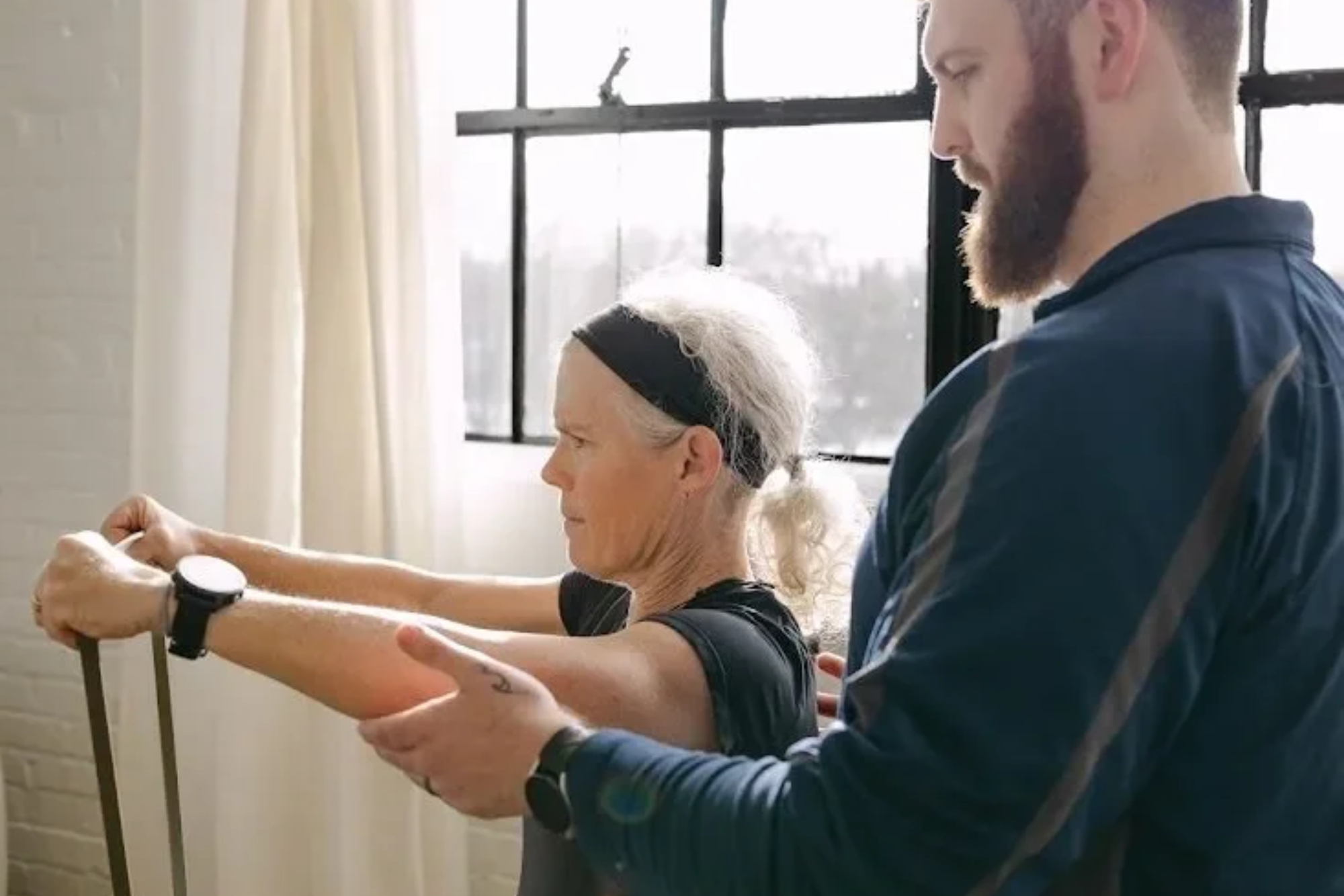
We assess how you move, review your health history and decide if BFR fits your goal.
Step 02
Program
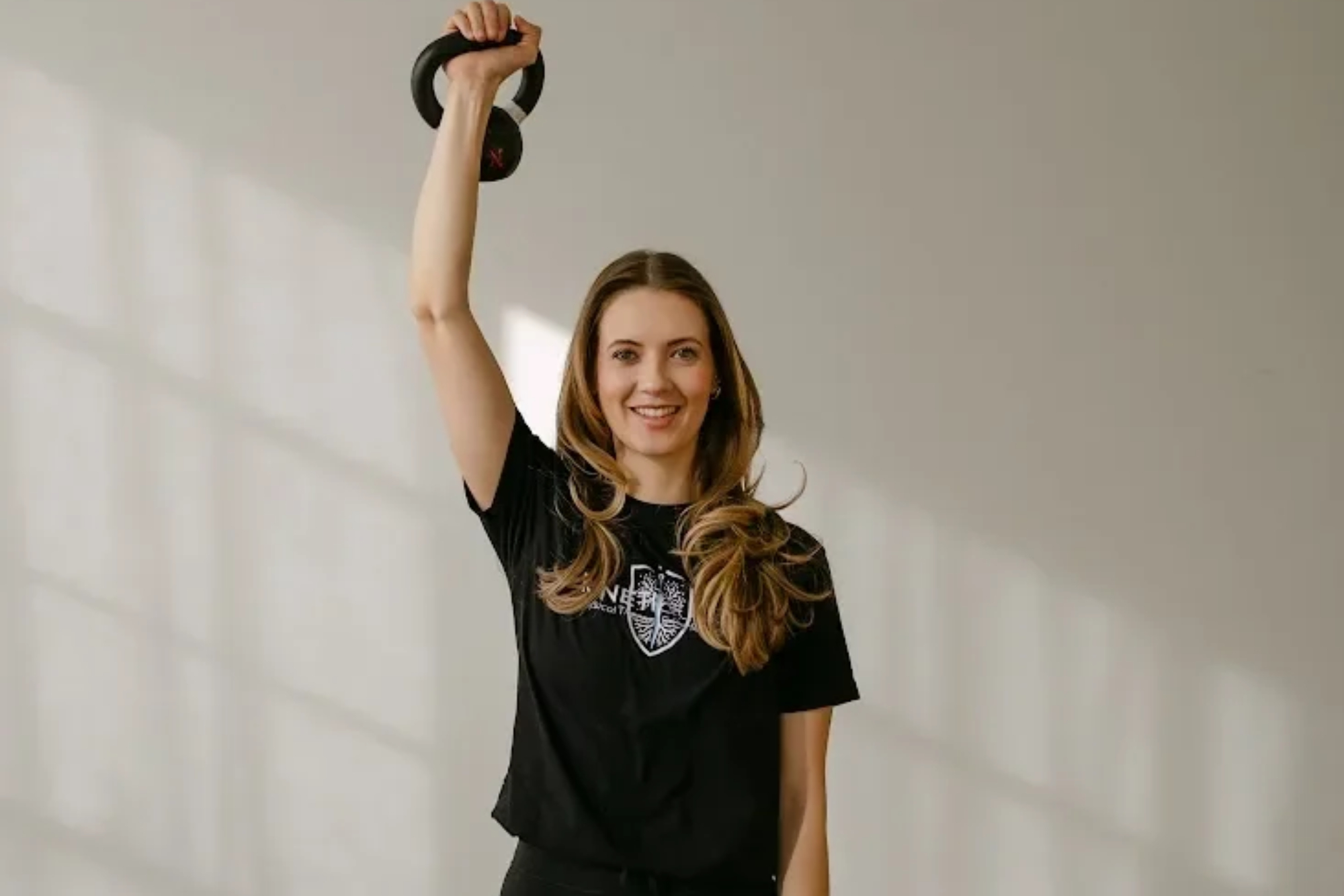
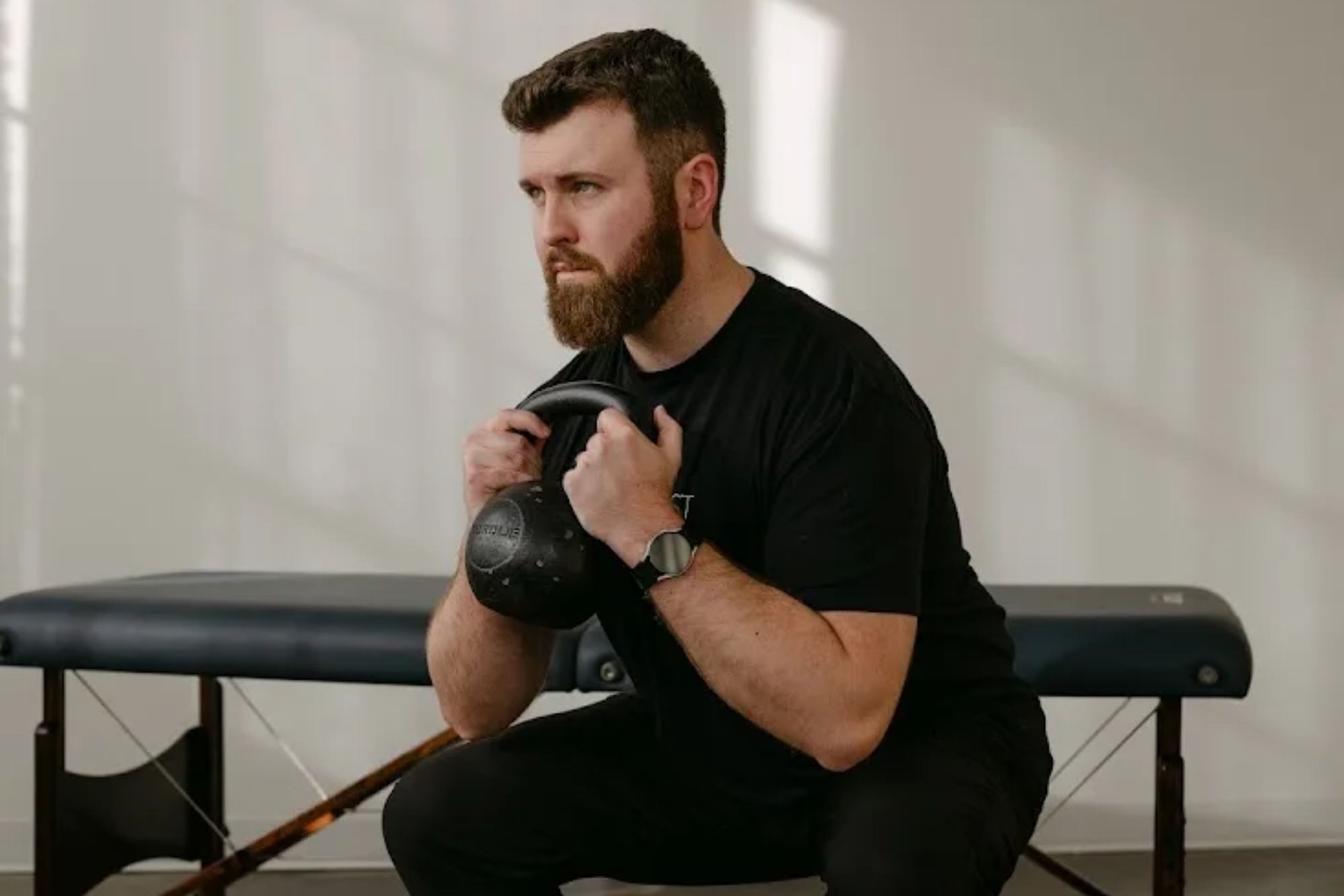
We fit the cuff, set your pressure and coach you through short, light sets that work your muscles hard.
Step 03
Return + Optimize
As you get stronger, we phase out the cuff and build up to the loads your training or sport demands.
Keep training while you heal
Your rehab should match your training.
Each one has its own page with what’s going on, how we treat it and the drills that help.
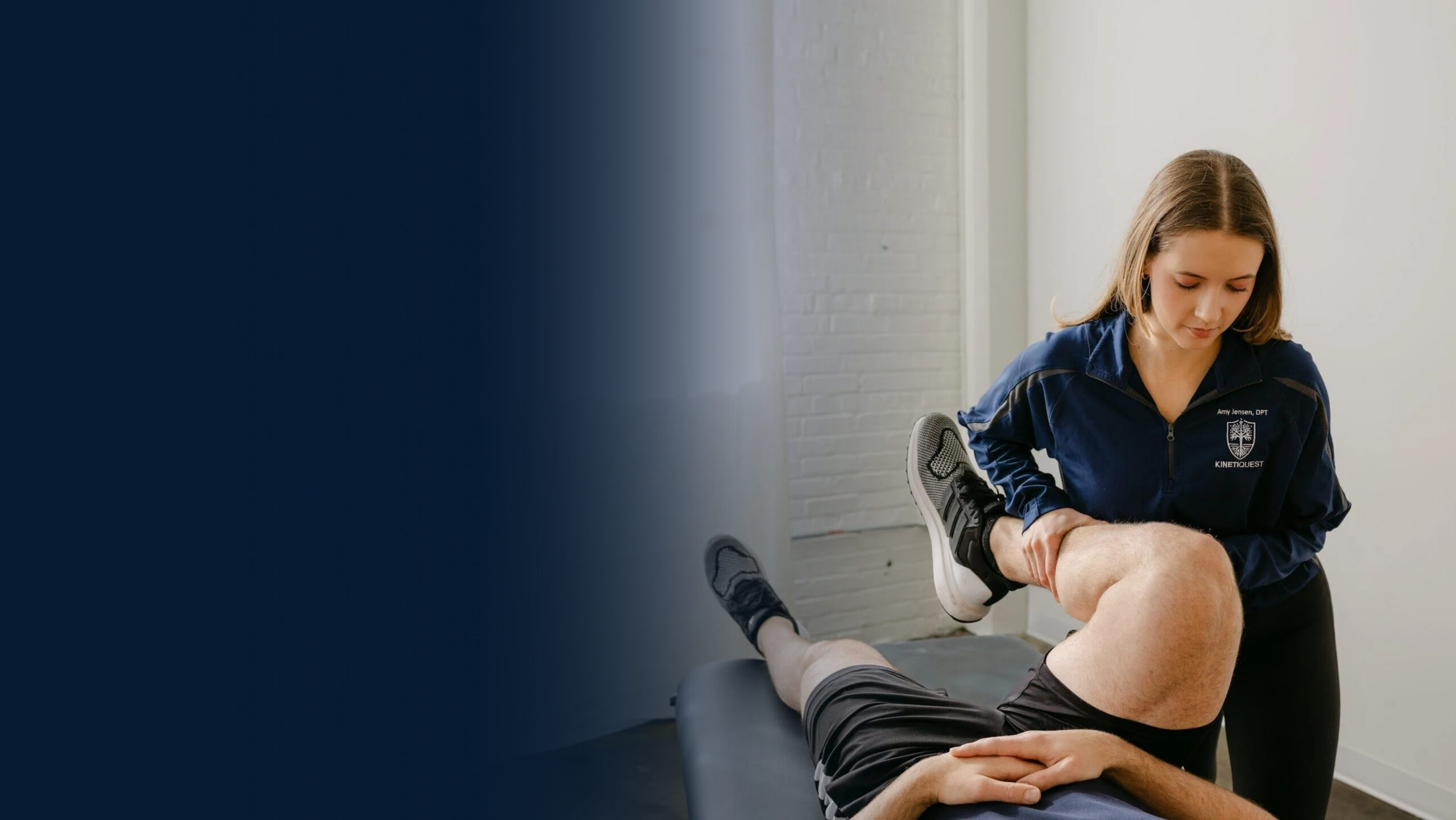
Knee pain
Squat, run and jump again.
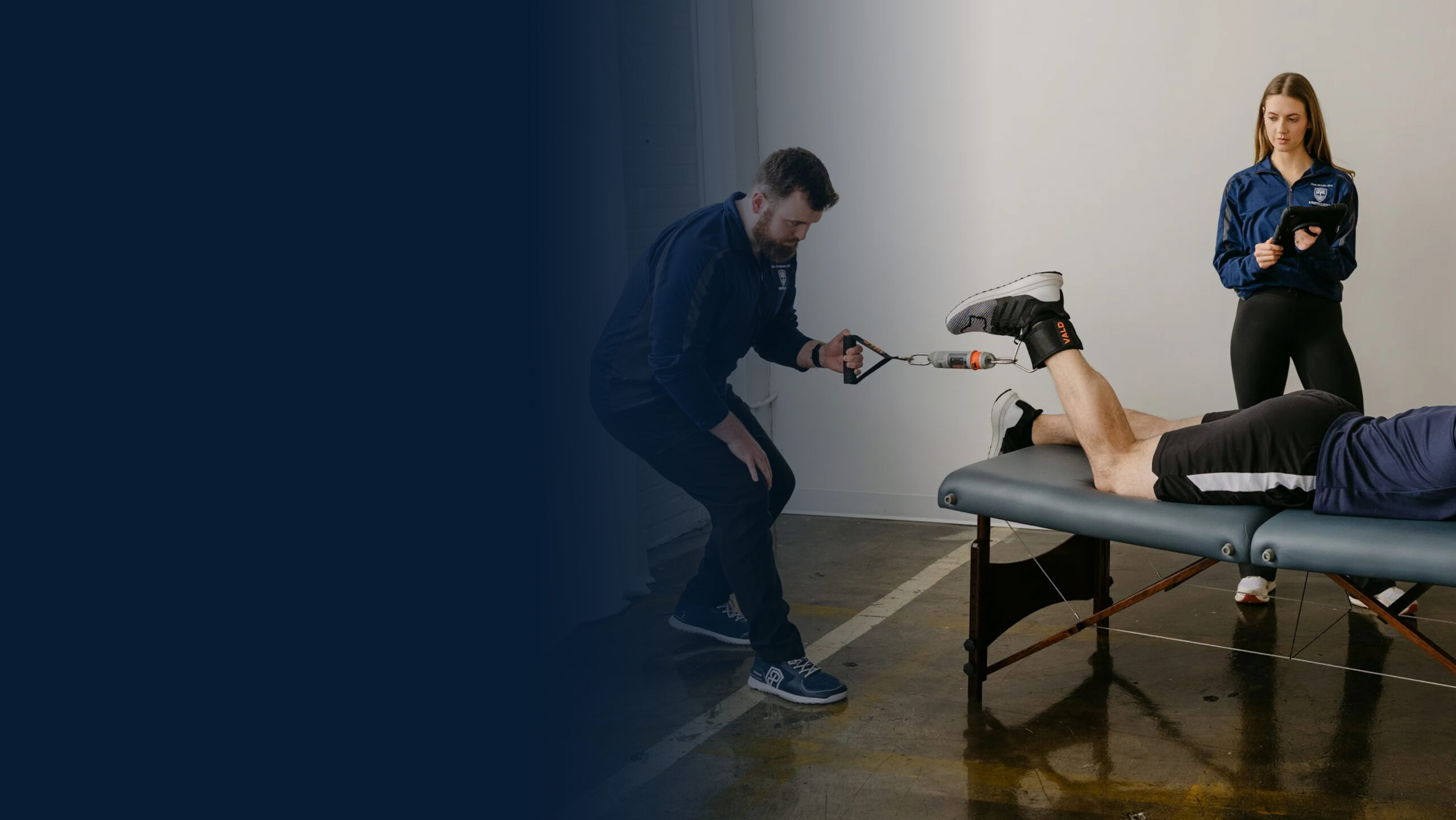
Post-op & return to sport
A staged plan back to full training.
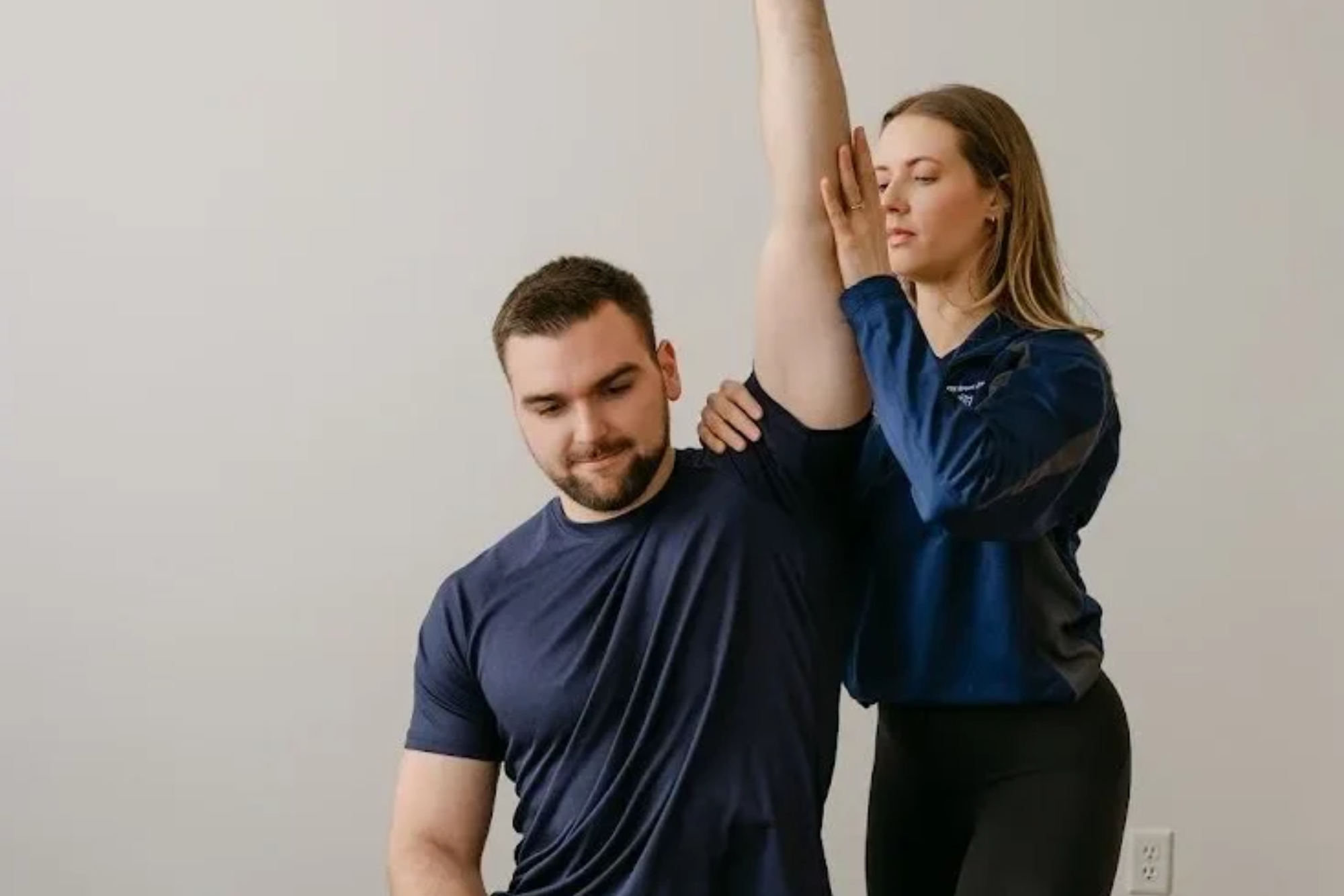
Shoulder pain
Rotator cuff and upper back pain.
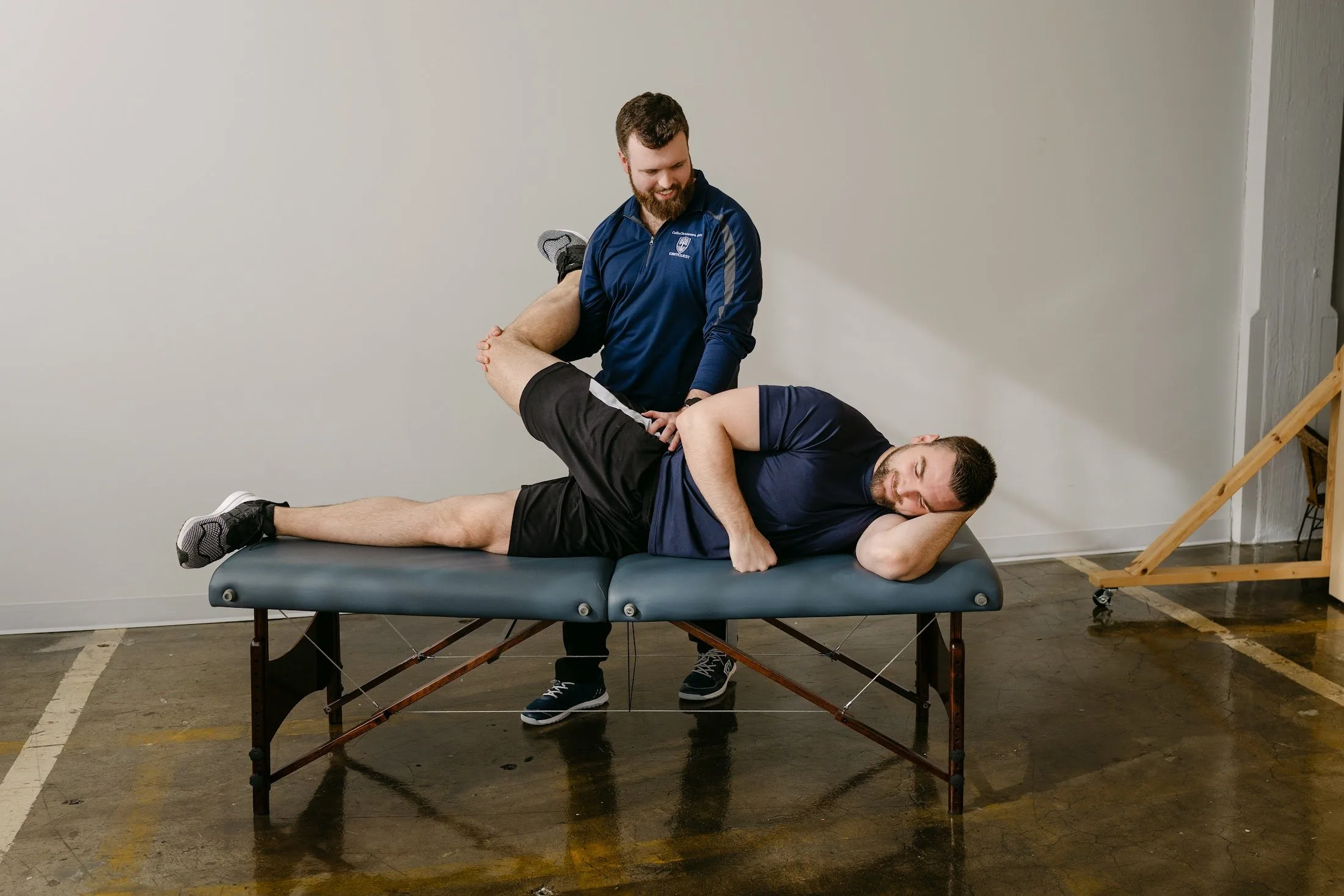
Hip & groin pain
Patient reviews
What Our Patients Say
Real words from the runners, lifters and athletes we have helped get back to training.


What to expect
What happens next?
Expect a strong muscle burn and pump during sets. It fades within minutes once the cuff comes off, and mild soreness the next day is normal.
Every visit is one-on-one with your own Doctor of Physical Therapy, and your program lives on your phone between visits.
Who you’ll work with
A specialist, every visit.
Both of our specialists are certified in blood flow restriction training and use it alongside hands-on care and strength work.
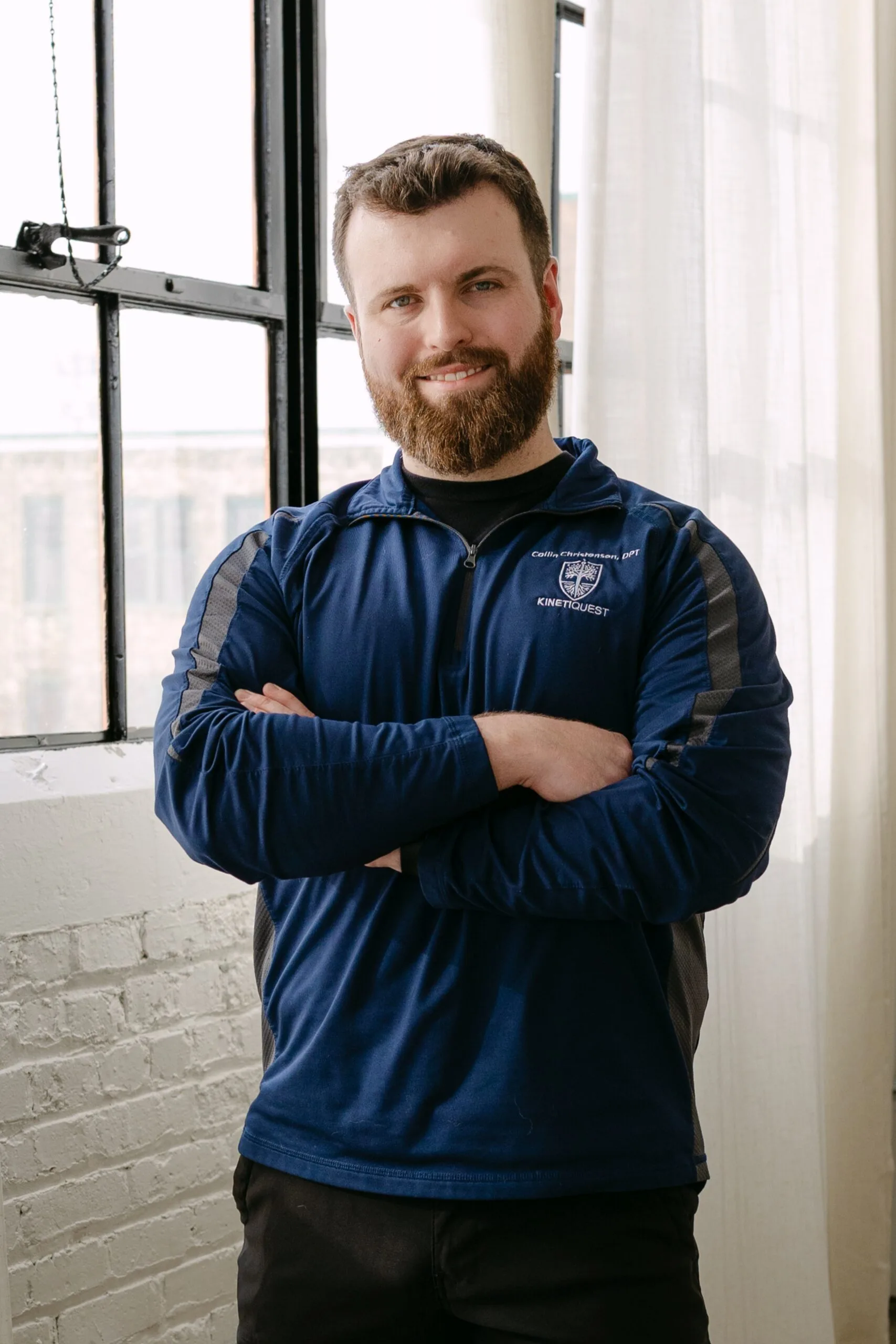
Dr. Collin Christensen

Dr. Amy Jensen
Both are residency-trained and board-certified in orthopaedics, a combination held by fewer than 2% of US physical therapists.
Free resources
Keep learning between visits.
Clinic-filmed drills and gear our physical therapists actually use. Use them alongside your plan, not instead of one.