Quick answer
How do grapplers come back from injuries without losing mat time?
By modifying, not stopping. Most jiu jitsu and martial arts injuries respond well to targeted strength work while you keep drilling, flowing and training around the problem.
We understand guard, takedowns and scrambles, so your plan builds the positions and strength your sport actually asks for.
What we see
Common BJJ & martial arts injuries we treat
If it limits your training or competing, we can help. Common reasons athletes see us:
Sound familiar?
What we hear, and what we do about it.
You know your body and your sport. We listen first, then build the plan around what you want to get back to.
Common experience
“My neck hurts after every hard roll.”

The KinetiQuest way
We find what’s being overloaded, strengthen your neck and upper back, and adjust your positions while it calms down.
Common experience
“I tapped late and my shoulder hasn’t been right.”
The KinetiQuest way
We test your shoulder thoroughly, then rebuild strength and control so you can post and frame again.
Common experience
“I don’t want to lose my spot in the room.”
The KinetiQuest way
You keep training. We tell you exactly what to drill, what to avoid and when to add live rolling back.
What’s actually going on
Built for athletes who aren't done yet.
Generic rehab gets you out of pain. We get you back to bjj & martial arts. A few things most athletes are never told:
01 Grappling loads joints at end range.
Strength in those end positions protects your neck, shoulders and knees far better than flexibility alone.
02 Drilling can keep you sharp.
Flow rolling and technical drilling keep your skills and conditioning going while the injury heals.
03 Tapping late isn't the only cause.
Accumulated load from hard rounds and competition prep sets up most mat injuries.
How we help
Three steps. Always know where you are.
One board-certified specialist guides you from your first visit to your last. It isn’t easy, but it is simple.
Step 01
Evaluate
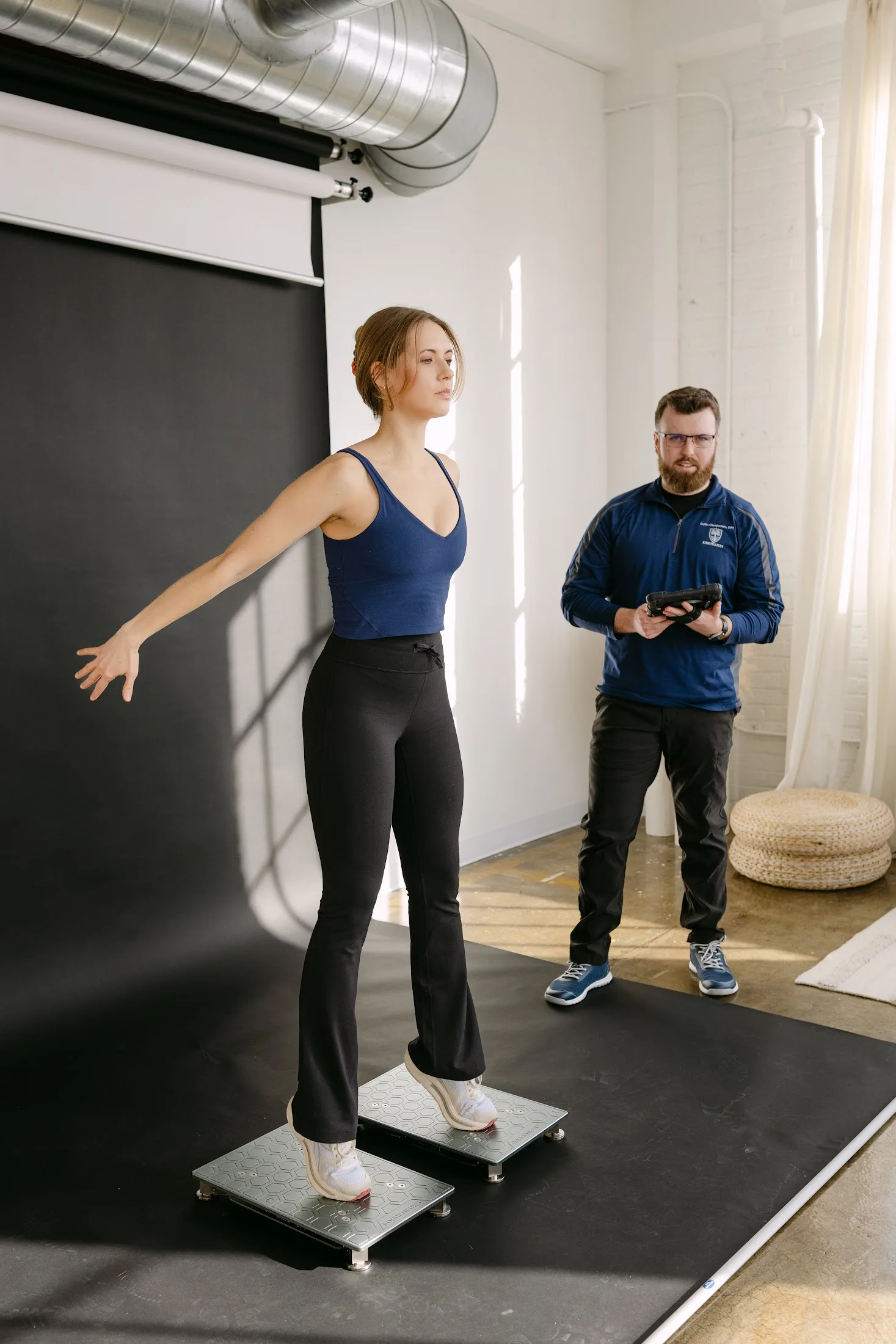
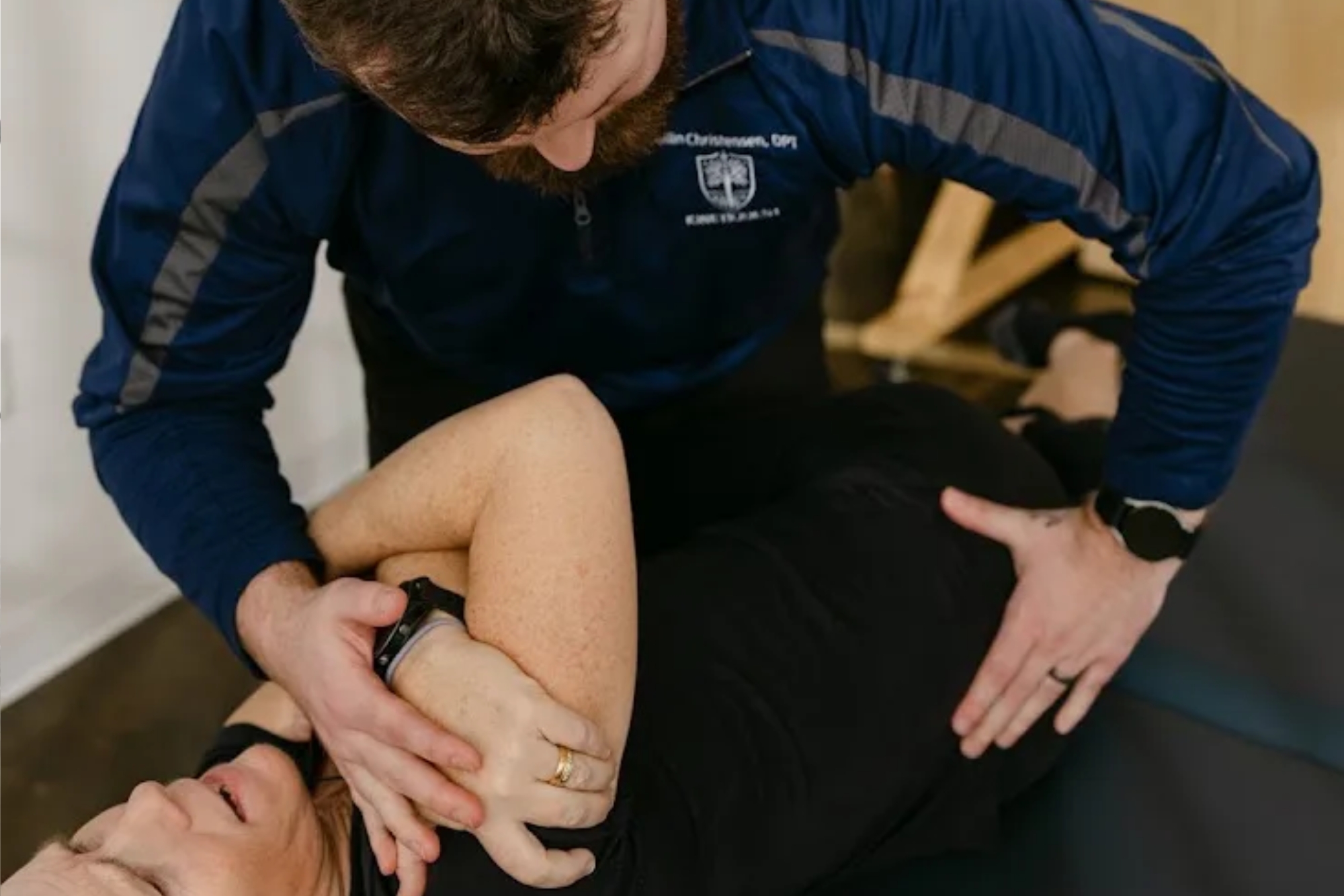
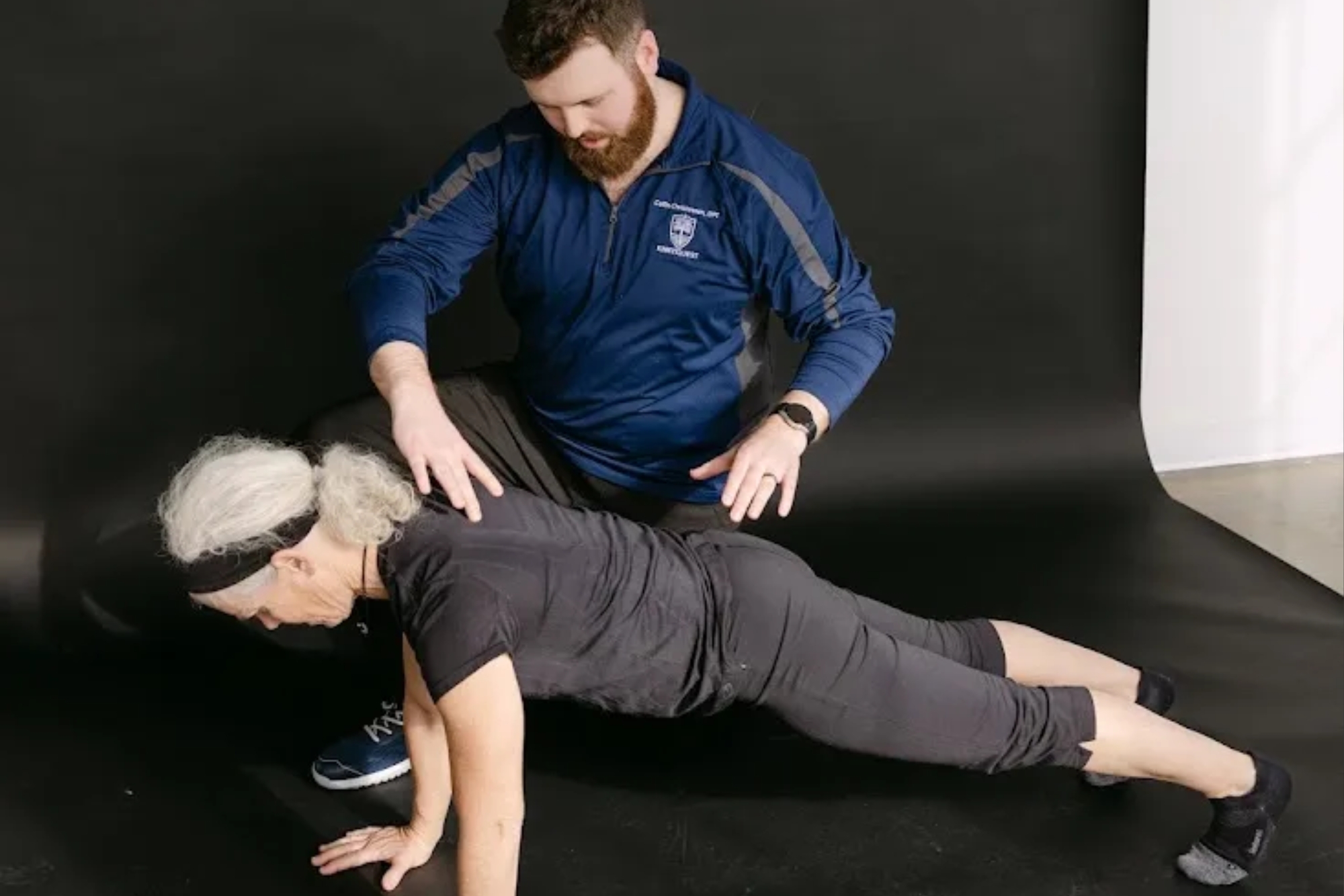
We assess your neck, shoulders, hips and knees in the positions you train, including end-range strength.
Step 02
Program
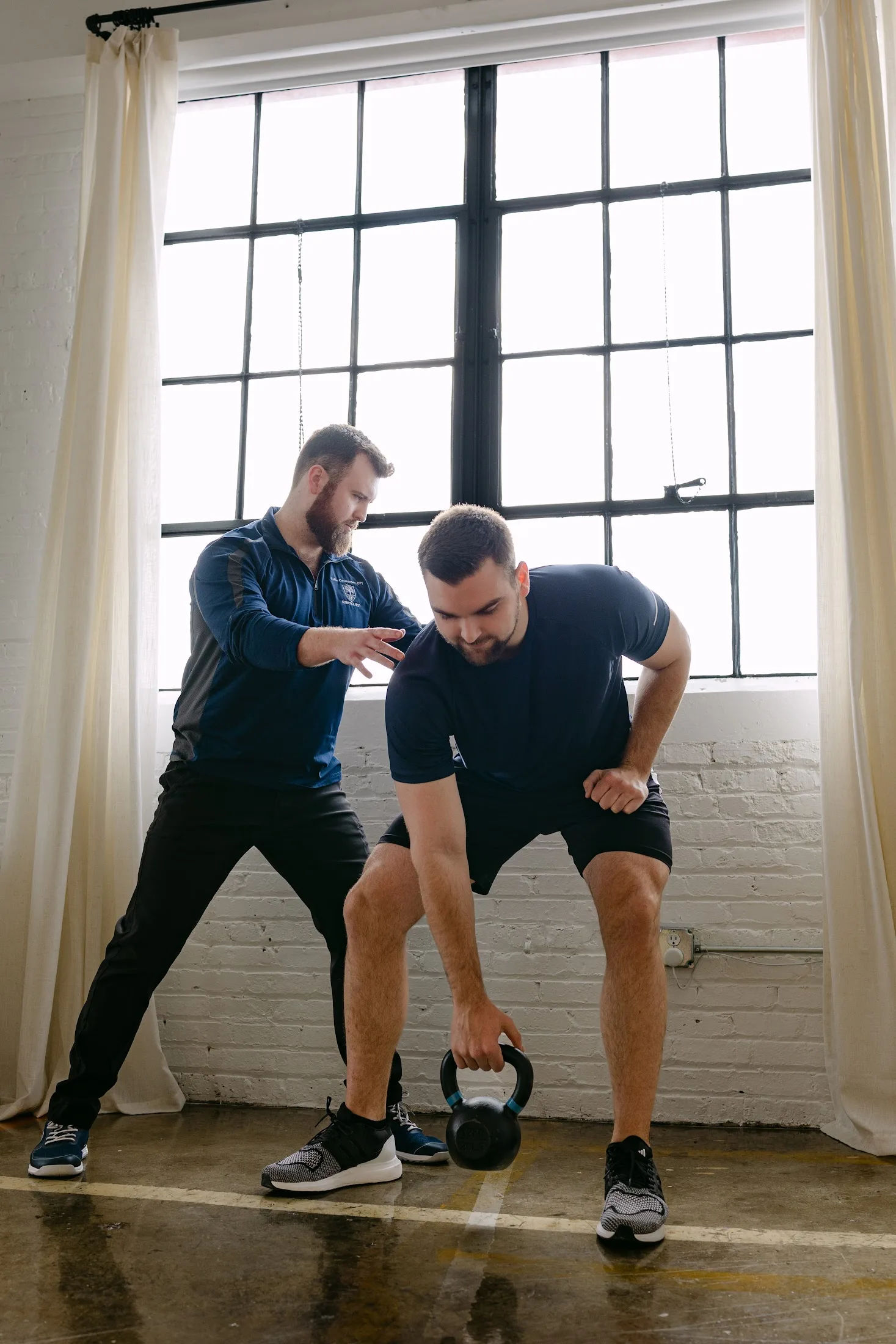
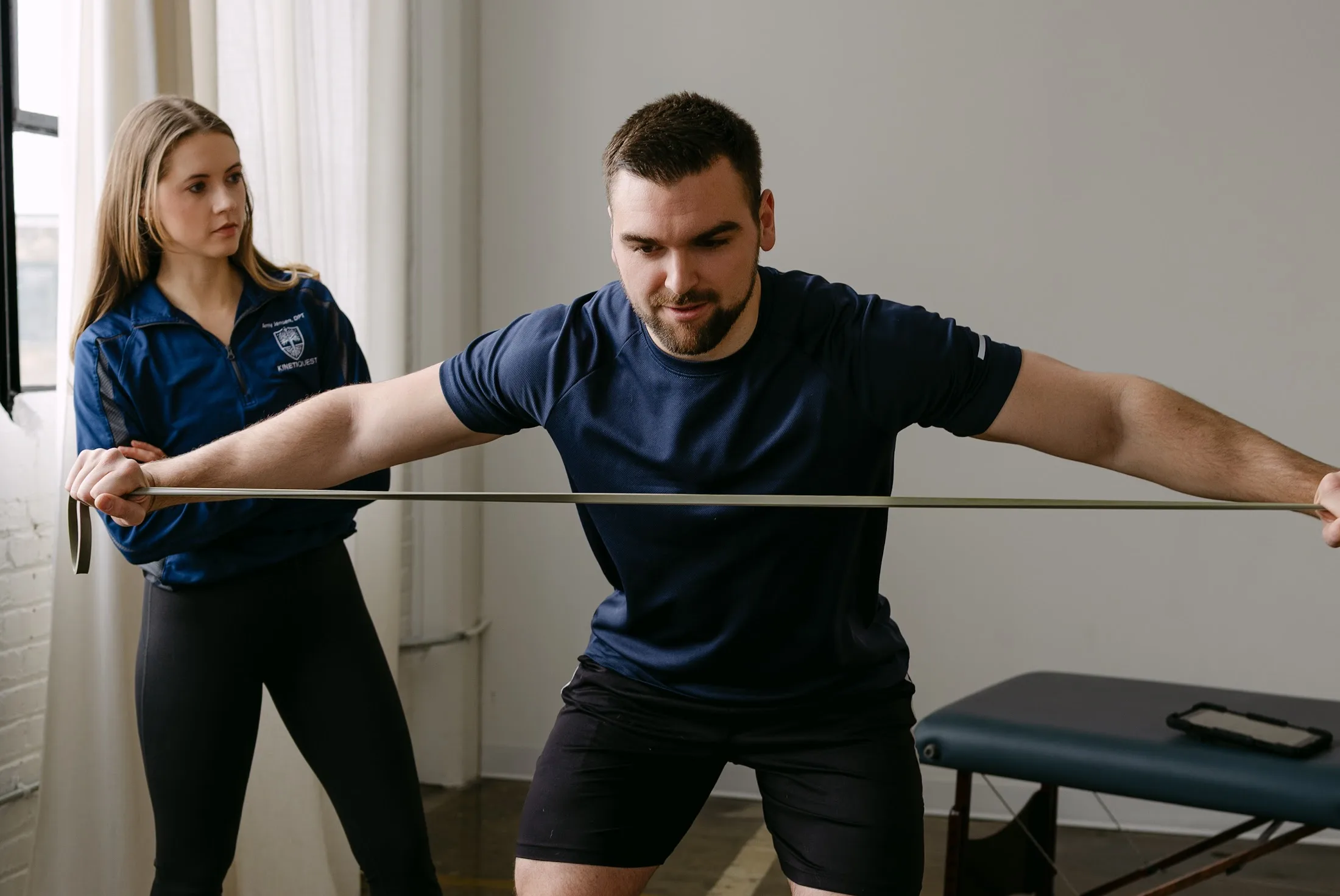
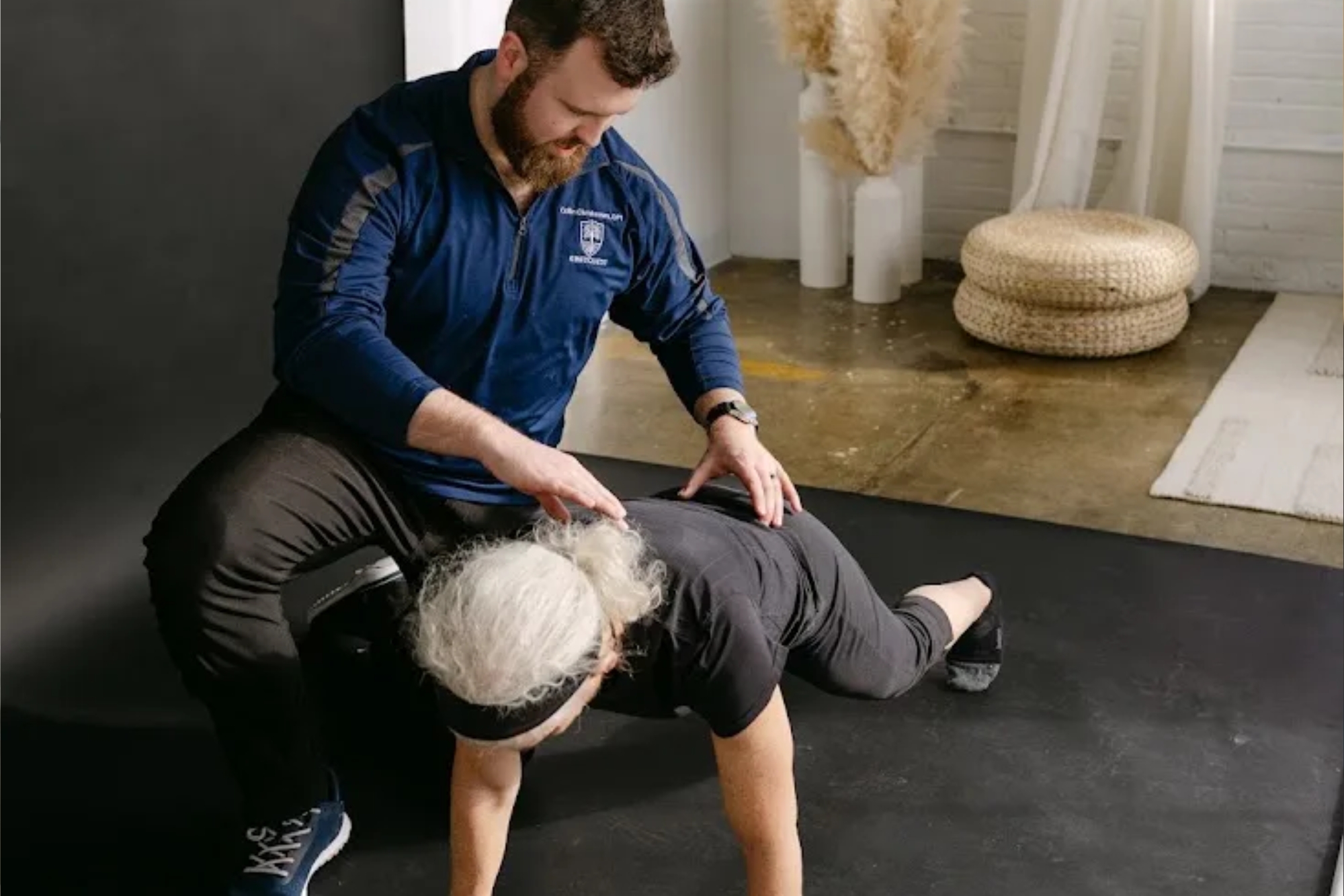
Hands-on care calms the injury, then we build strength and control for framing, posting and guard work.
Step 03
Return + Optimize
We add back drilling, positional rounds and live rolling in stages before you compete again.
Where it hurts
The injuries BJJ & martial arts athletes bring us.
Each one has its own page with what’s going on, how we treat it and the drills that help.
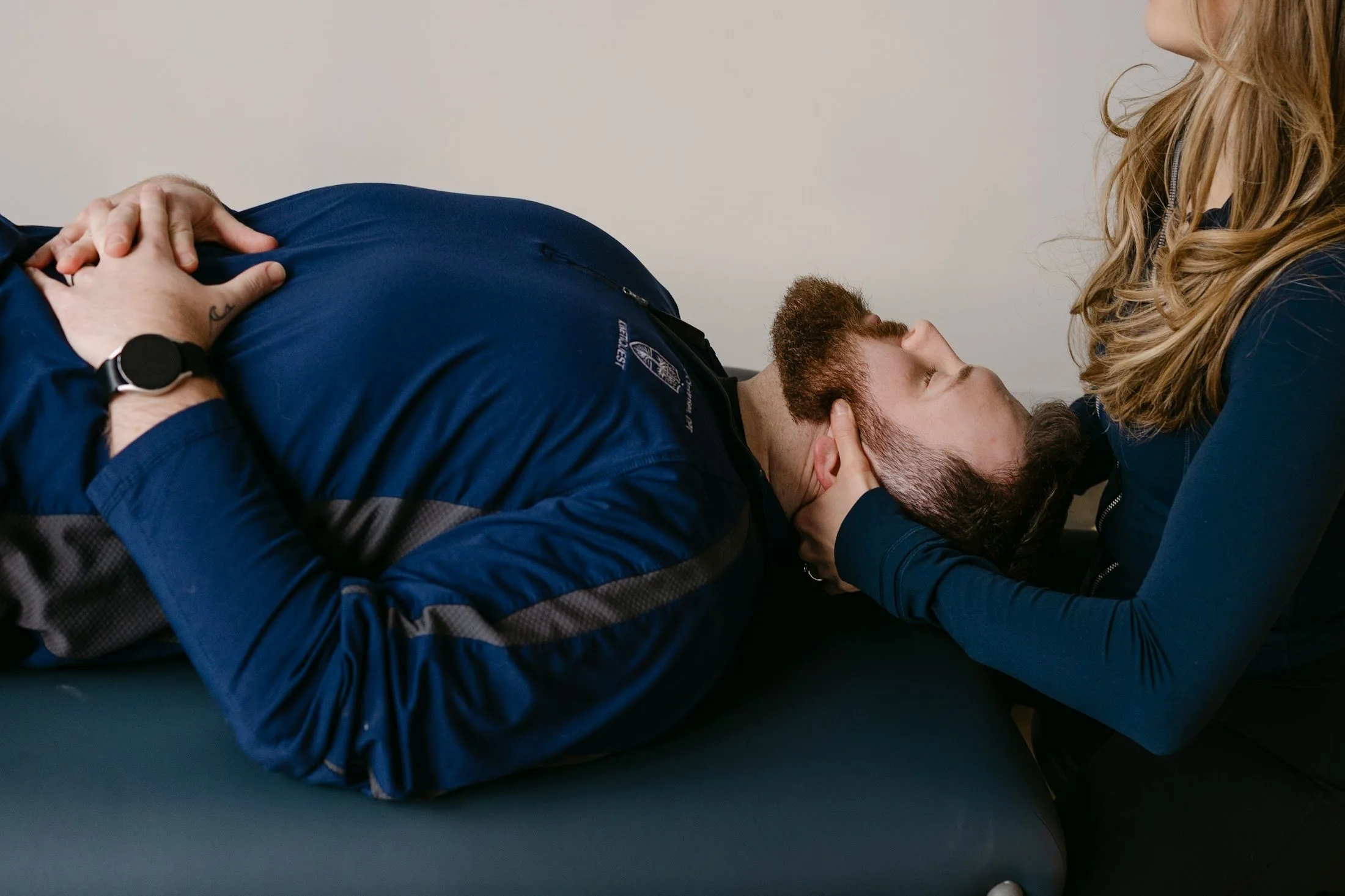
Neck pain & headaches
Neck pain from stacking, framing and getting crushed.
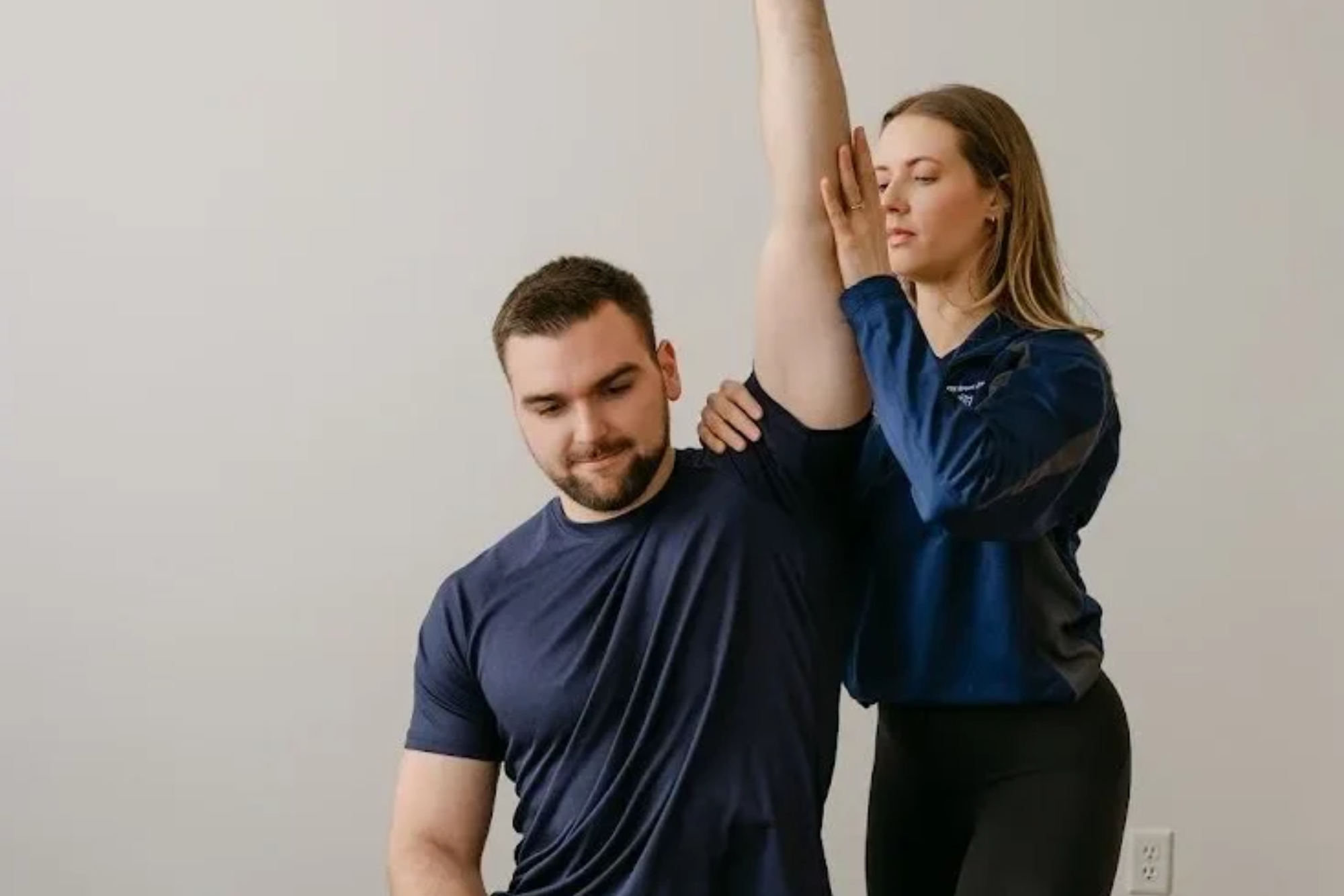
Shoulder pain
Shoulder pain from submissions, posts and takedowns.
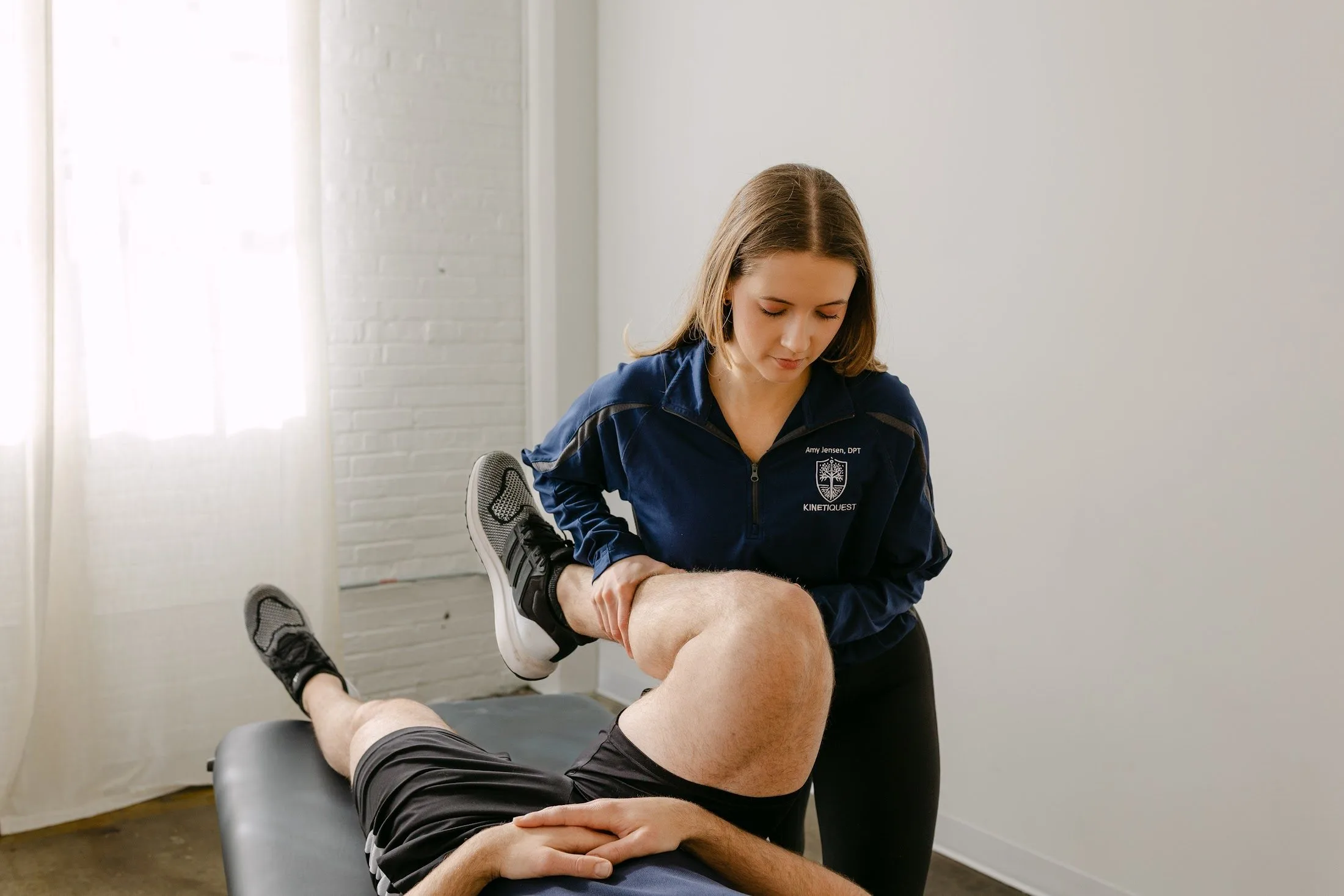
Knee pain
Knee pain from guard work, leg locks and takedowns.
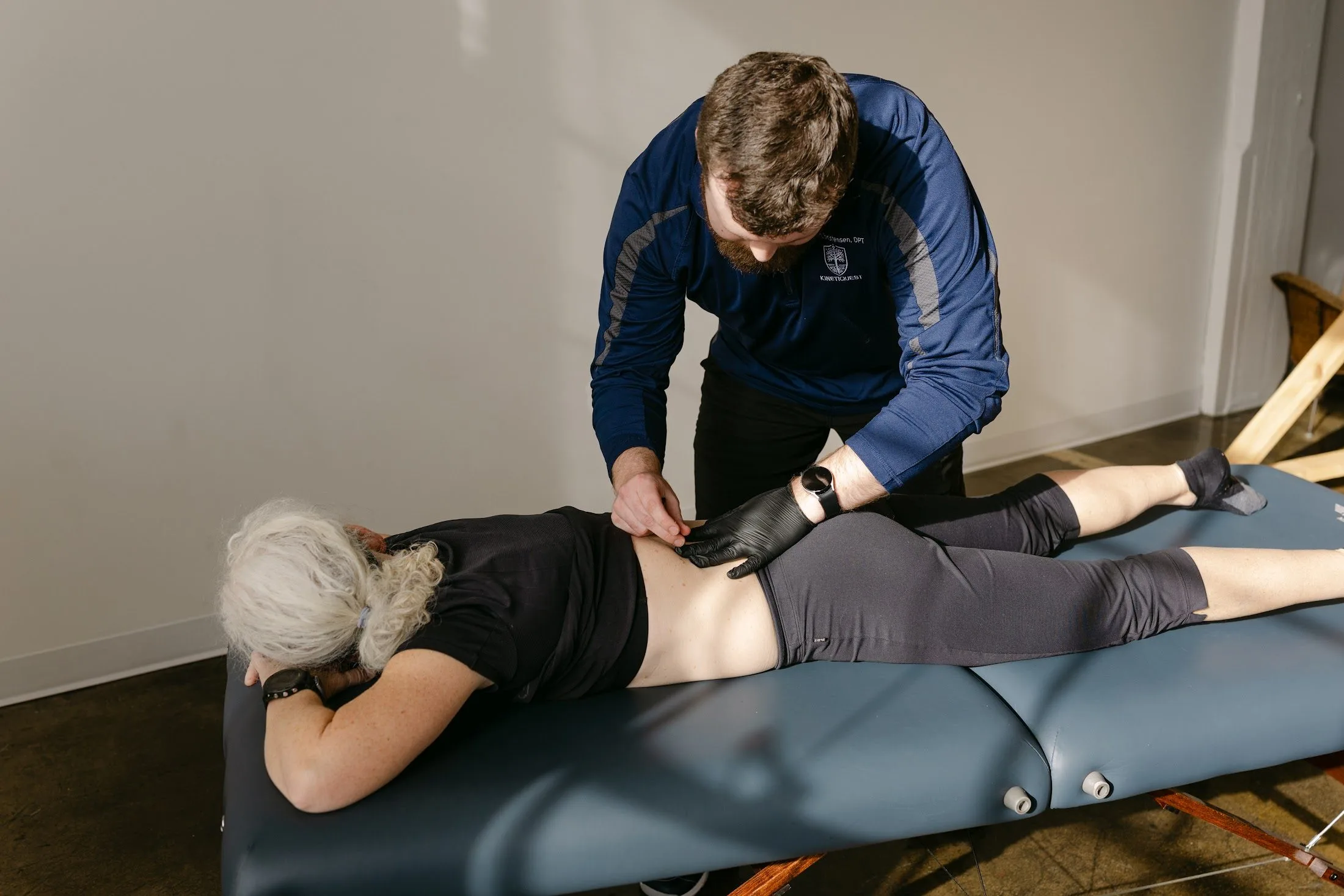
Back pain & sciatica
Low back pain from bridging and scrambles.
What to expect
How long will it take?
Most athletes keep drilling from the first week. Your first visit ends with a clear diagnosis, a training plan for the mats and a realistic timeline back to live rounds.
Every visit is one-on-one with your own Doctor of Physical Therapy, and your program lives on your phone between visits.
Who you’ll work with
A specialist who knows your sport.
Collin works with grapplers and martial artists and has special training in concussion, neck and nerve injuries.
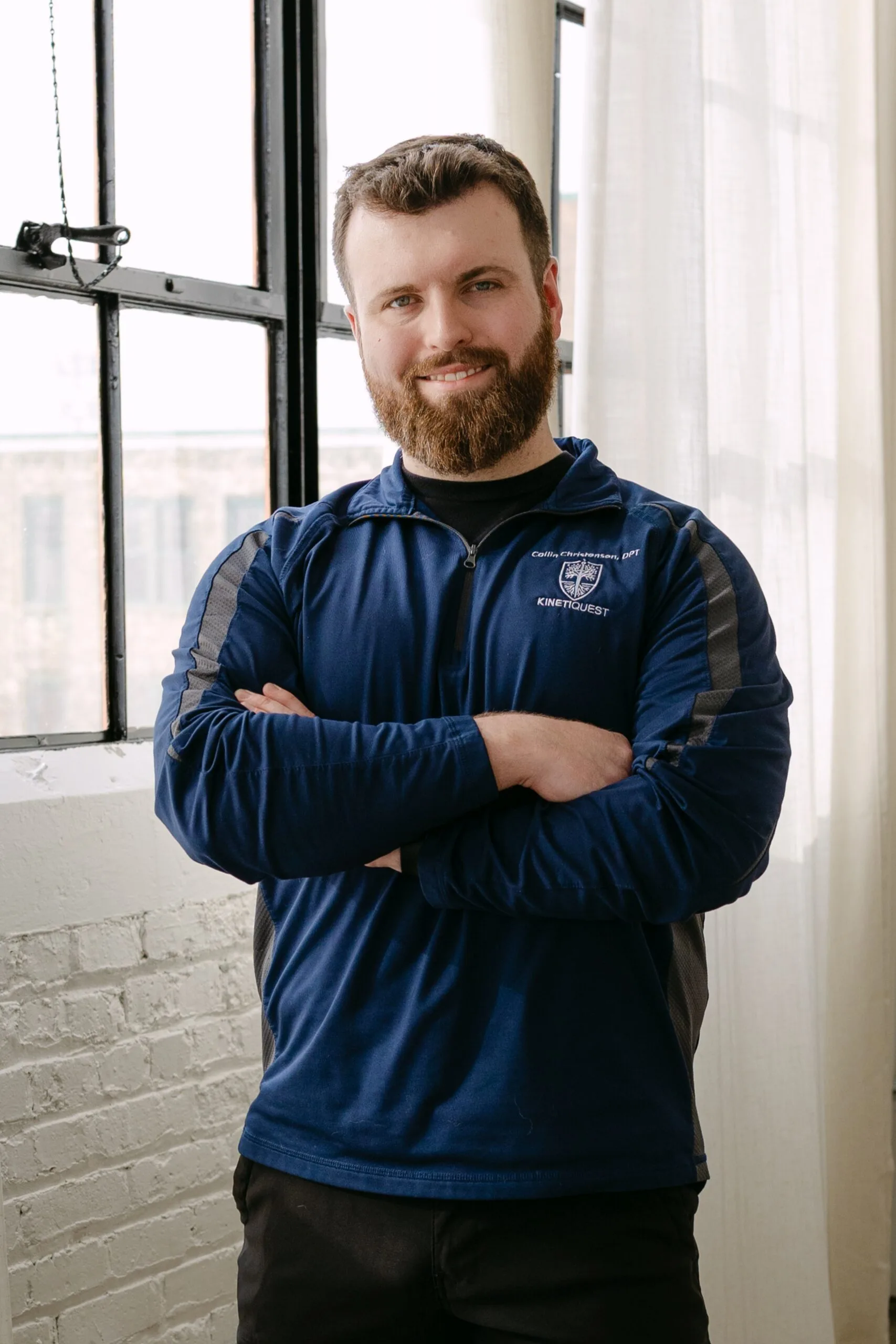
Dr. Collin Christensen
Collin is residency-trained and board-certified in orthopaedics, a combination held by fewer than 2% of US physical therapists.
Free resources
Keep learning between visits.
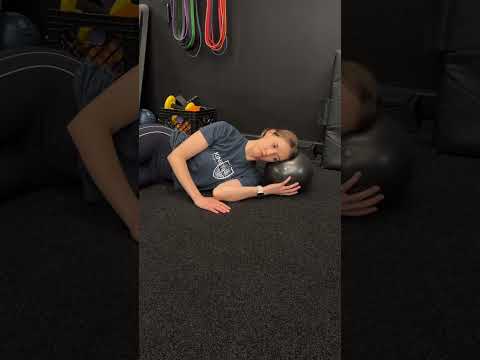
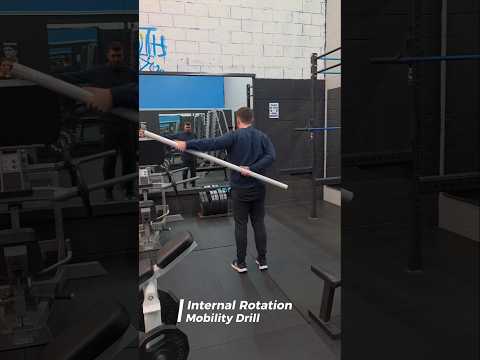
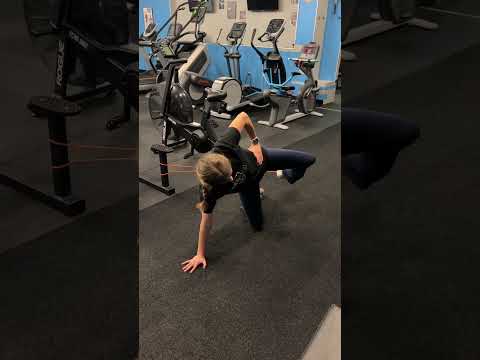
Clinic-filmed drills and gear our physical therapists actually use. Use them alongside your plan, not instead of one.