Quick answer
What actually helps back pain and sciatica?
For most active adults, the right kind of movement helps more than rest. Back pain is common, usually not a sign of serious damage, and very treatable.
A specialist finds what’s driving it, calms it down with hands-on care and smart load changes, then rebuilds the strength and control your training needs.
What we treat
Common back pain & sciatica problems we help with
If it limits your training, your work or your day, we can help. Common reasons people see us:
Sound familiar?
What we hear, and what we do about it.
You know your body and your sport. We listen first, then build the plan around what you want to get back to.
Common experience
“It locks up every time I bend over.”

The KinetiQuest way
We find the movement pattern behind it and rebuild your hinge so bending feels normal again.
Common experience
“My MRI says I have a bulging disc.”
The KinetiQuest way
Disc changes are common in people with no pain at all. We treat how you move, not just what the scan shows.
Common experience
“I’ve been told to stop deadlifting.”
The KinetiQuest way
We modify the lift instead of banning it, then progress you back to full weight.
What’s actually going on
Pain is a signal. Not a sentence.
Back pain & sciatica is common and very treatable. A few things most people are never told:
01 Pain is a signal, not a sentence.
Back pain often comes from sensitive tissue, not damage. The right load calms it down.
02 Your scan is not your story.
By age 50, about 80% of people have disc degeneration on imaging with zero pain. Findings are common and often unrelated.
03 Rest treats the symptom.
Movement and progressive loading address the cause, which is why we keep you active while you heal.
How we treat it
Three steps. Always know where you are.
One board-certified specialist guides you from your first visit to your last. It isn’t easy, but it is simple.
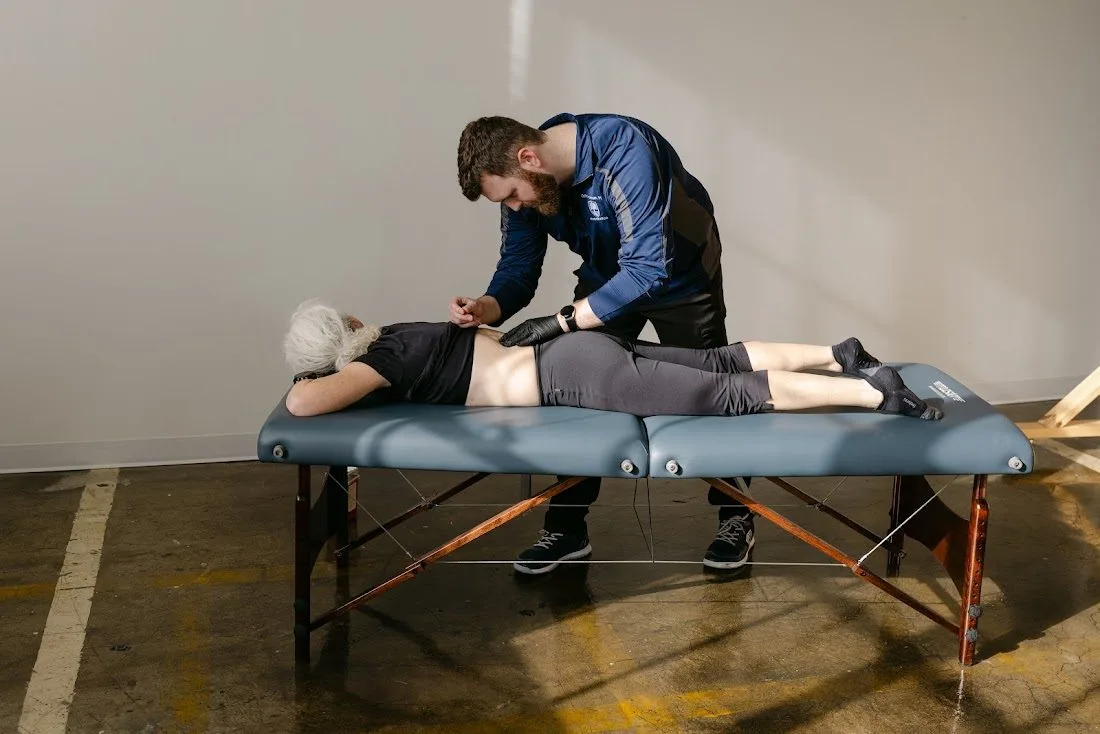
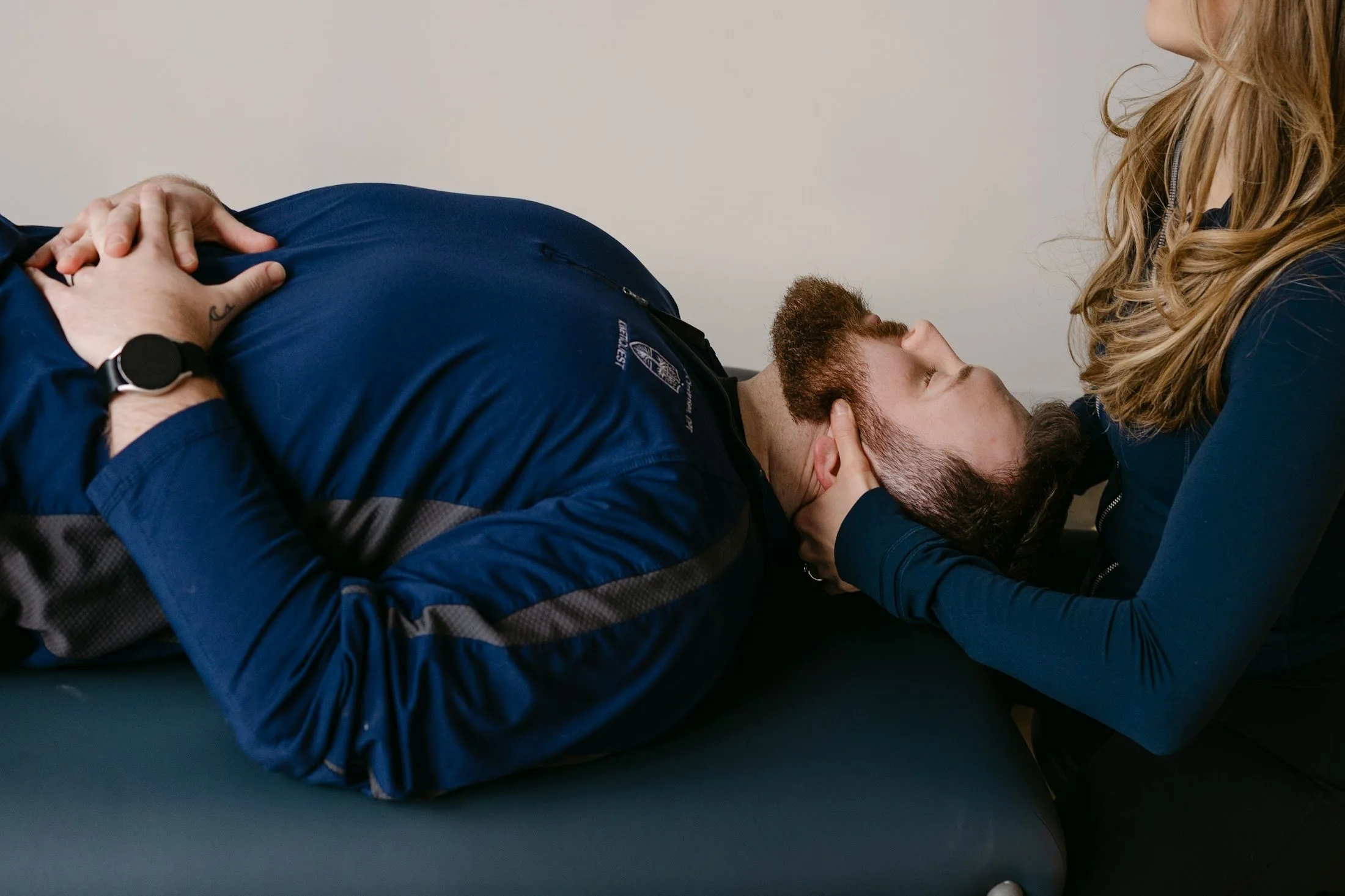
Step 01
Evaluate
We test how you bend, lift, sit and move under load to find what’s actually driving the pain, and check your nerves and hips too.
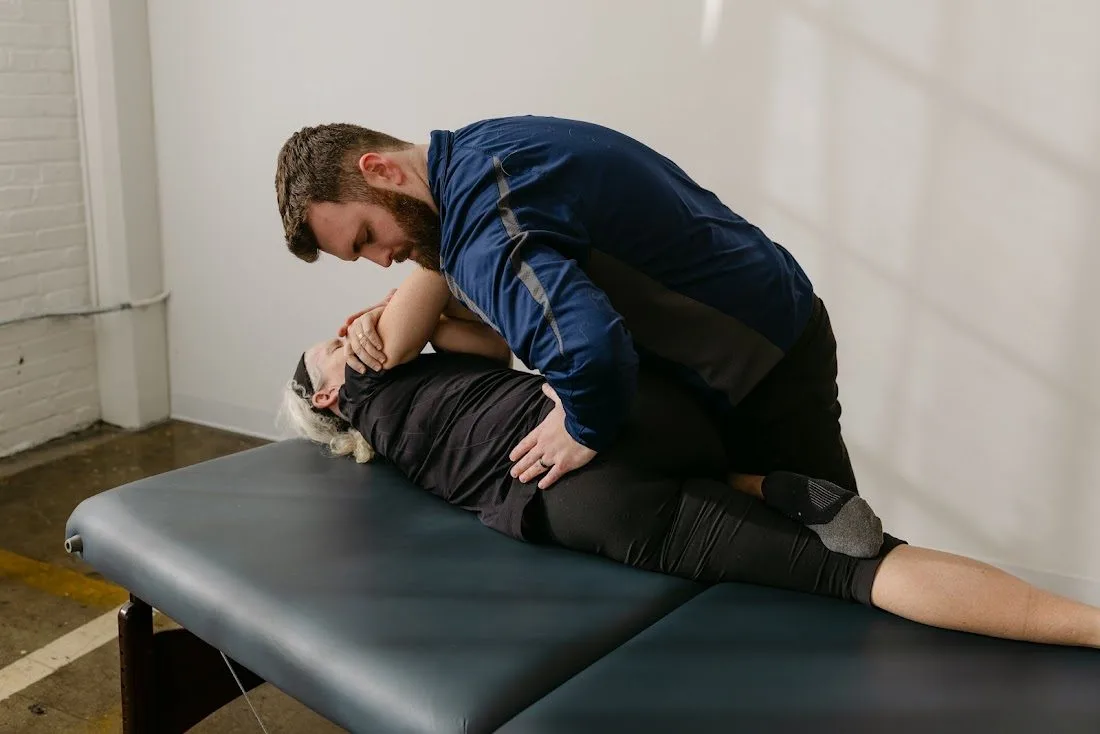
Step 02
Program
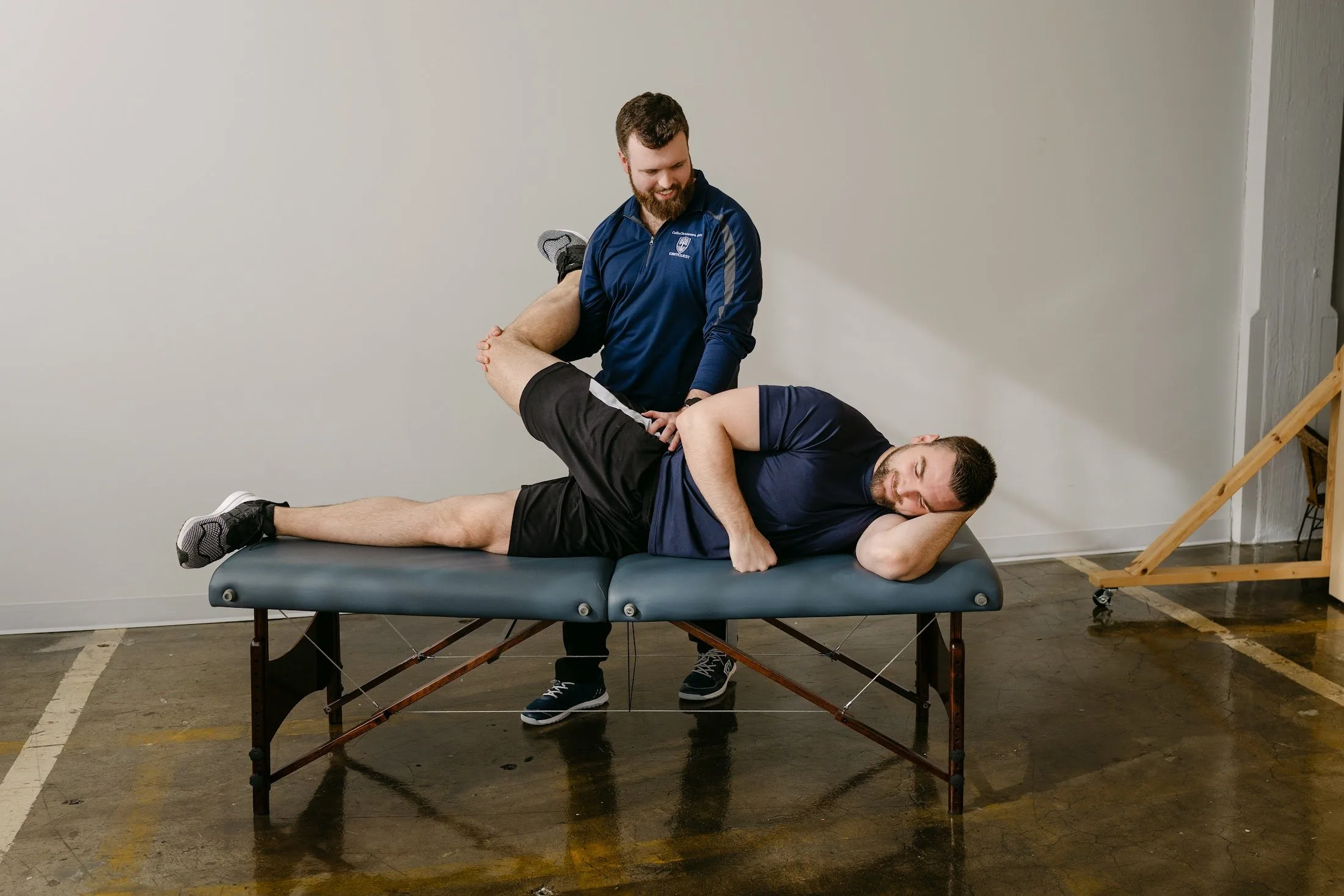
Hands-on care and targeted loading calm the pain fast. Then we rebuild trunk strength, hip mobility and your hinge pattern.
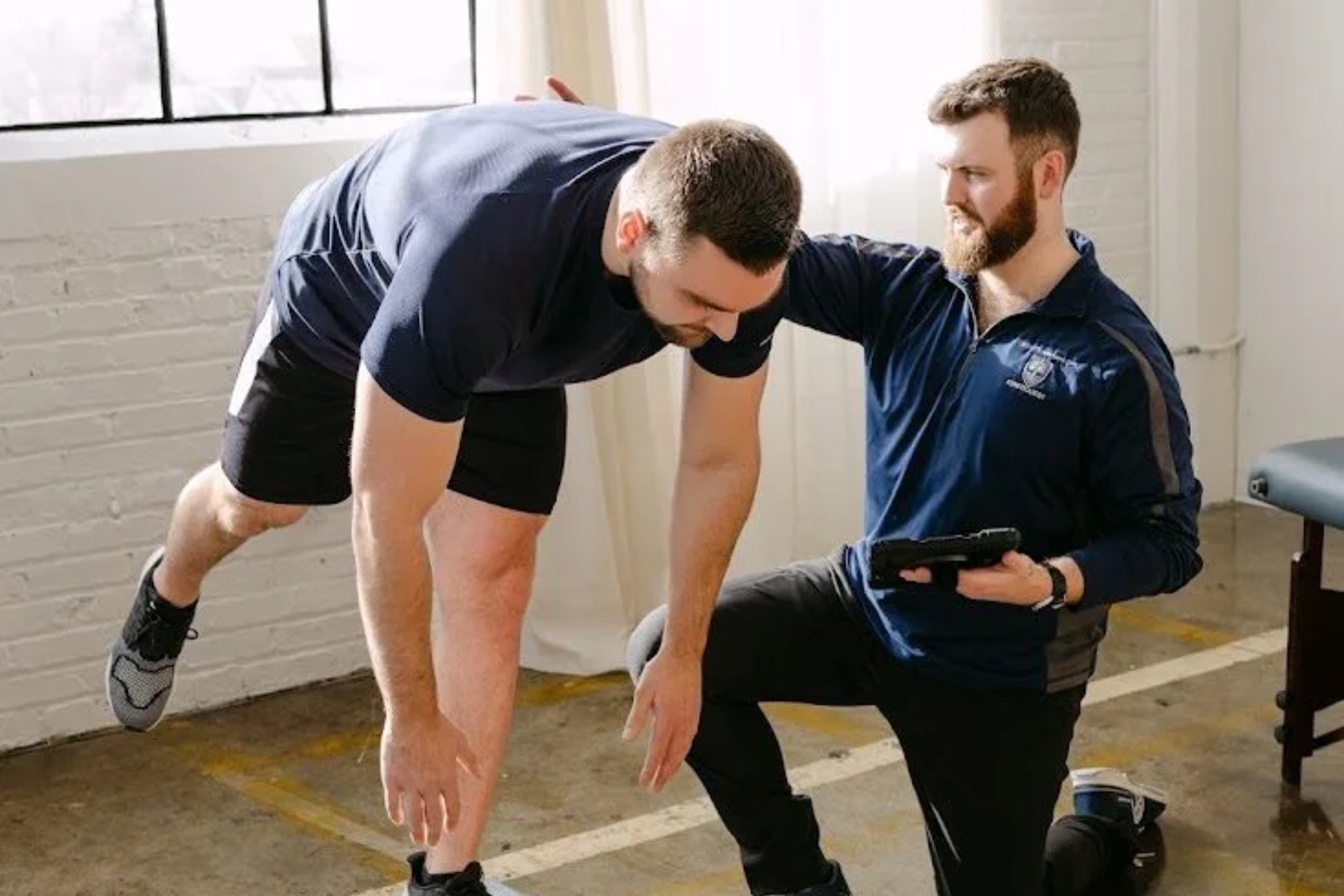
Step 03
Return + Optimize
We progress you back to full training, from deadlifts to long runs, and test your strength so you know you’re ready.
Keep training while you heal
Your rehab should match your training.
We modify your training around the problem instead of shutting it down, so you keep the fitness you built.
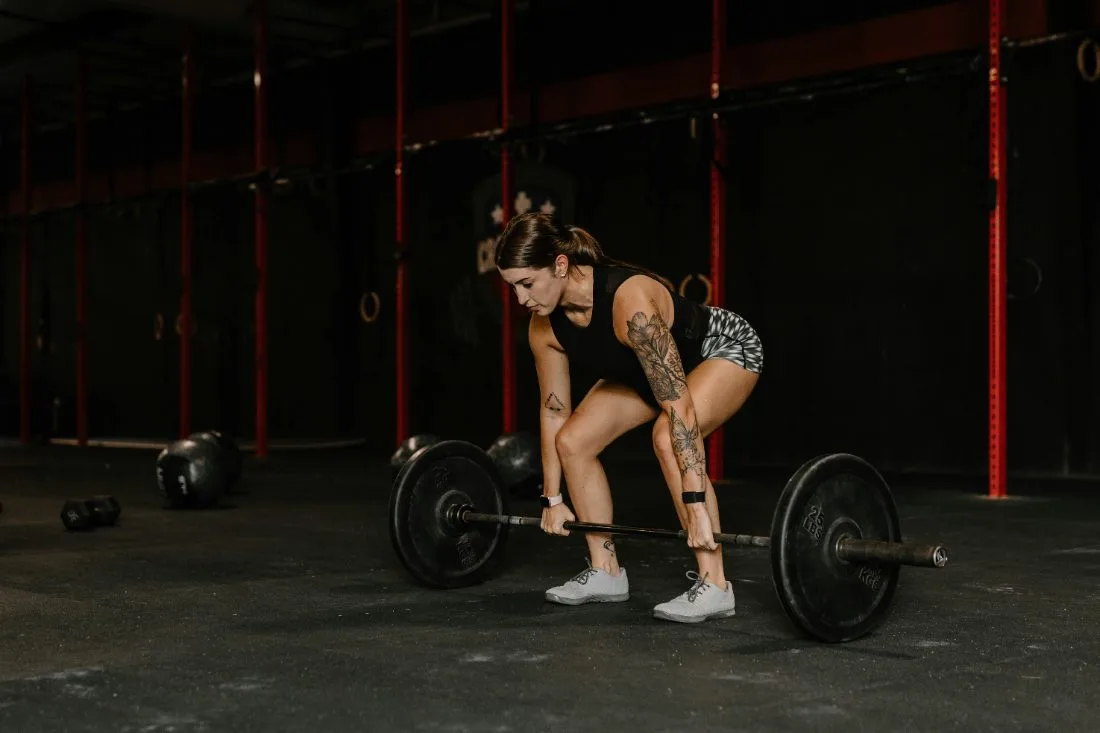
Lifters
Keep training with adjusted loads, tempo work and hinge drills while your back calms down.

Runners
Stay on your training block with mileage tweaks and trunk work that supports your stride.
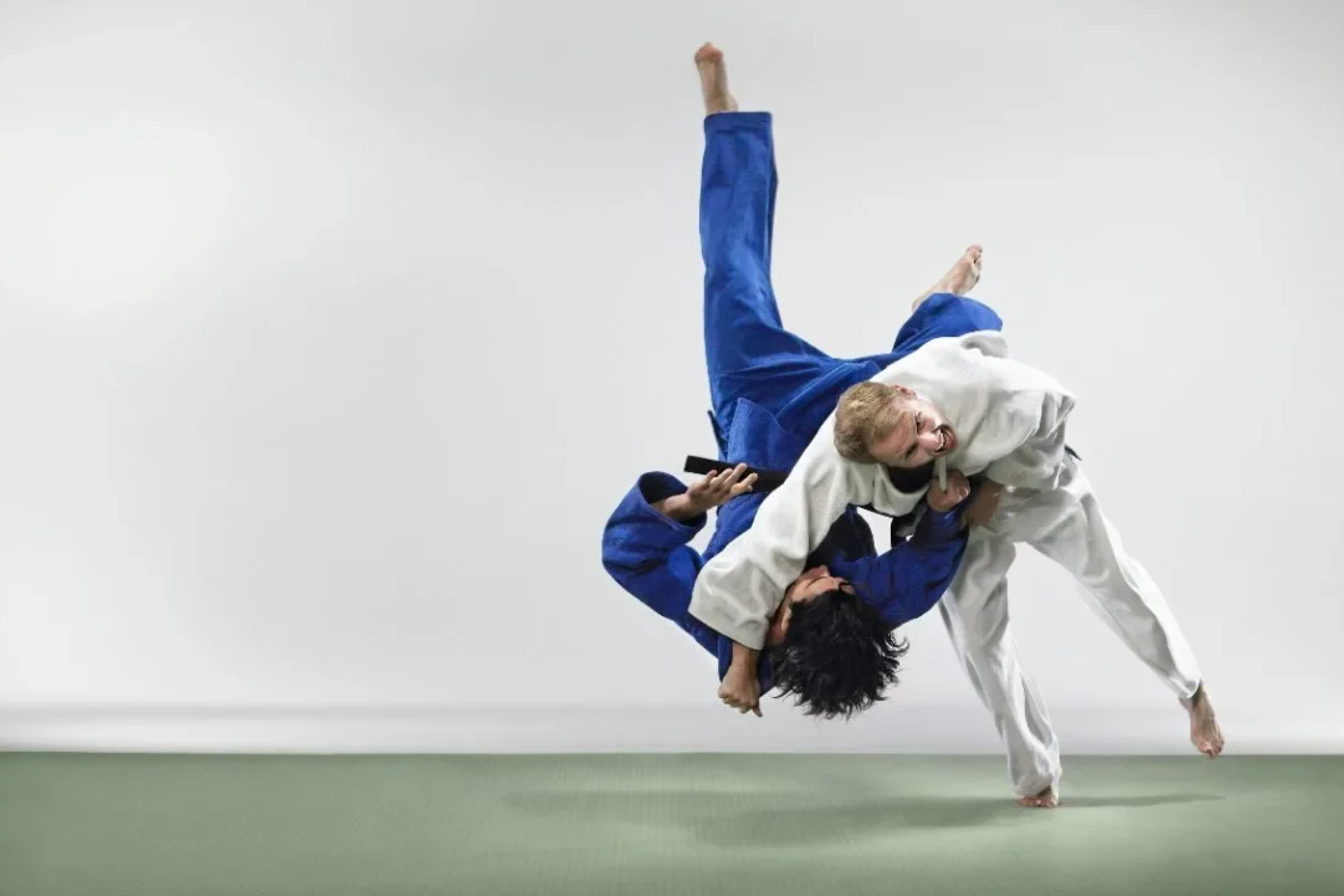
BJJ and martial arts
Modified drilling keeps you on the mats while we restore rotation and control.

Golfers
Rebuild rotational power through the hips so your back stops taking the load.
What to expect
How long will it take?
Most active adults notice a real difference within the first few visits. Your first visit ends with a clear diagnosis, a plan and a realistic timeline for your goals.
Every visit is one-on-one with your own Doctor of Physical Therapy, and your program lives on your phone between visits.
When to see a doctor first
Get checked right away if you have:
Loss of bladder or bowel control
Numbness in the groin or inner thighs
Leg weakness that is getting worse
Back pain with fever or unexplained weight loss
Pain after a serious fall or accident
If you’re not sure, call us. We’ll tell you honestly whether physical therapy is the right first step.
Free resources
Keep learning between visits.
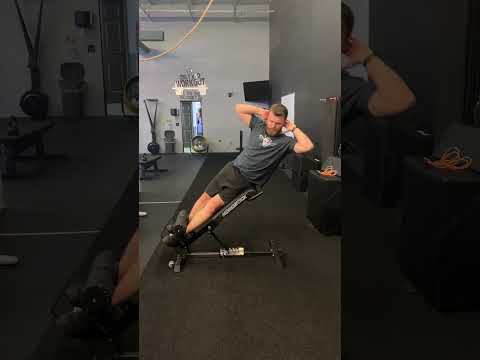
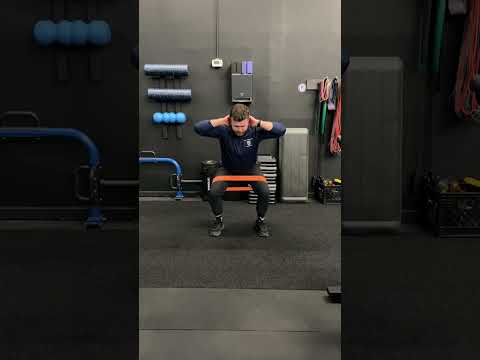
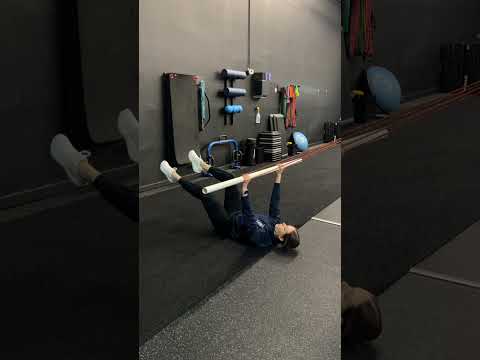
Clinic-filmed drills and gear our physical therapists actually use. Use them alongside your plan, not instead of one.