Quick answer
What helps elbow and wrist pain?
Most elbow and wrist pain comes from tendons that are doing more than they’re ready for. Progressive loading helps them get stronger.
We look at your grip, training volume and shoulder strength so the fix lasts when you go back to full intensity.
What we treat
Common elbow & wrist pain problems we help with
If it limits your training, your work or your day, we can help. Common reasons people see us:
Sound familiar?
What we hear, and what we do about it.
You know your body and your sport. We listen first, then build the plan around what you want to get back to.
Common experience
“My elbow hurts every time I grip the bar.”

The KinetiQuest way
We adjust grip and volume now, then load the tendon so it can handle pulling again.
Common experience
“Front squats and push-ups kill my wrists.”
The KinetiQuest way
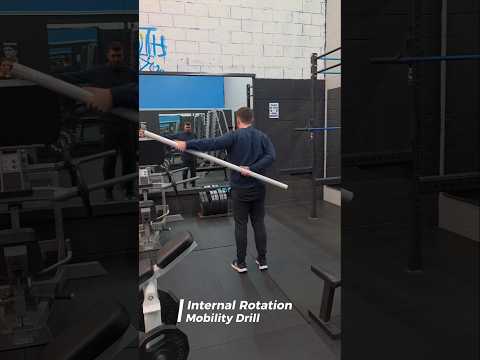
Mobility and strength work plus smart position changes keep you training.
Common experience
“It flares up after every round of golf.”
The KinetiQuest way
We look at your swing load and build forearm strength for the season.
What’s actually going on
Pain is a signal. Not a sentence.
Elbow & wrist pain is common and very treatable. A few things most people are never told:
01 Tendons respond to load.
Elbow tendon pain usually improves with progressive strength work. Rest alone rarely fixes it.
02 The shoulder matters.
Weak shoulders and upper back can push extra load down to the elbow and wrist.
03 Volume adds up.
Small changes to grip and training volume can make a big difference while you heal.
How we treat it
Three steps. Always know where you are.
One board-certified specialist guides you from your first visit to your last. It isn’t easy, but it is simple.
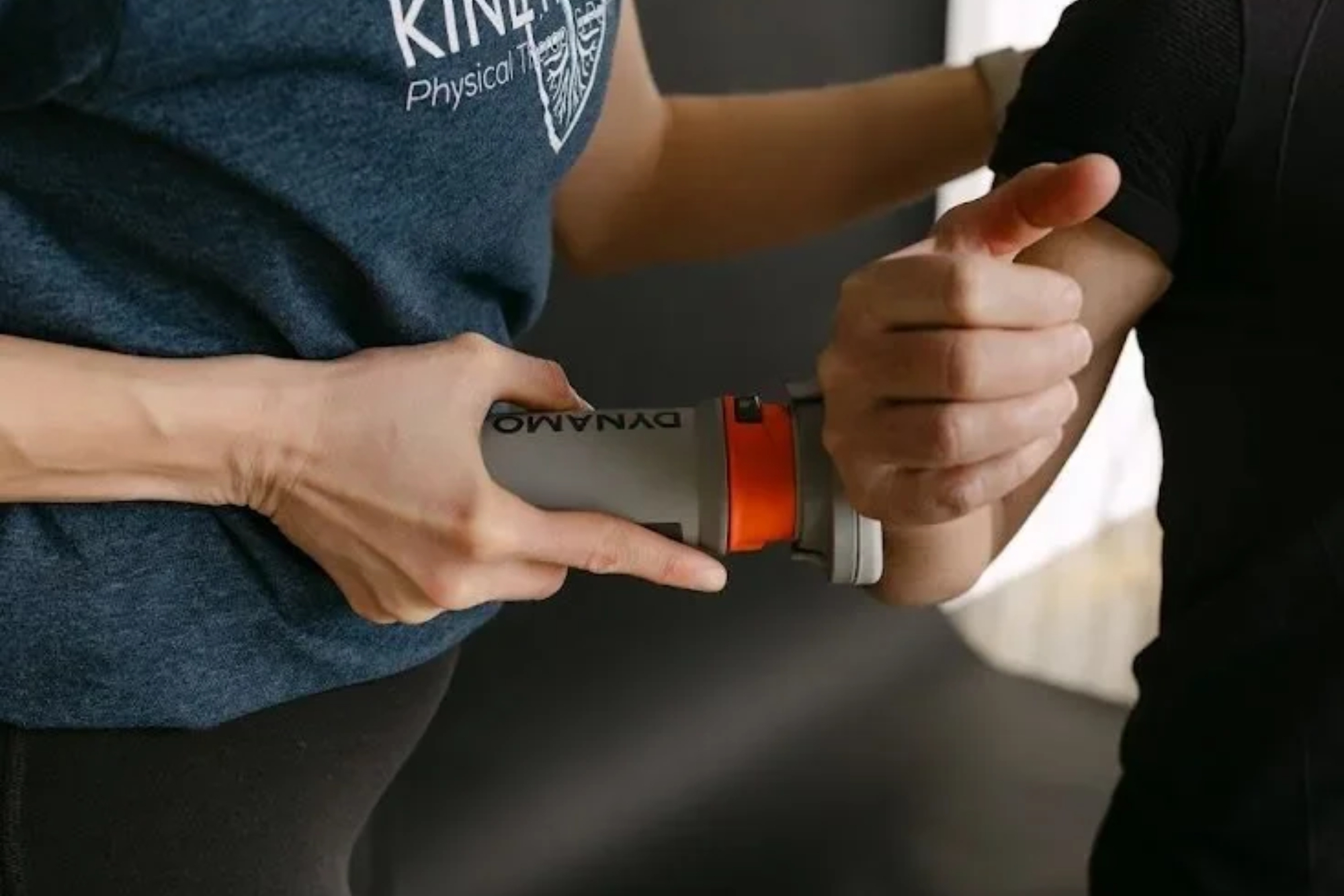
Step 01
Evaluate
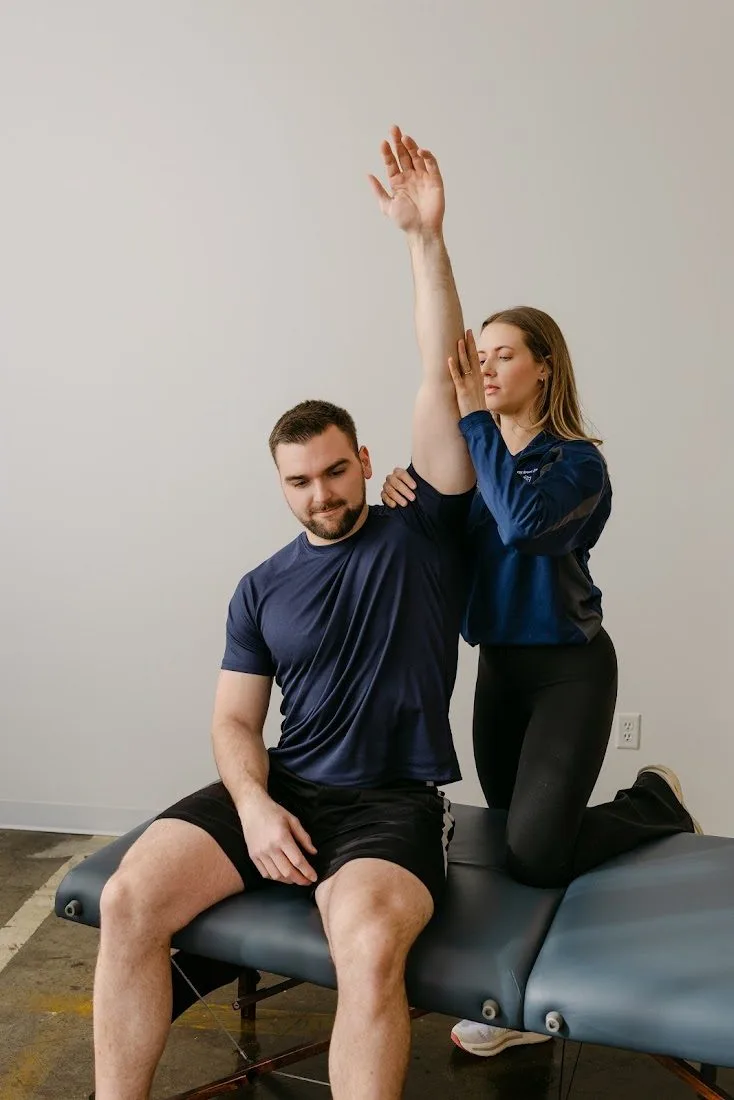
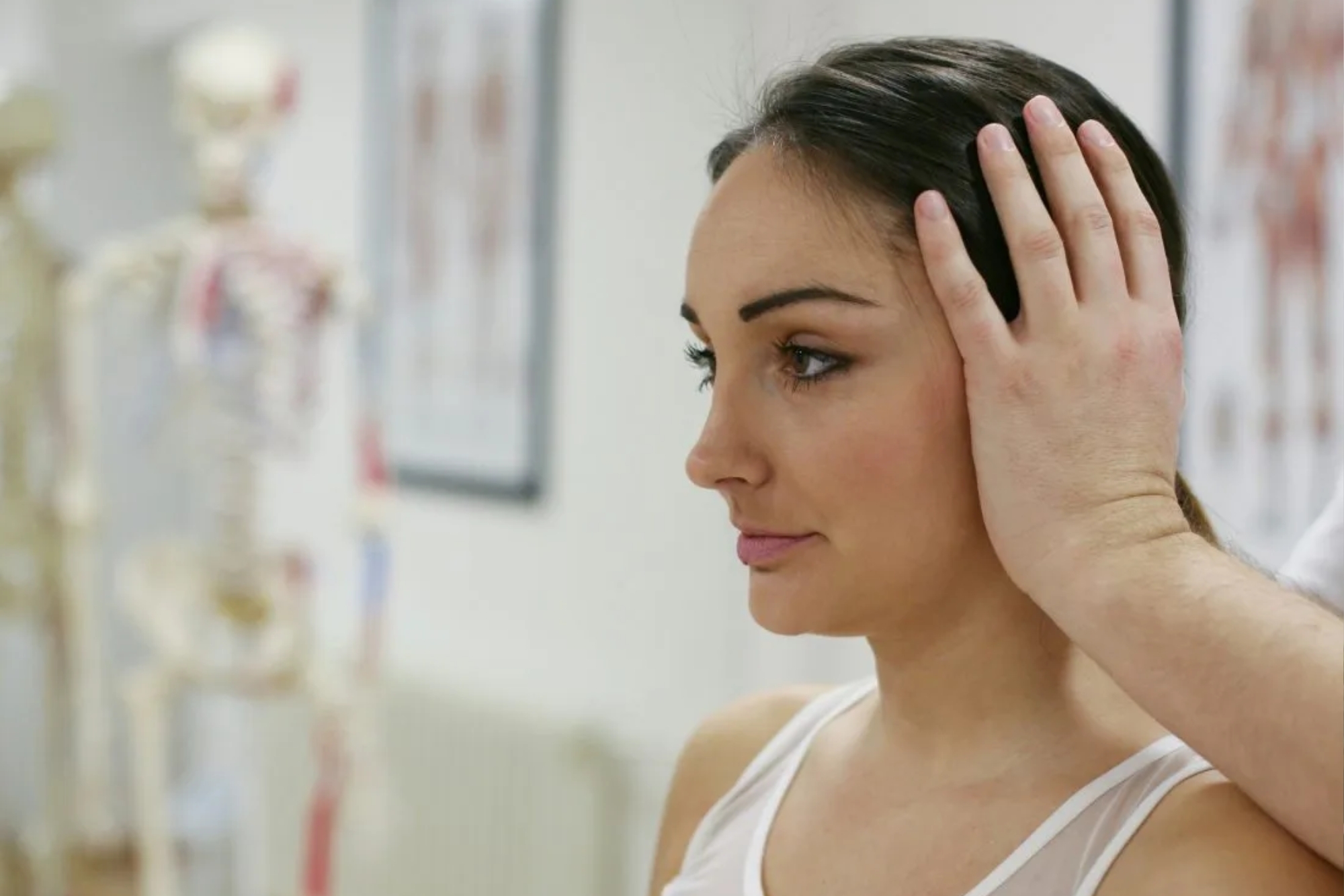
We assess grip strength, wrist and elbow range, and the shoulder and neck above them.
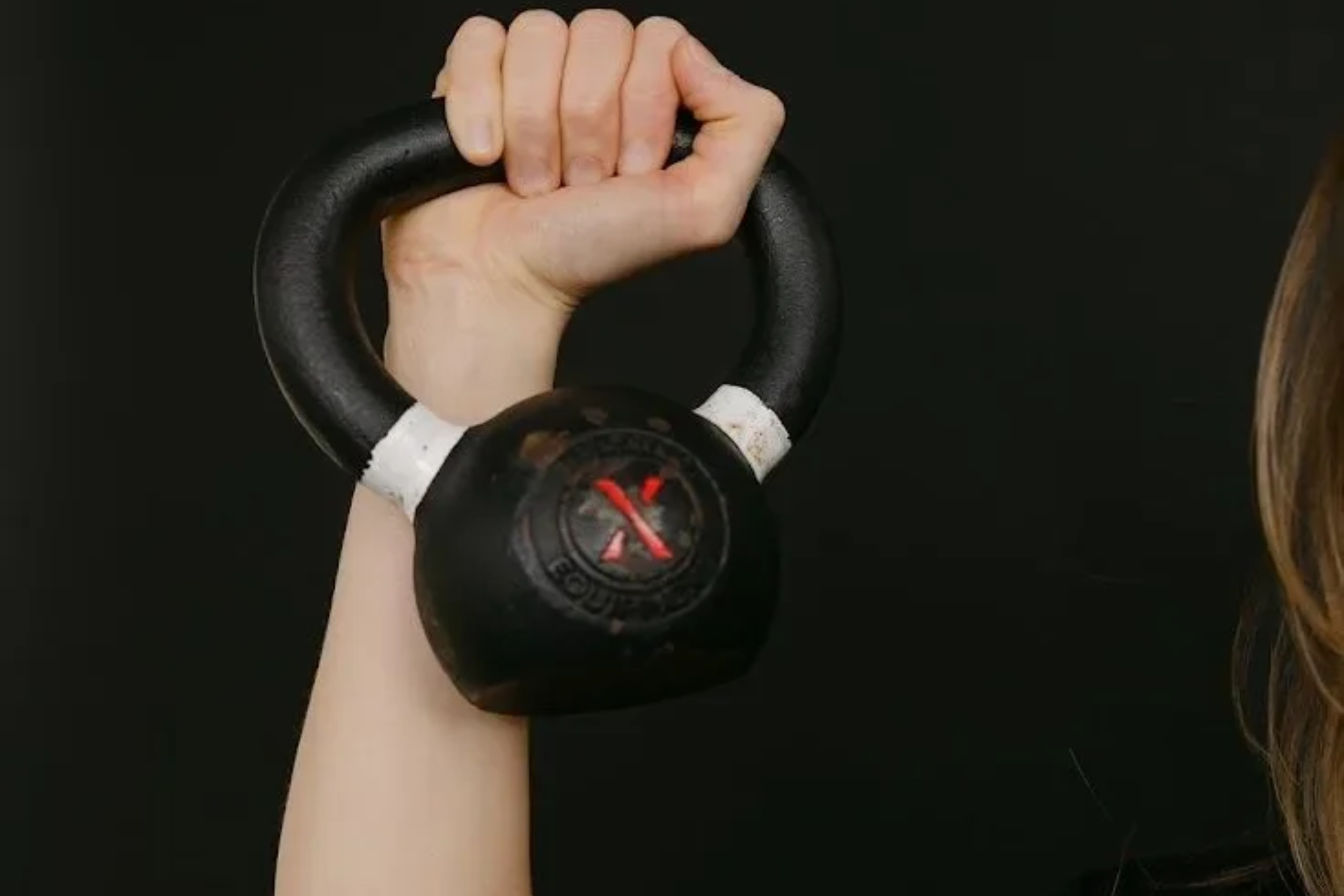
Step 02
Program
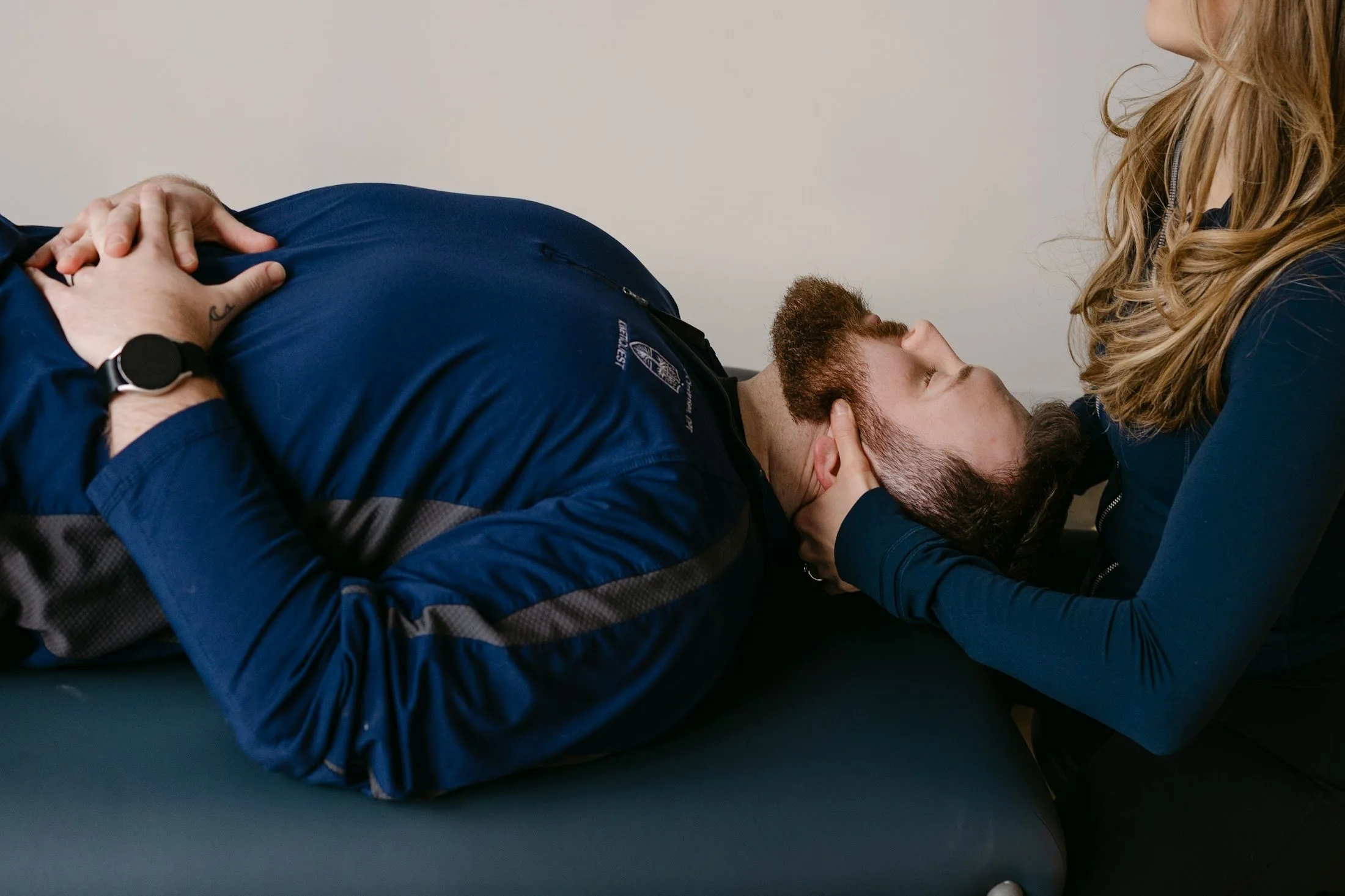
We calm the pain with hands-on care and isometrics, then build forearm, grip and shoulder strength.
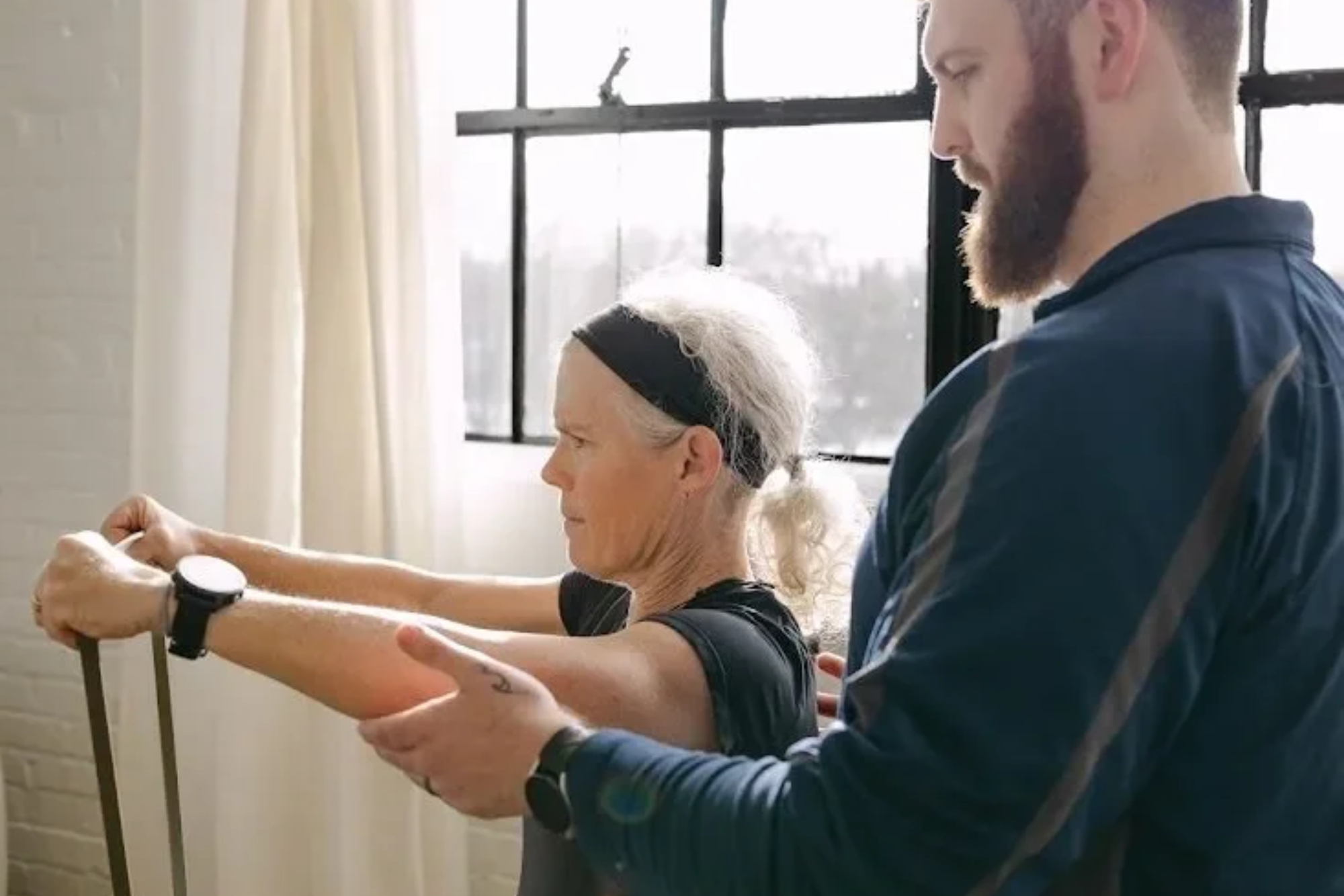
Step 03
Return + Optimize
We bring back pulling, pressing, swinging or throwing in stages and test grip strength before full return.
Keep training while you heal
Your rehab should match your training.
We modify your training around the problem instead of shutting it down, so you keep the fitness you built.
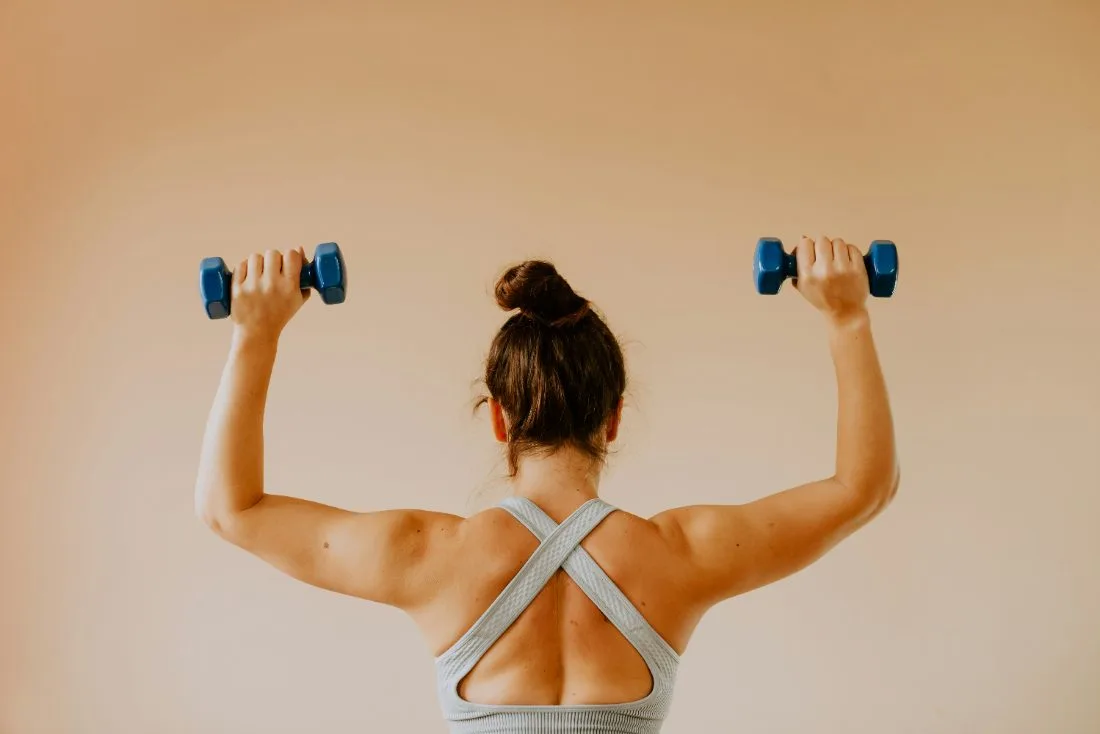
Lifters
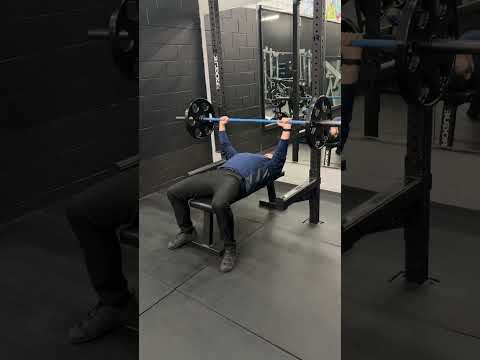
Grip and pulling changes keep you training while the elbow settles.
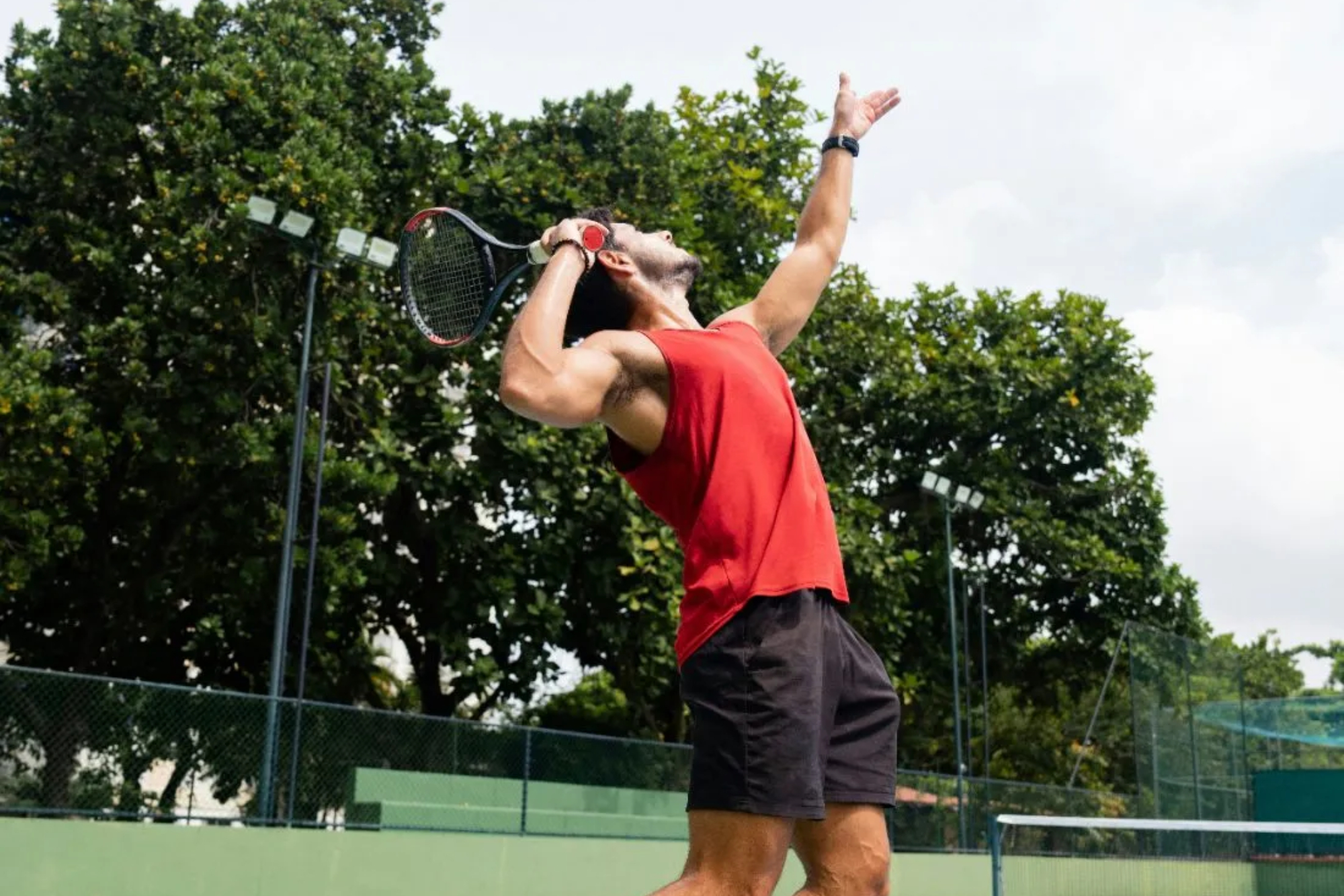
Golfers and racket athletes
Swing load management and forearm strength for the season.

CrossFit athletes
We scale pull-ups, toes to bar and front rack work, then build back up.
Desk workers
Setup changes and strength work for wrist and forearm pain at work.
What to expect
How long will it take?
Many people feel a difference within the first few visits. Tendon pain takes steady loading over a few weeks, and you’ll know your plan from day one.
Every visit is one-on-one with your own Doctor of Physical Therapy, and your program lives on your phone between visits.
When to see a doctor first
Get checked right away if you have:
Severe pain or deformity after a fall
Numbness or tingling in the hand that is getting worse
Sudden weakness gripping or lifting
A pop at the elbow with bruising
Pain with fever, redness or swelling
If you’re not sure, call us. We’ll tell you honestly whether physical therapy is the right first step.
Free resources
Keep learning between visits.
Clinic-filmed drills and gear our physical therapists actually use. Use them alongside your plan, not instead of one.