
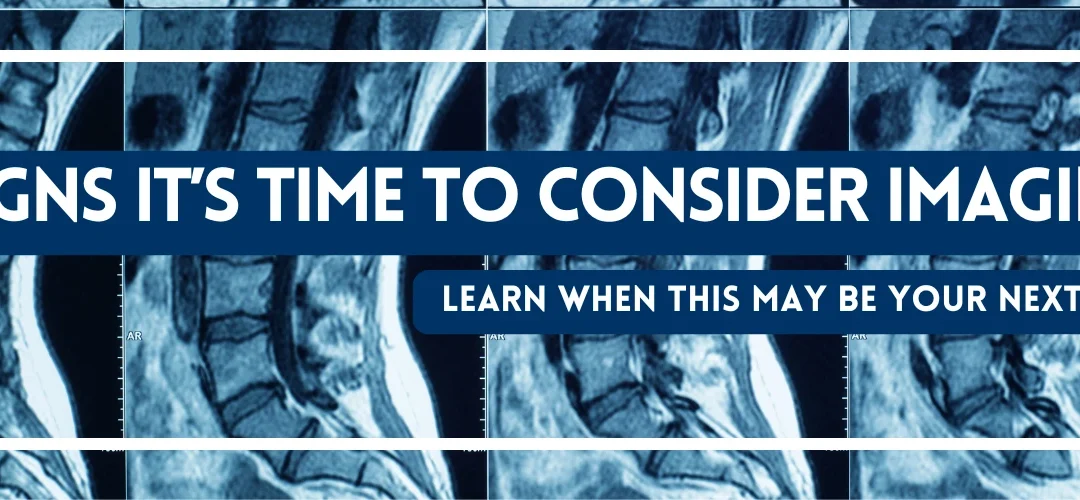
When is Imaging Needed?
Imaging, like X-rays, MRIs, or CT scans, is a powerful tool in healthcare, but it’s not always necessary to begin physical therapy. Often, musculoskeletal injuries can be assessed and treated effectively through expert clinical evaluation. However, there are specific situations where imaging becomes essential to provide clarity, ensure safety, and guide the best course of treatment. Let’s explore the moments when imaging may be necessary—and when it might not be.
Key Indicators To Pursue Imaging
Understanding when imaging is needed can save you time, resources, and unnecessary stress. Here are the scenarios where imaging plays a critical role:
-
After a Head Injury
Experiencing a blow to the head or neck? Imaging is essential to rule out serious conditions like fractures or concussions that might not be apparent during a physical exam. -
High-Impact Falls
If you’ve taken a hard fall from a height or at high velocity, imaging can reveal fractures or joint instability that either may be missed or is too risky to assess in a physical examination. -
Unexplained Numbness
If numbness worsens or appears suddenly, causing a complete loss of light touch, pressure and temperature sensation, it may signal nerve damage or compression. Imaging can help identify and address the root cause. -
Changes in Bathroom Habits
Difficulty controlling your bladder or bowels? These could indicate serious spinal cord involvement that imaging can help evaluate immediately. -
Sudden or Severe Weakness
Rapidly worsening weakness, particularly if it limits daily activities, might suggest a nerve or structural injury requiring imaging to diagnose before planning for surgical decompression can begin. -
Visible Muscle Atrophy
Seeing or feeling significant muscle wasting? Imaging might uncover a nerve injury or conditions needing further investigation. -
Profound Mechanical Joint Locking & Dead Limb Sensations
Is your joint “getting stuck” or occasionally encountering a “Dead Limb” sensation in certain positions and movements? This could indicate more profound capsular ligament tears, cartilage damage or loose bodies in the joint space. -
No Progress After Six Weeks
If symptoms persist despite consistent conservative care, imaging can help determine whether additional interventions are needed.
When Less is More
As you can see above, most scenarios requiring immediate imaging are more urgent than most pains people attend physical therapy for. There is usually an element of trauma or emergency, or signs of underlying medical issues.
Most musculoskeletal issues, like sprains, strains, and mild joint pain, don’t require imaging. Starting with a clinical assessment is often the fastest way to get you back on track. Studies show unnecessary imaging can lead to overtreatment and may not improve outcomes. Trust your physical therapist’s expertise to guide this decision and collaborate with other healthcare providers when needed.
Your Action Plan
- Trust the Process: Lean on your physical therapist’s clinical knowledge to determine if imaging is necessary. Your physical therapist is responsible to acquire appropriate referrals and collaborate with other health professionals when confronted with something outside the scope of their expertise.
- Stay Informed: Ask questions and understand why imaging is or isn’t being recommended. It’s easy to receive excessive imaging, causing unnecessary costs and oftentimes paving the road to more invasive procedures.
- Prioritize Action Over Anxiety: While imaging can provide additional clarity in cases of more emergent presentations, the image itself rarely informs how to recover from injury. Instead, focus on the advice provided by your therapist on how to reduce symptoms while you improve your function – you should see noticeable improvements in relatively short time when under the right treatment program.
At KinetiQuest, we believe that empowering you with the right information can help you make the best decisions for your health. With the right care, you can move past pain and return to the activities you love—stronger and more informed than before.