
 Sleep & Pain Relief: Why What You Do During the Day Matters More Than Your Sleep Position
When dealing with pain, many people wonder if changing their sleep position will provide relief. While sleep can influence how you feel, it’s not a direct fix for pain. Just as posture isn’t always the root cause of discomfort, sleep position alone isn’t a guaranteed solution for pain relief.
Here’s the full picture.
Does Sleep Position Really Matter for Pain?
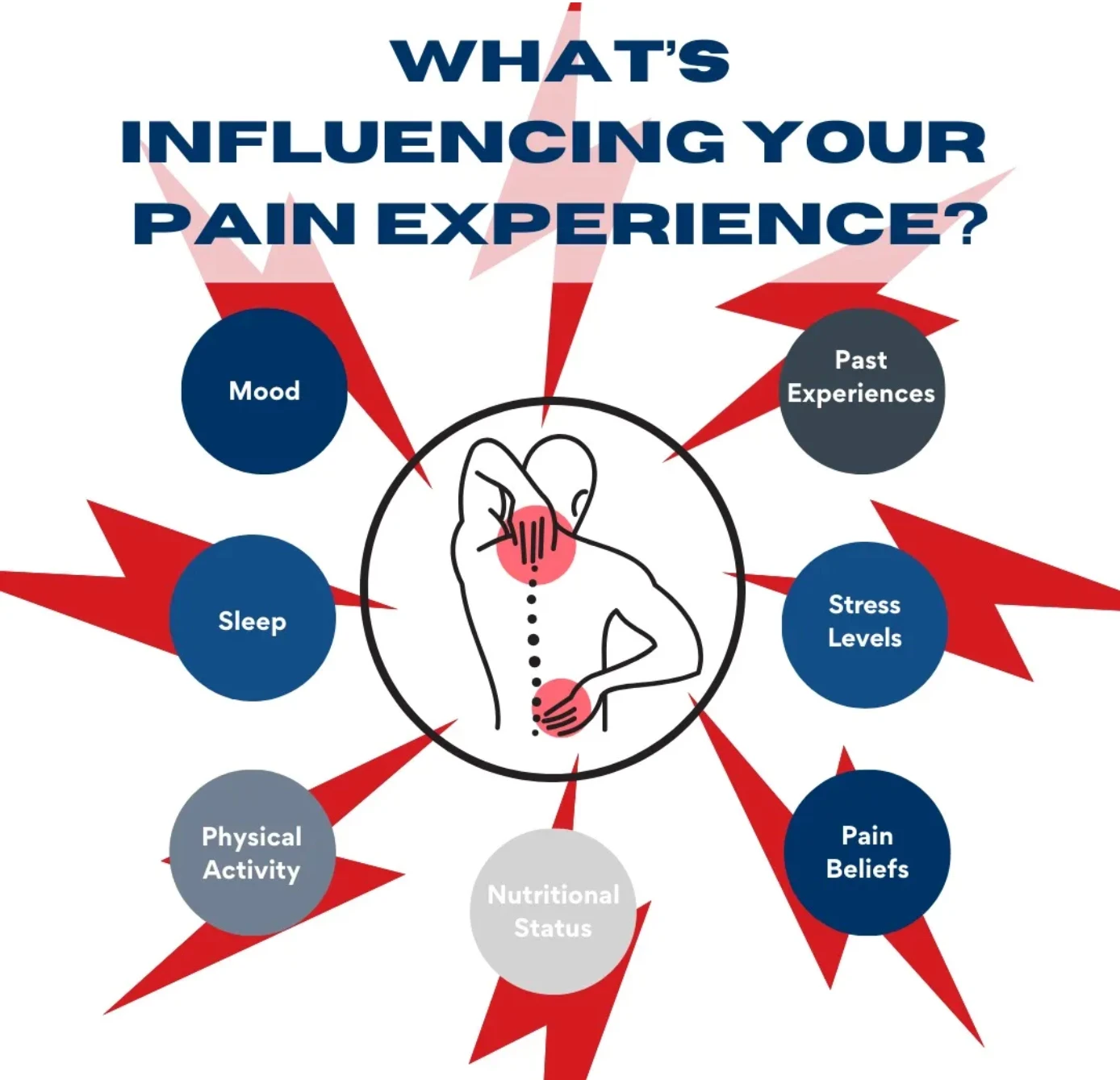
You may have heard that sleeping on your back can help with lower back pain or that adjusting your pillow can ease neck discomfort. While these changes might offer temporary relief, they are just one piece of the puzzle. Pain is influenced by multiple factors, and adjusting how you sleep won’t necessarily resolve your symptoms.
In fact, focusing too much on sleep position can be counterproductive. Research shows that pain is more complex than just how you sleep (Slater et al., 2019). While certain positions may relieve pressure, your overall sleep quality and daily habits play a much bigger role in pain management.
Can Sleep Alone Cure Pain?
While quality sleep is essential for recovery, it’s not a magic cure for pain. Many people continue to experience discomfort even after modifying their sleep position, suggesting that the true solution lies elsewhere.
Sure, some people may feel better by changing their pillow, mattress, or sleep position, but for most, these adjustments don’t provide complete relief. Rather than stressing over the “right” sleep position, it’s more effective to focus on what you do during your waking hours. Long-term pain management comes from prioritizing movement, strength, and recovery strategies throughout the day. By supporting your body during the day, you’ll set yourself up for better sleep and lasting pain relief.
What to Focus on During the Day for Pain Relief
Instead of fixating on sleep position, shift your focus to daily habits that actively reduce pain and build resilience:
- Fuel your body & manage stress – Proper nutrition and hydration support recovery, while stress reduction techniques (like breathwork or meditation) help minimize muscle tension and nervous system sensitivity.
- Use movement systems that set you up for success – Strength, stability, and mobility-based approaches tailored to your needs can help you proactively manage symptoms instead of just reacting to them.
- Educate yourself to identify potential triggers – Understanding what contributes to your pain allows you to stop playing defense and take control of your recovery with a more proactive, strategic approach.
The Bottom Line
Adjusting your sleep position might provide short-term relief, but it’s not the key to long-term pain management. The most effective approach is to focus on movement, strength, and recovery strategies during the day. By improving how you support your body throughout the day, you’ll set yourself up for better sleep and lasting pain relief.
Want to Move Better and Feel Stronger?
Don’t just manage pain—take control of it. Our team specializes in helping weekend warriors, dedicated movers, and athletes reach peak performance with strength-based strategies designed for long-term success. Ready to move better, feel stronger, and perform at your best? Let’s build a plan that works for you!
References
- Slater, D., Korakakis, V., O’Sullivan, P., Nolan, D., & O’Sullivan, K. (2019). “Sit up straight”: Time to re-evaluate. Journal of Orthopaedic & Sports Physical Therapy, 49(8), 562-564.