
Quick answer
What does a running gait analysis at KinetiQuest include?
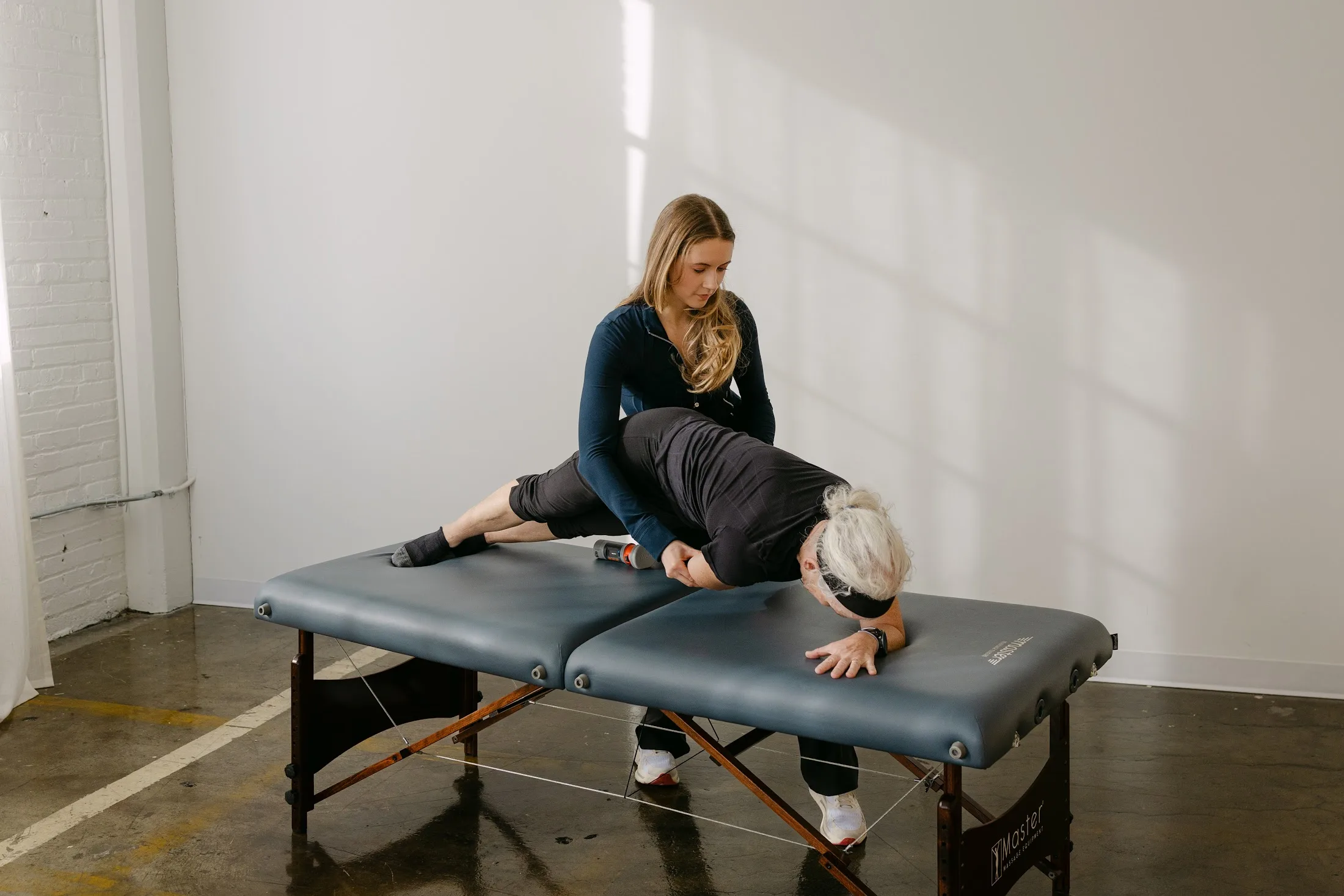
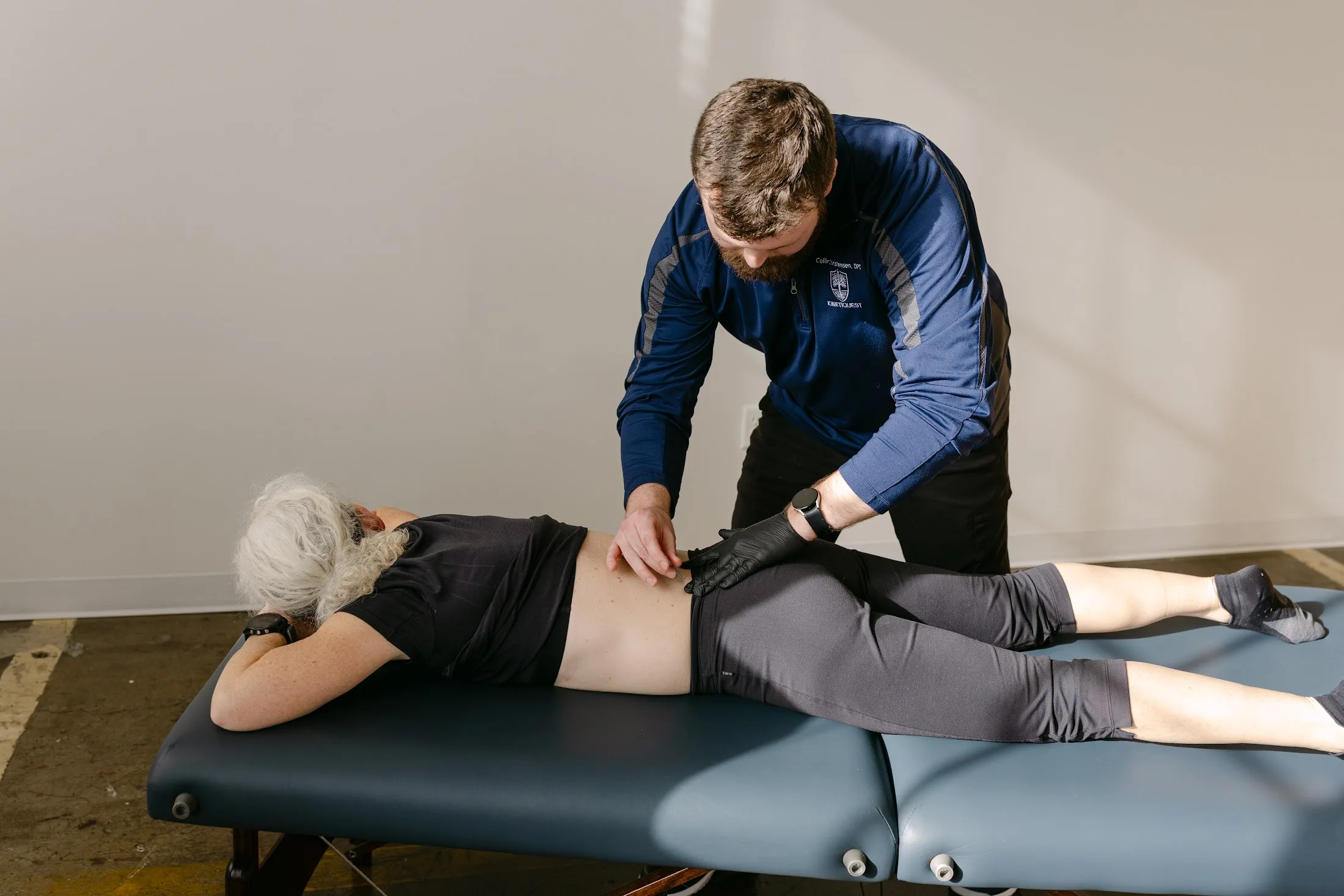
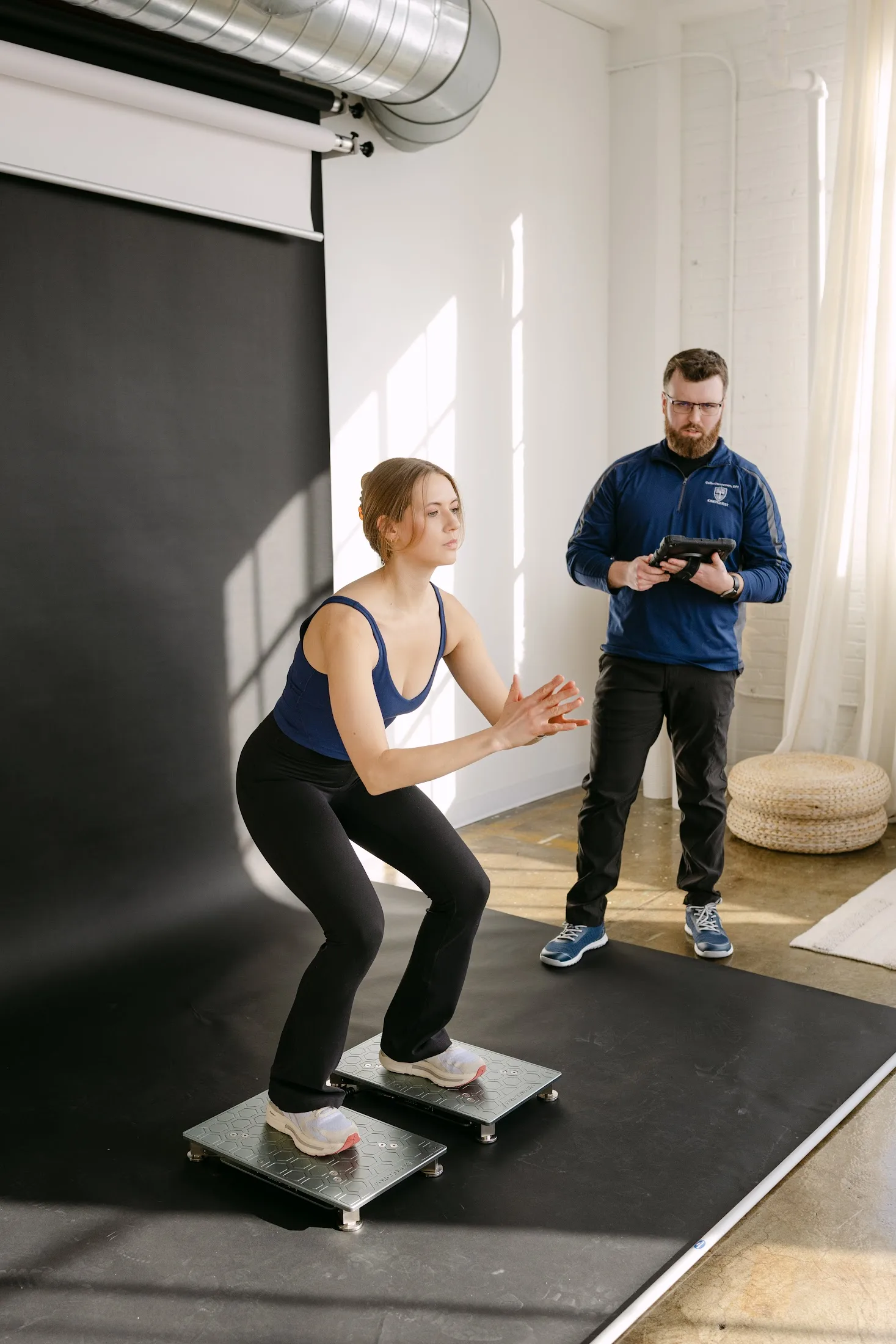
It starts with your story: your weekly miles, your race calendar, your shoes and what hurts. Then we run a head-to-toe movement assessment, watch how your stride holds up and measure your strength with handheld dynamometry on VALD Hub, so the plan is built on numbers, not guesses.
We connect what we see to the breakdowns behind runner’s knee, plantar fasciitis, hamstring pain and hip bursitis, then build a plan that keeps you running while we fix the problem and build resilience.
What we see
Is running gait analysis right for you?
If pain or an injury is limiting your training or your day, this may be a good fit:
Sound familiar?
What we hear, and what we do about it.
You know your body and your sport. We listen first, then build the plan around what you want to get back to.
Common experience
“Everyone says I should change my form.”

The KinetiQuest way
Most runners need one or two targeted changes, not a new stride. We find the ones that actually matter for your body.
Common experience
“It always flares up when I add miles.”
The KinetiQuest way
That usually means your weekly miles jumped past what your body was ready for. We compare each week to your 4 to 6 week average and build the strength to match.
Common experience
“I was told to stop running.”
The KinetiQuest way
Rarely necessary. We adjust distance, pace and terrain so you keep running while the problem settles.
What’s actually going on
Built for athletes who aren't done yet.
A few things most people are never told about running gait analysis:
01 Pain is a breakdown, not bad luck.
Most running injuries show up when this week’s miles climb well past your recent average, faster than your hips, calves and feet can adapt.
02 Strength protects your stride.
We measure hip, thigh and calf strength side to side, because small drops often show up weeks before pain does.
03 Recovery is part of training.
Sleep, stress, nutrition, hydration and easy days all change how your body handles the miles.
How we help
Three steps. Always know where you are.
One board-certified specialist guides you from your first visit to your last. It isn’t easy, but it is simple.
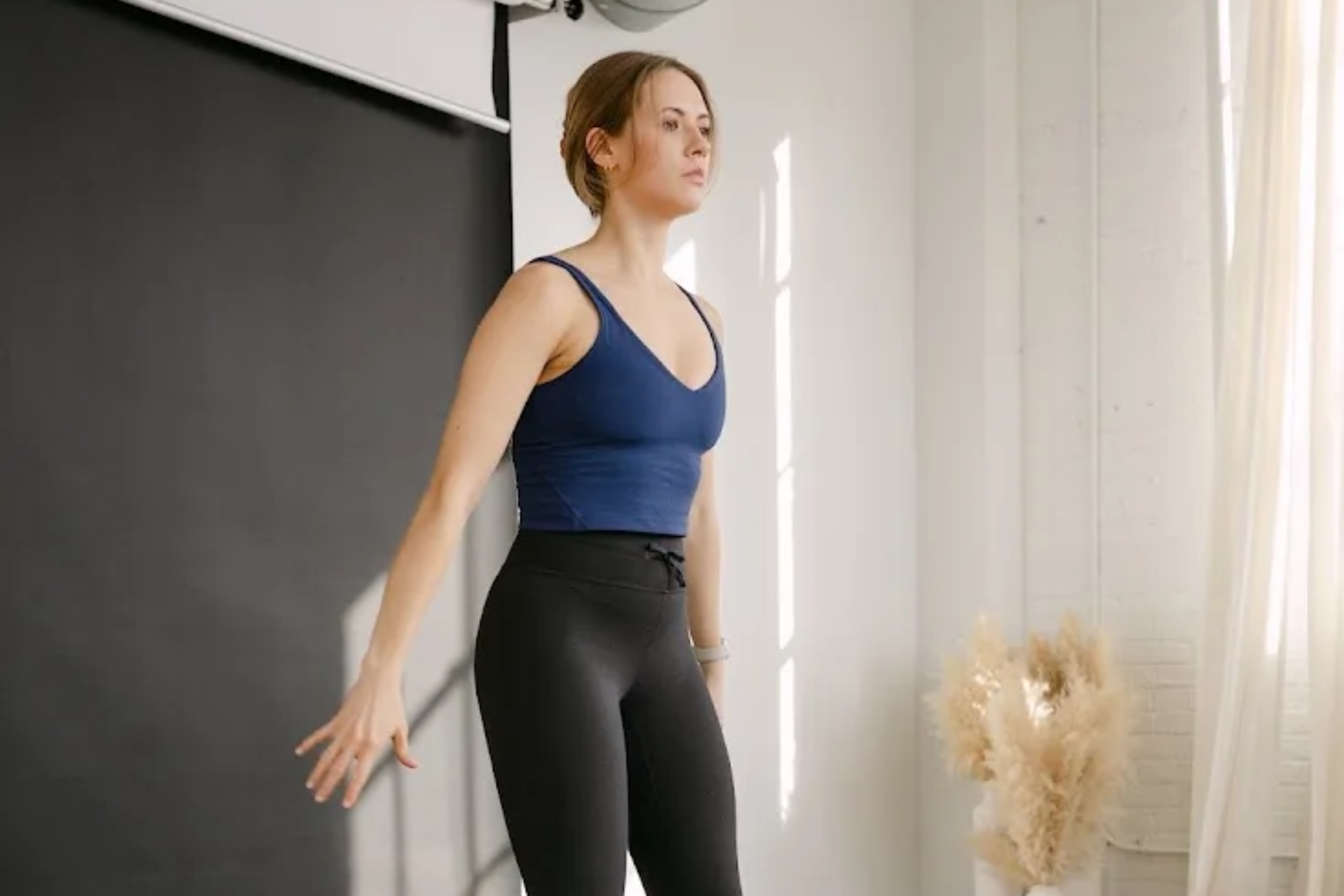
Step 01
Evaluate
We hear your story, assess you head to toe and measure strength side to side with handheld dynamometry.
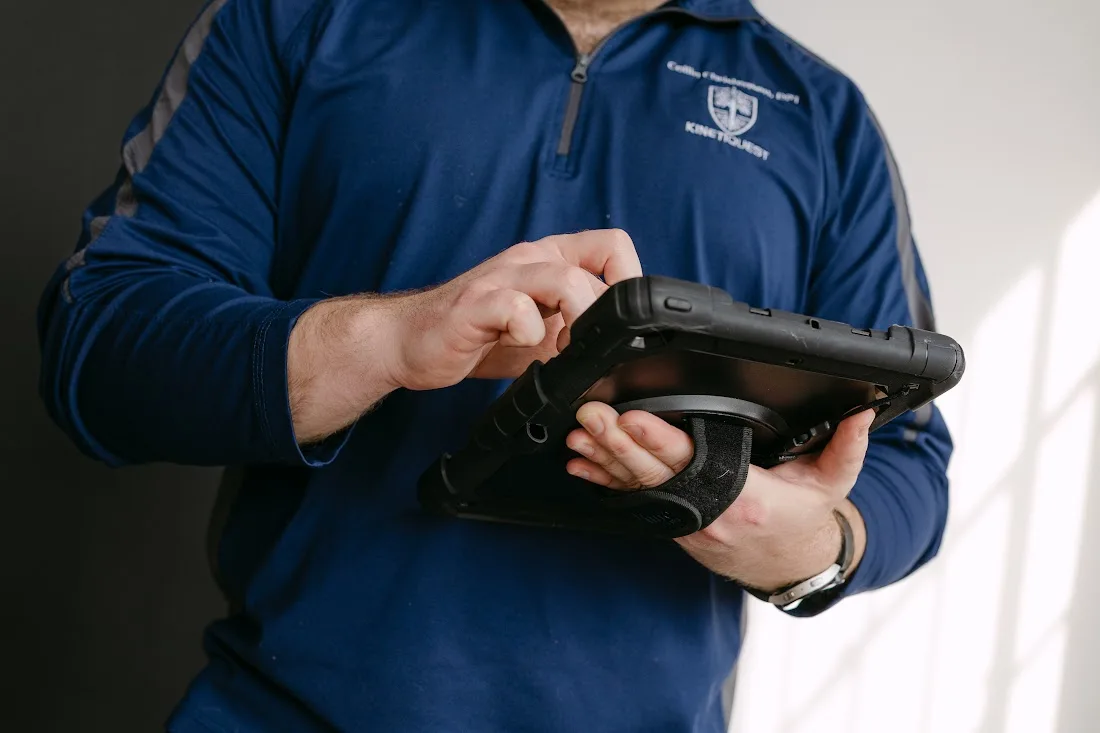
Step 02
Program
We turn the findings into a strength plan, simple cues and smarter programming for your training block.
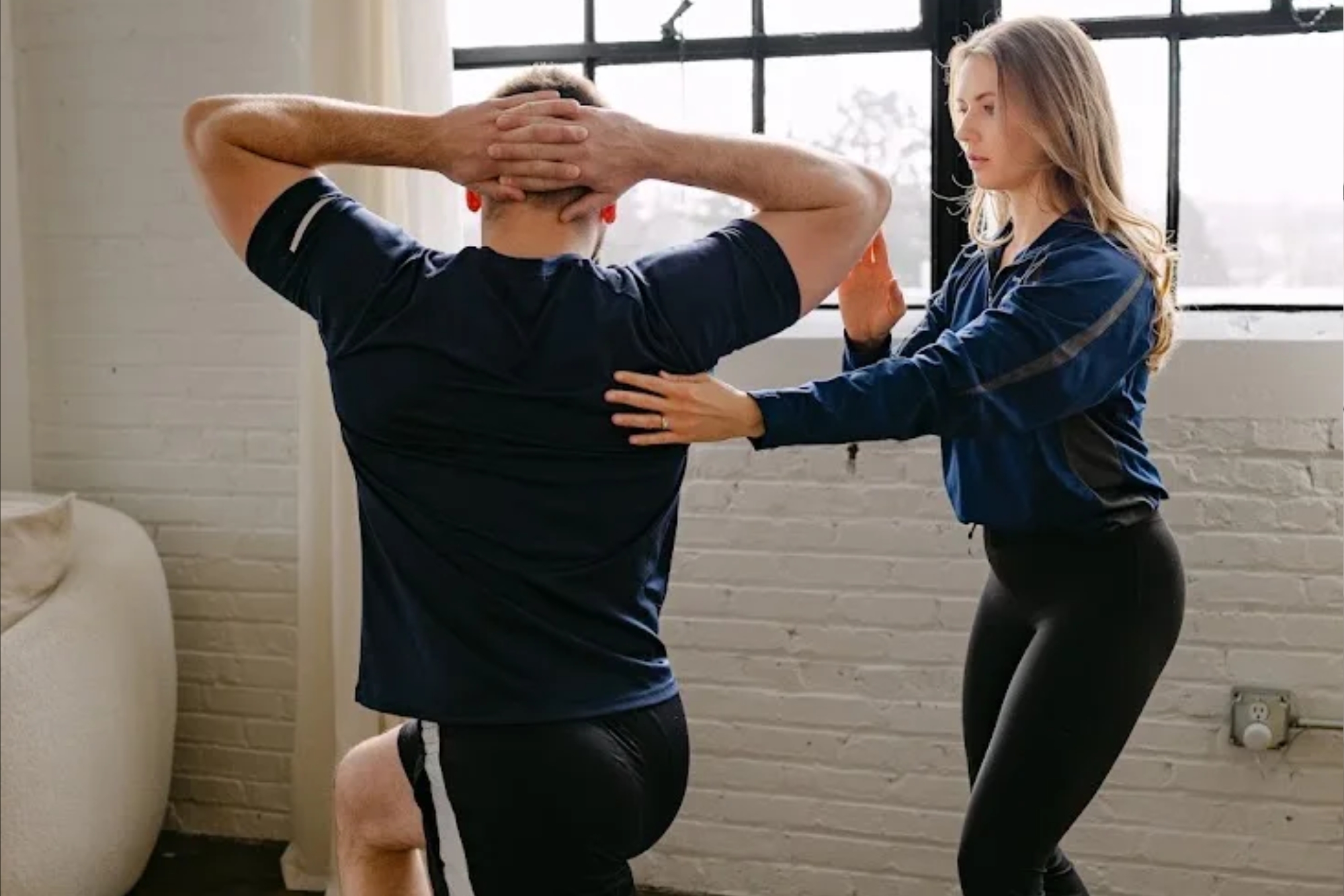
Step 03
Return + Optimize
We rebuild mileage at a pace your body can absorb, retest every 4 to 6 weeks and keep you ready for race day.
Where it hurts
Running injuries we look for.
Each one has its own page with what’s going on, how we treat it and the drills that help.
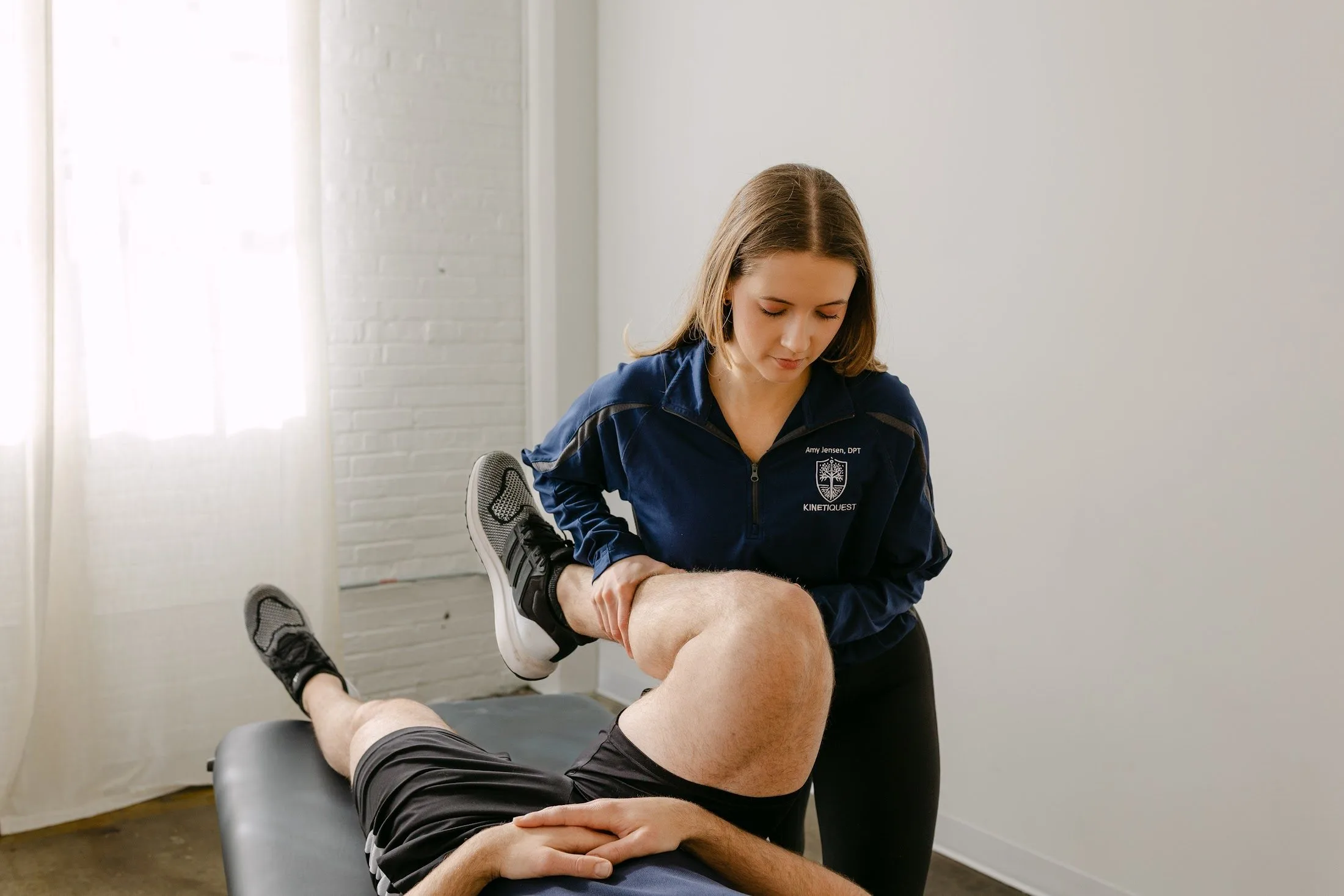
Knee pain
Runner’s knee, IT band and patellar tendon pain.
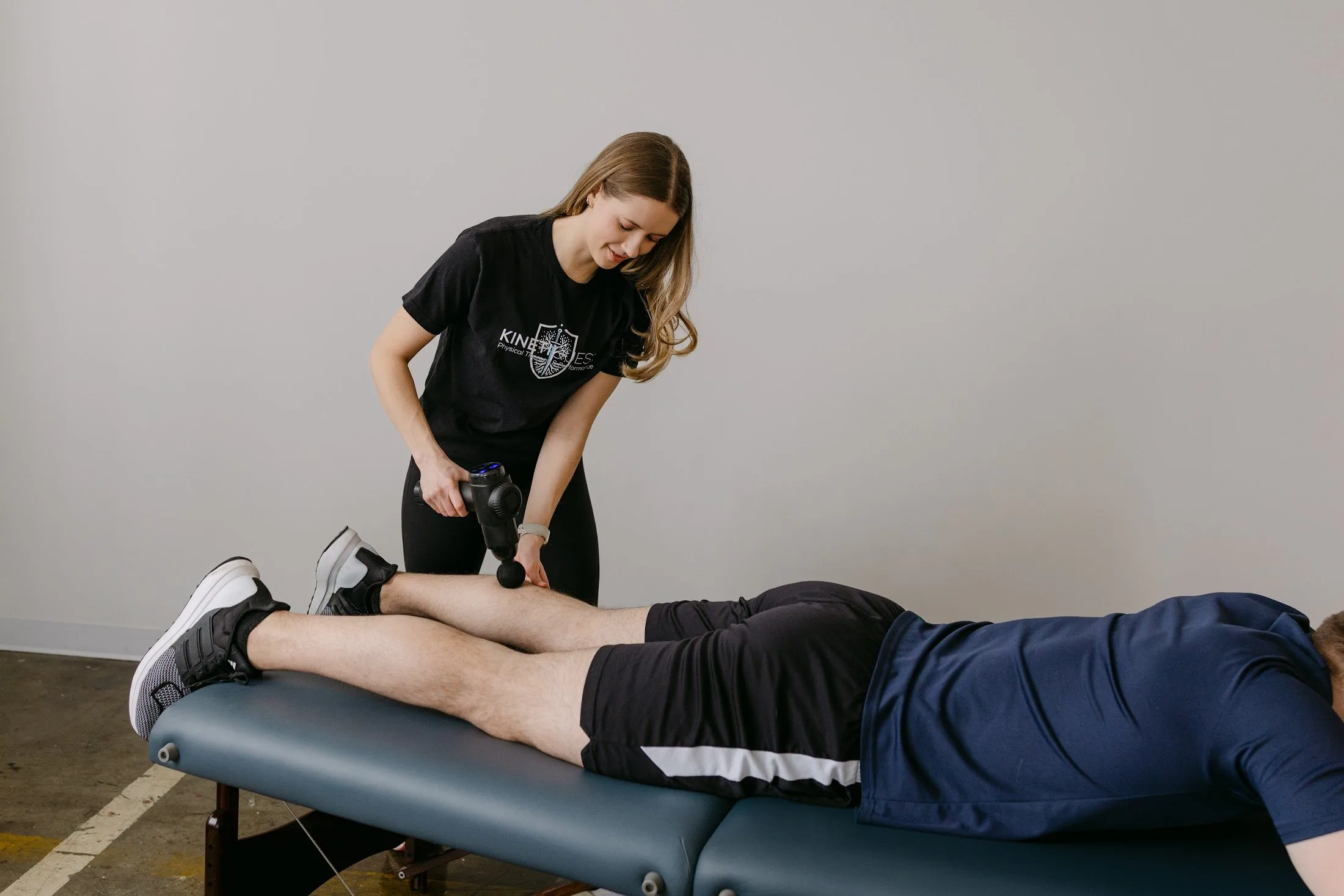
Foot & ankle pain
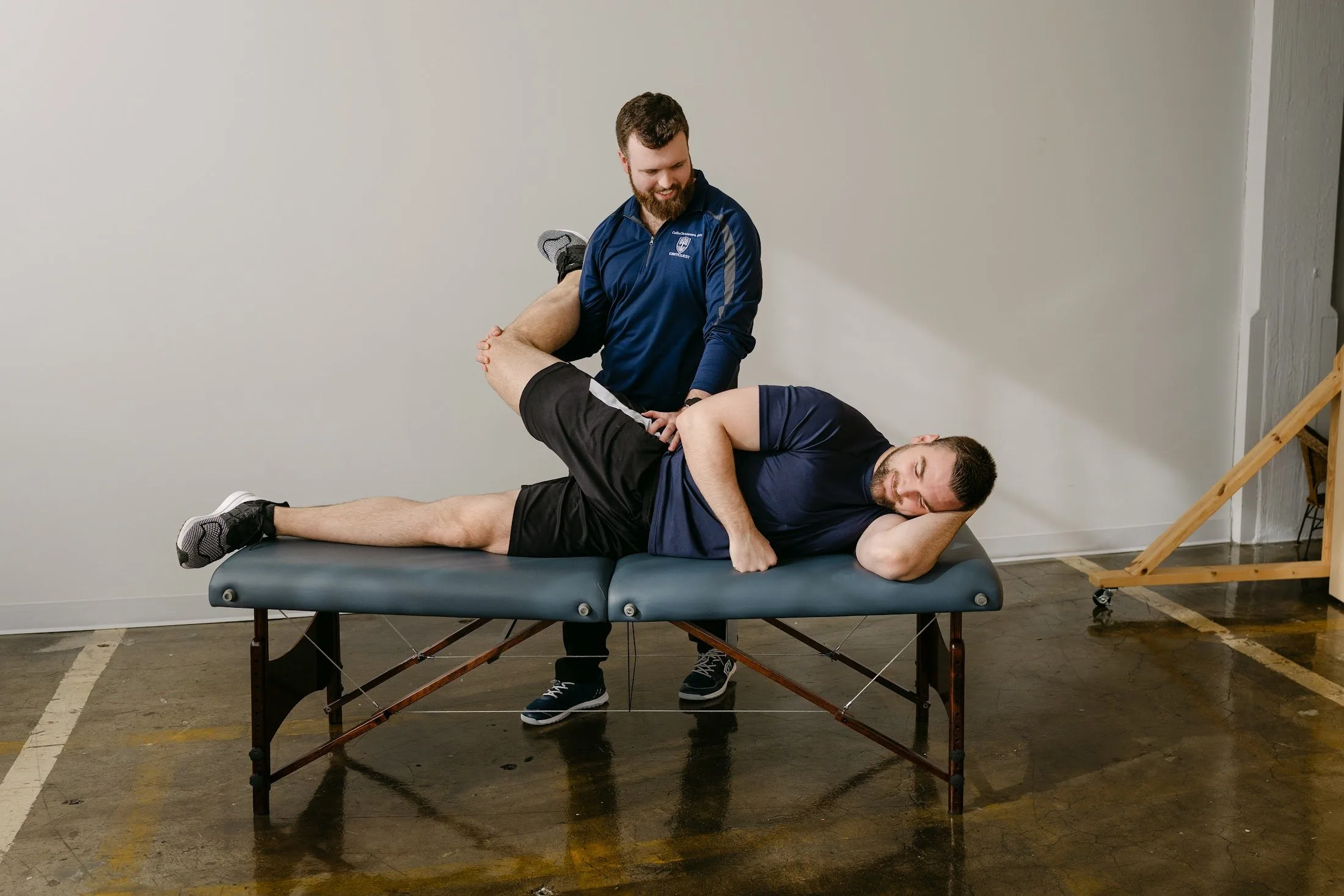
Hip & groin pain
Hip bursitis, hamstring and hip flexor pain.
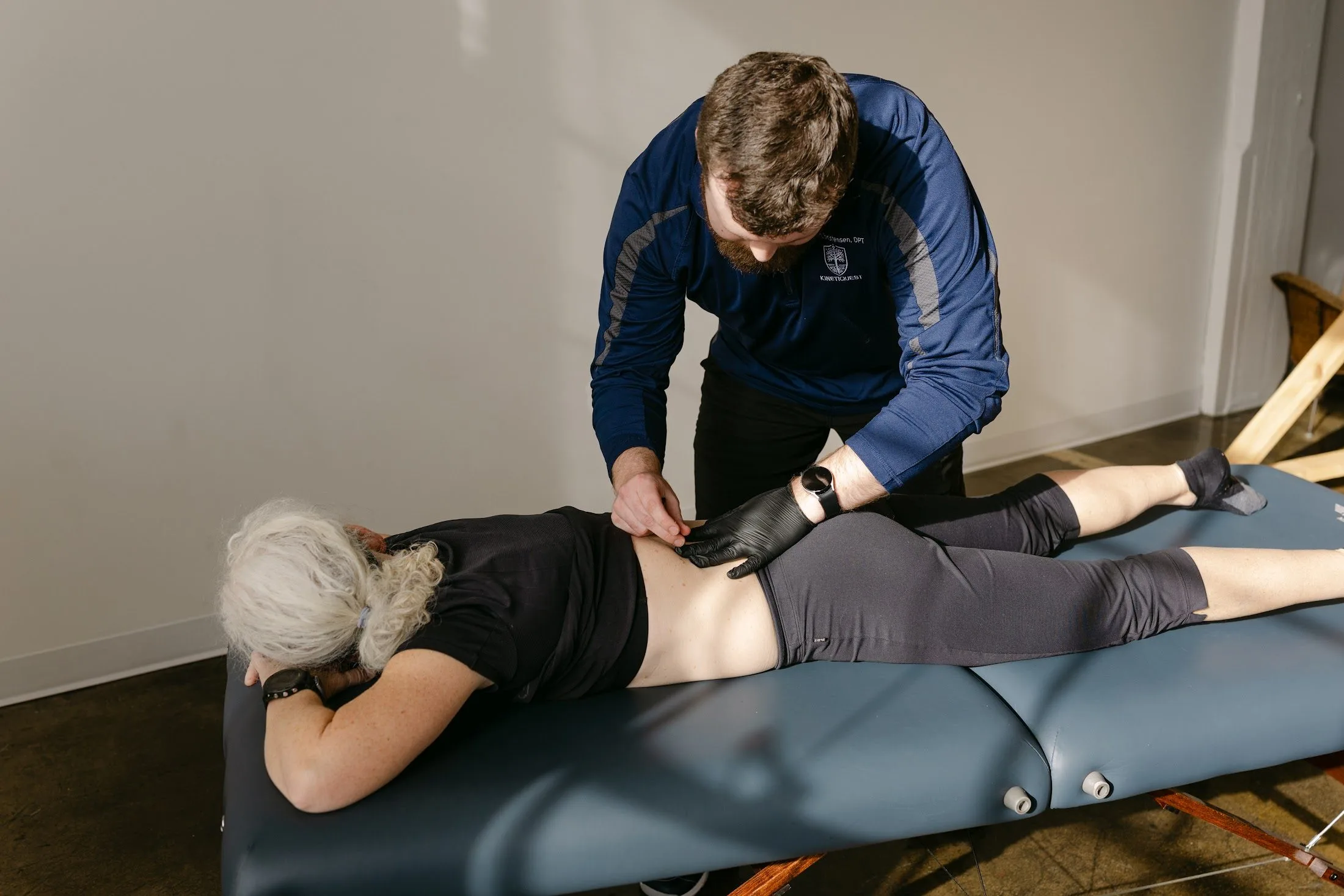
Back pain & sciatica
Low back pain on long runs.
Patient reviews
What Our Patients Say
Real words from the runners, lifters and athletes we have helped get back to training.


What to expect
How long will it take?
You leave your first visit with clear findings, a few simple cues and a strength plan built around your training block and race calendar.
Every visit is one-on-one with your own Doctor of Physical Therapy, and your program lives on your phone between visits.
Who you’ll work with
A specialist who knows your sport.
Amy is a Return to Running and Runner’s Performance Specialist who works with runners, triathletes and cyclists, and runs herself. Collin works with runners and endurance athletes too.
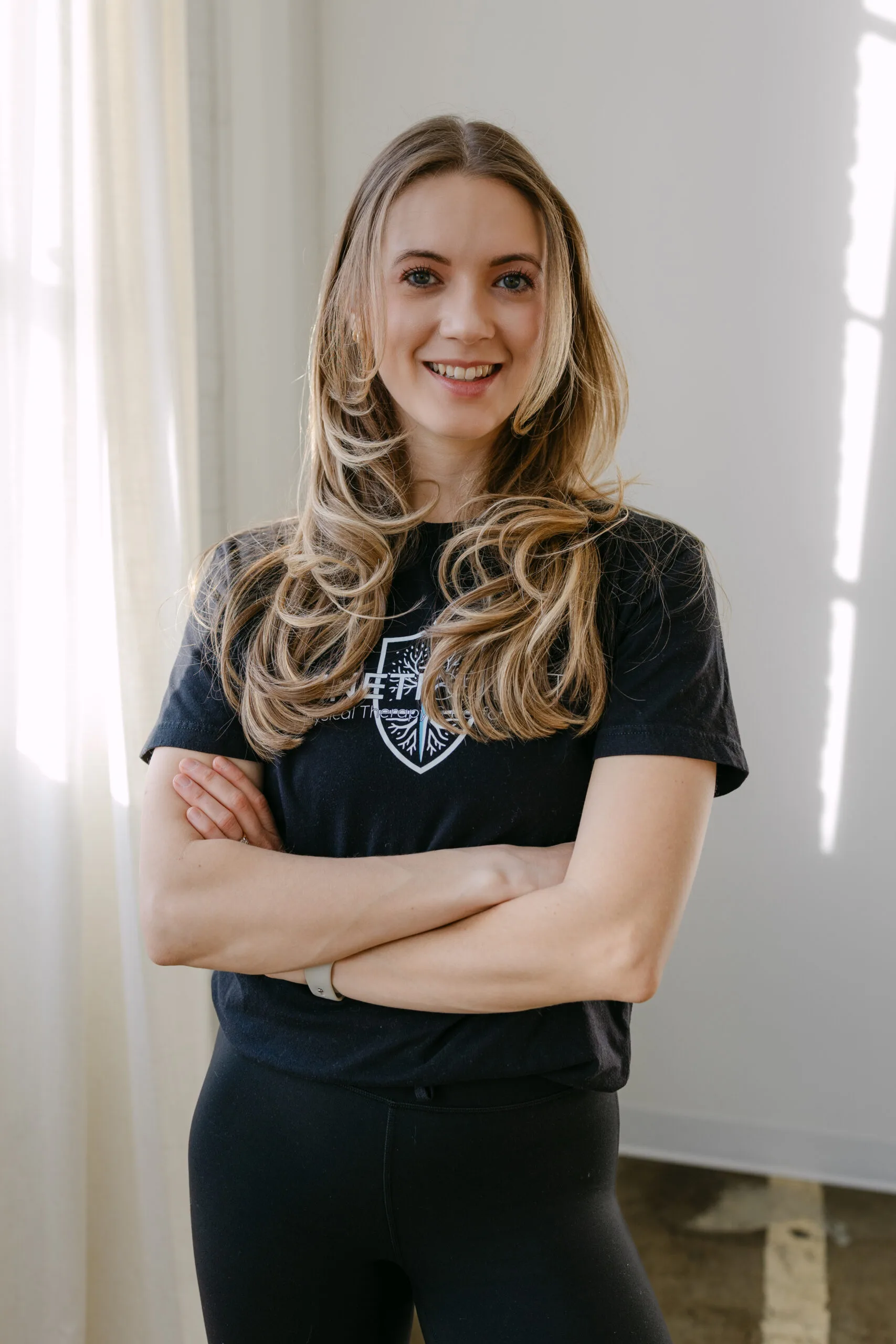
Dr. Amy Jensen
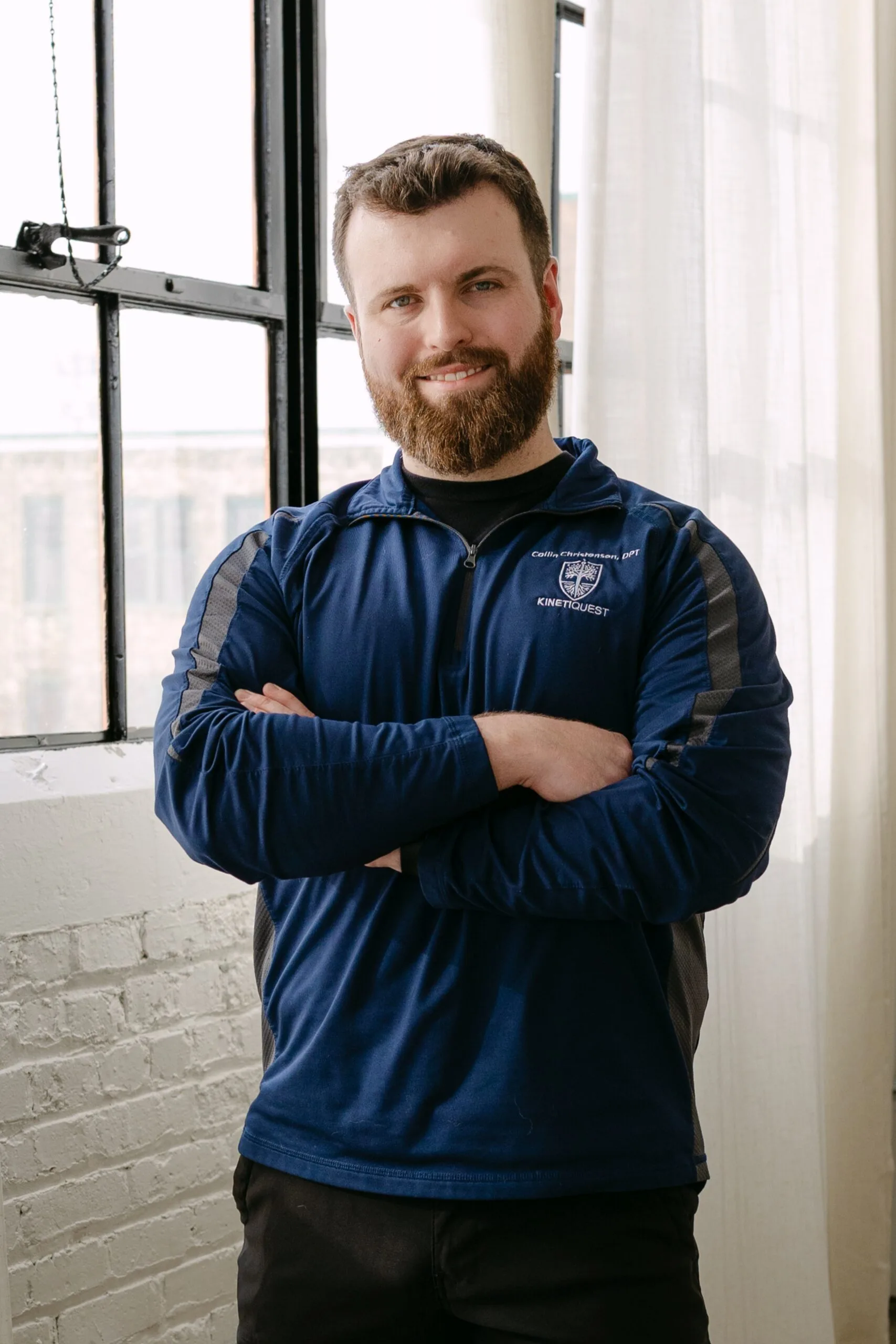
Dr. Collin Christensen
Both are residency-trained and board-certified in orthopaedics, a combination held by fewer than 2% of US physical therapists.
Free resources
Keep learning between visits.
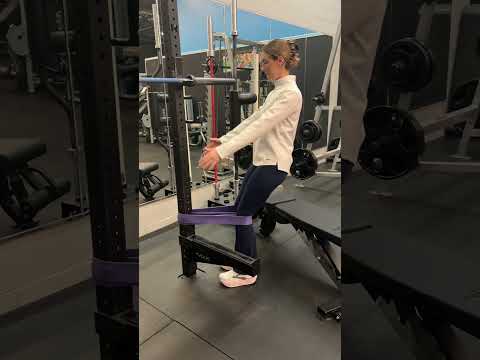
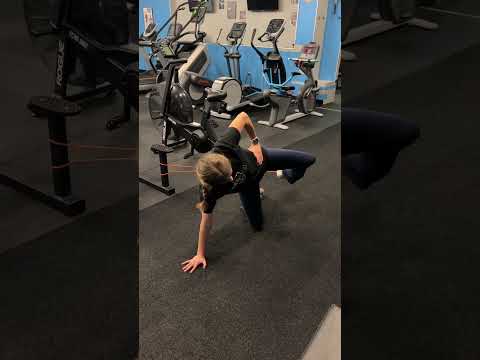
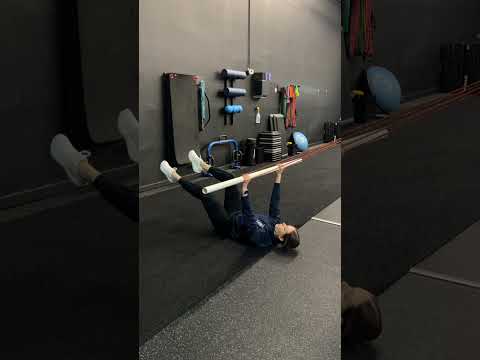
Clinic-filmed drills and gear our physical therapists actually use. Use them alongside your plan, not instead of one.
Athlete stories
Hear it from runners.
KinetiQuest clients share, in their own words, how they got back to the miles and kept training.
Steve
Master’s runner
Korey
Ironman athlete
Becca
Soccer and distance runner