
Quick answer
Can I keep training CrossFit while I rehab?
Almost always, yes. Most lifting injuries respond better to smart load changes than to time off, so we scale the movements that hurt and keep the rest of your training going.
Your plan uses the same tools you train with: barbells, kettlebells and gymnastics progressions, coached and loaded so you come back stronger than you left.
What we see
Common CrossFit & barbell injuries we treat
If it limits your training or competing, we can help. Common reasons athletes see us:
Sound familiar?
What we hear, and what we do about it.
You know your body and your sport. We listen first, then build the plan around what you want to get back to.
Common experience
“My shoulder hurts every time I go overhead.”

The KinetiQuest way
We find what’s limiting your overhead position and scale your pressing so you keep training while it settles.
Common experience
“My back tightens up after heavy pulls.”
The KinetiQuest way
We look at your hinge, bracing and volume, then build a deadlift progression that holds up under load.
Common experience
“I’ve been told to stop doing CrossFit.”
The KinetiQuest way
We rarely ask you to stop. We modify the WOD around the injury so you keep your fitness and your community.
What’s actually going on
Built for athletes who aren't done yet.
Generic rehab gets you out of pain. We get you back to crossfit & barbell. A few things most athletes are never told:
01 Volume is usually the trigger.
Most lifting pain comes from load and volume outpacing what the tissue is ready for, not from one bad rep.
02 Your movements can be the medicine.
Tempo squats, isometrics and scaled gymnastics calm pain down while keeping you strong.
03 Cleared is not the same as ready.
We test your strength and power before you go back to full intensity, so you trust the barbell again.
How we help
Three steps. Always know where you are.
One board-certified specialist guides you from your first visit to your last. It isn’t easy, but it is simple.
Step 01
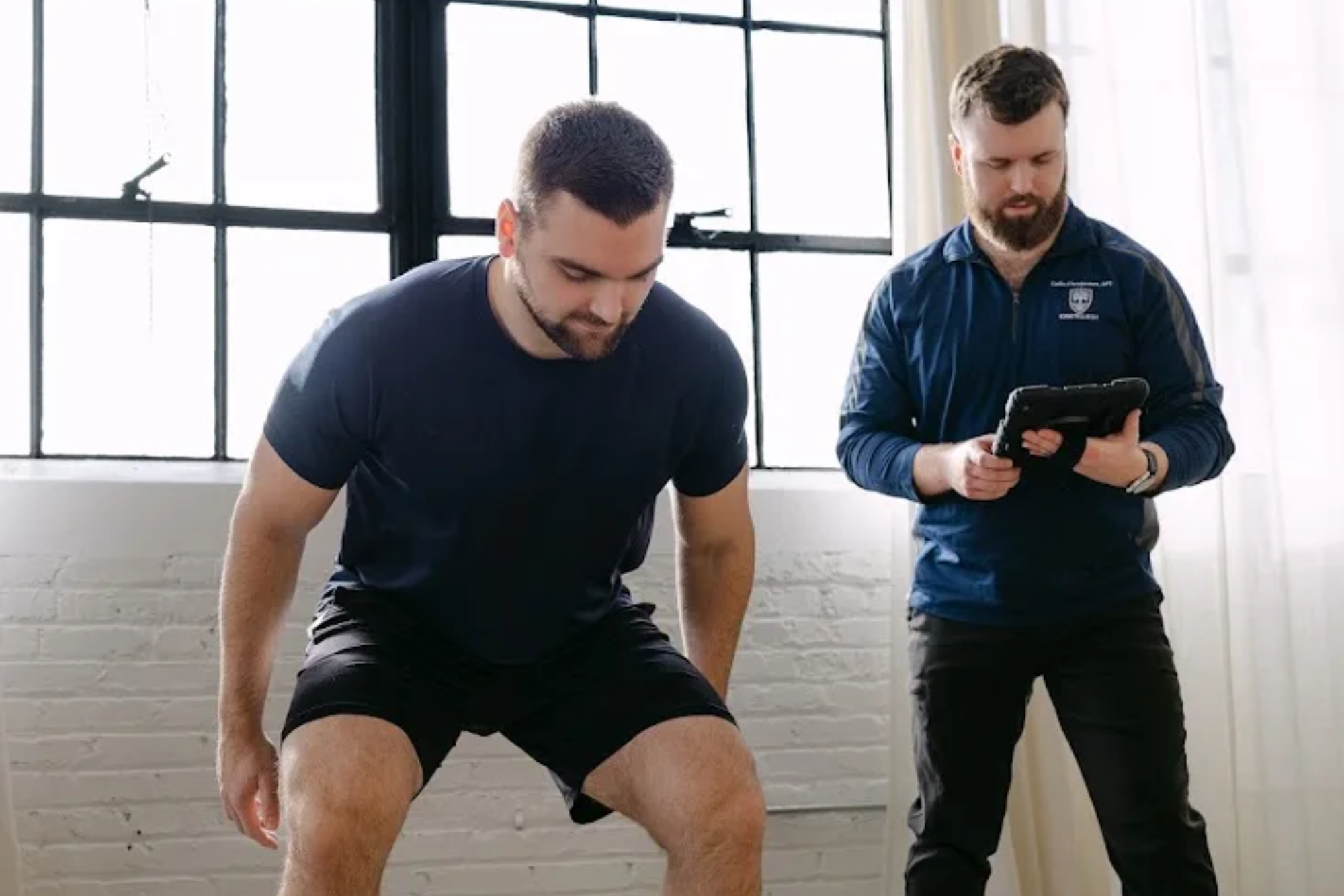
Evaluate
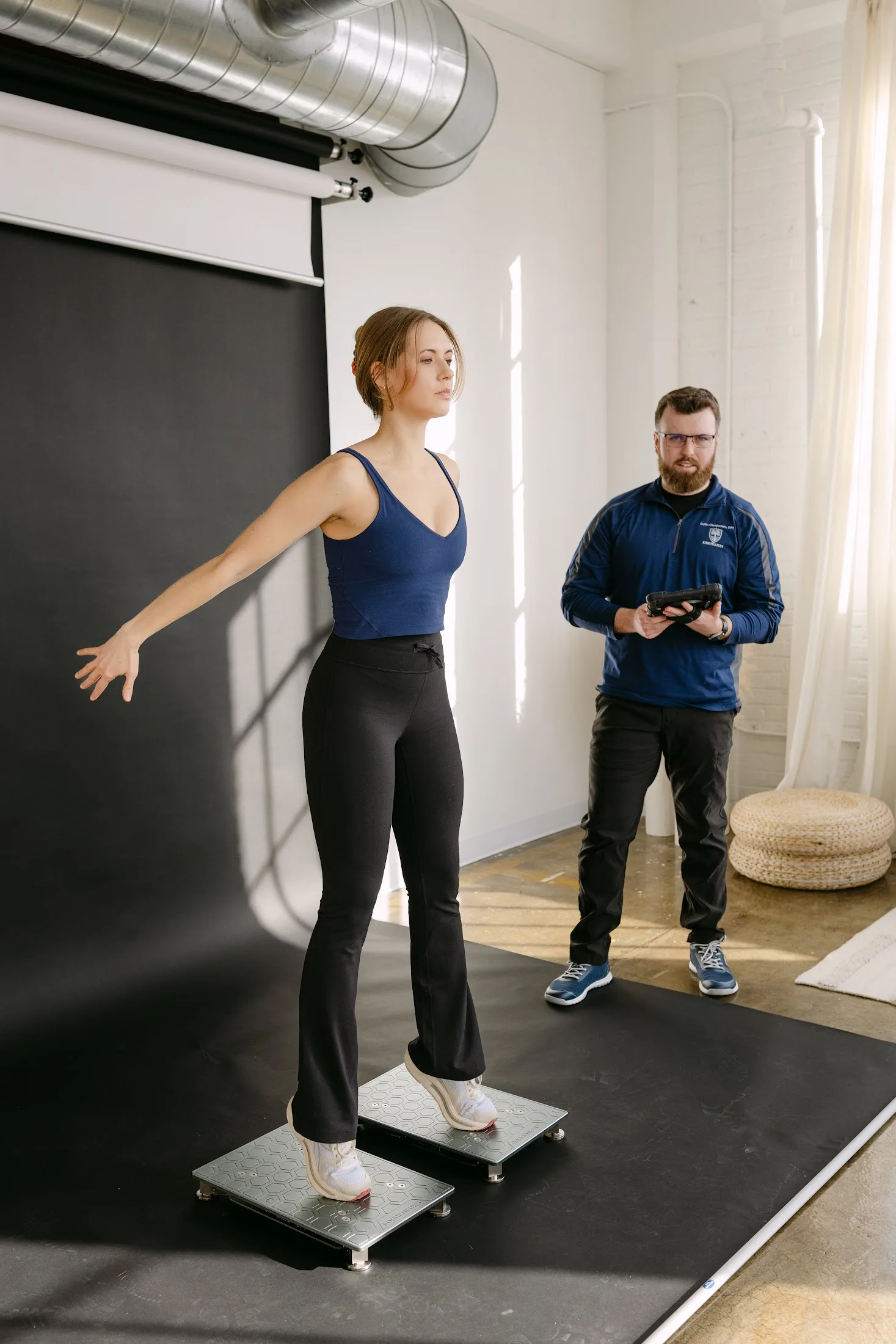
We watch you squat, hinge, press and pull, test strength side to side and look at your training volume.
Step 02
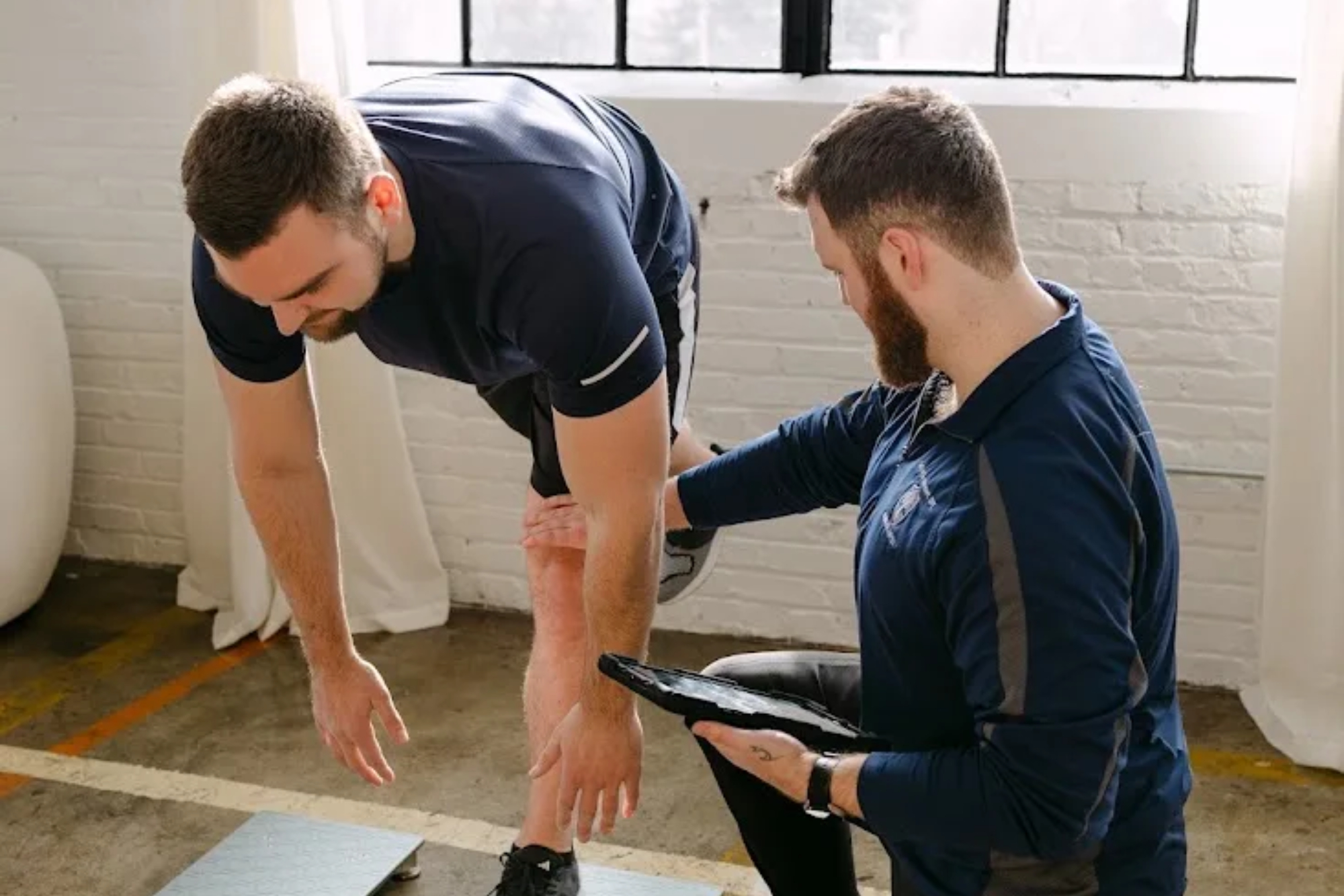
Program
Hands-on care and targeted loading calm the pain, then we rebuild positions and strength under the bar.
Step 03
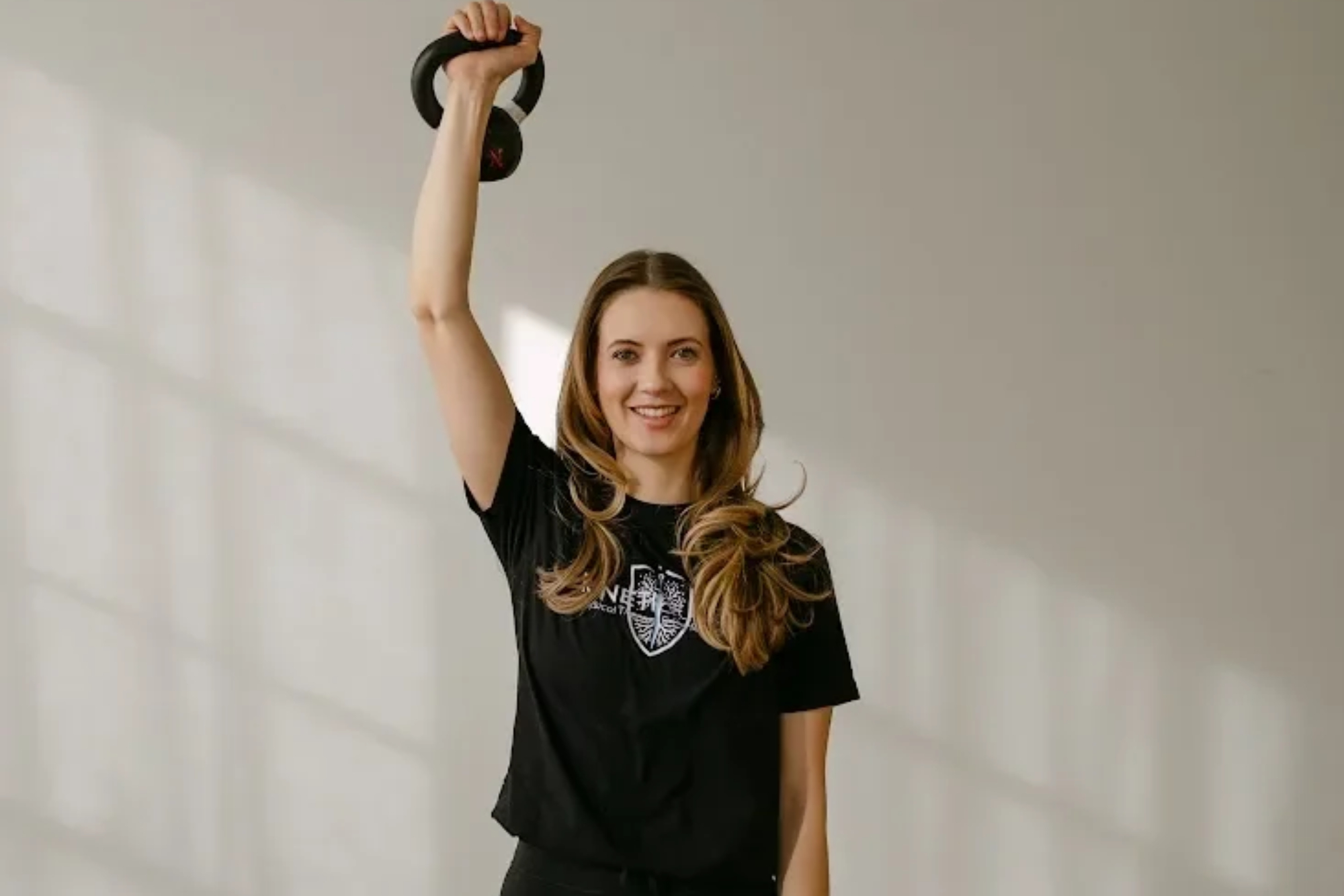
Return + Optimize
We bring back heavy lifts, Olympic lifts and gymnastics in stages and test your strength before full intensity.
Where it hurts
The injuries CrossFit & barbell athletes bring us.
Each one has its own page with what’s going on, how we treat it and the drills that help.
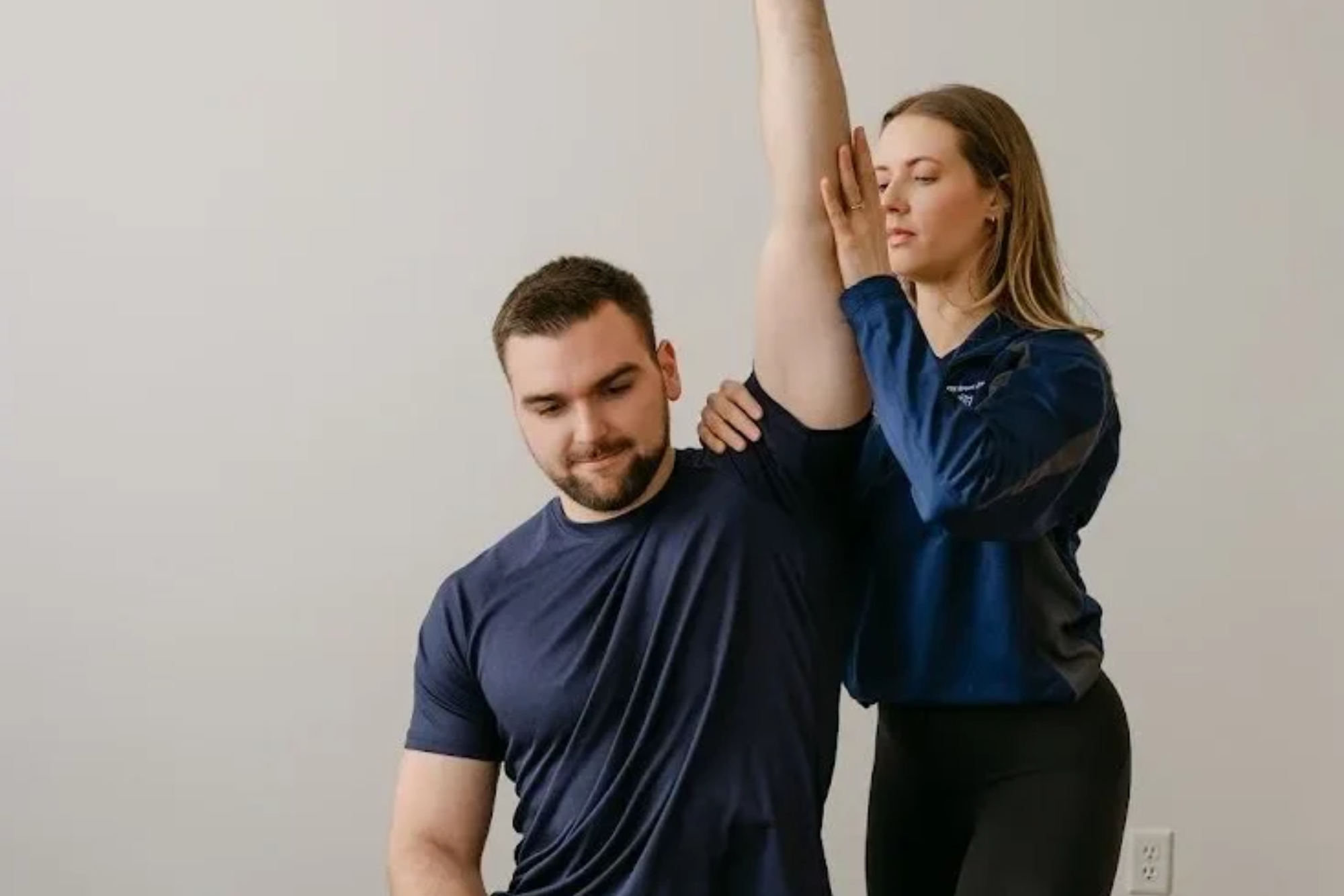
Shoulder pain
Overhead pressing, snatches, kipping and bench.
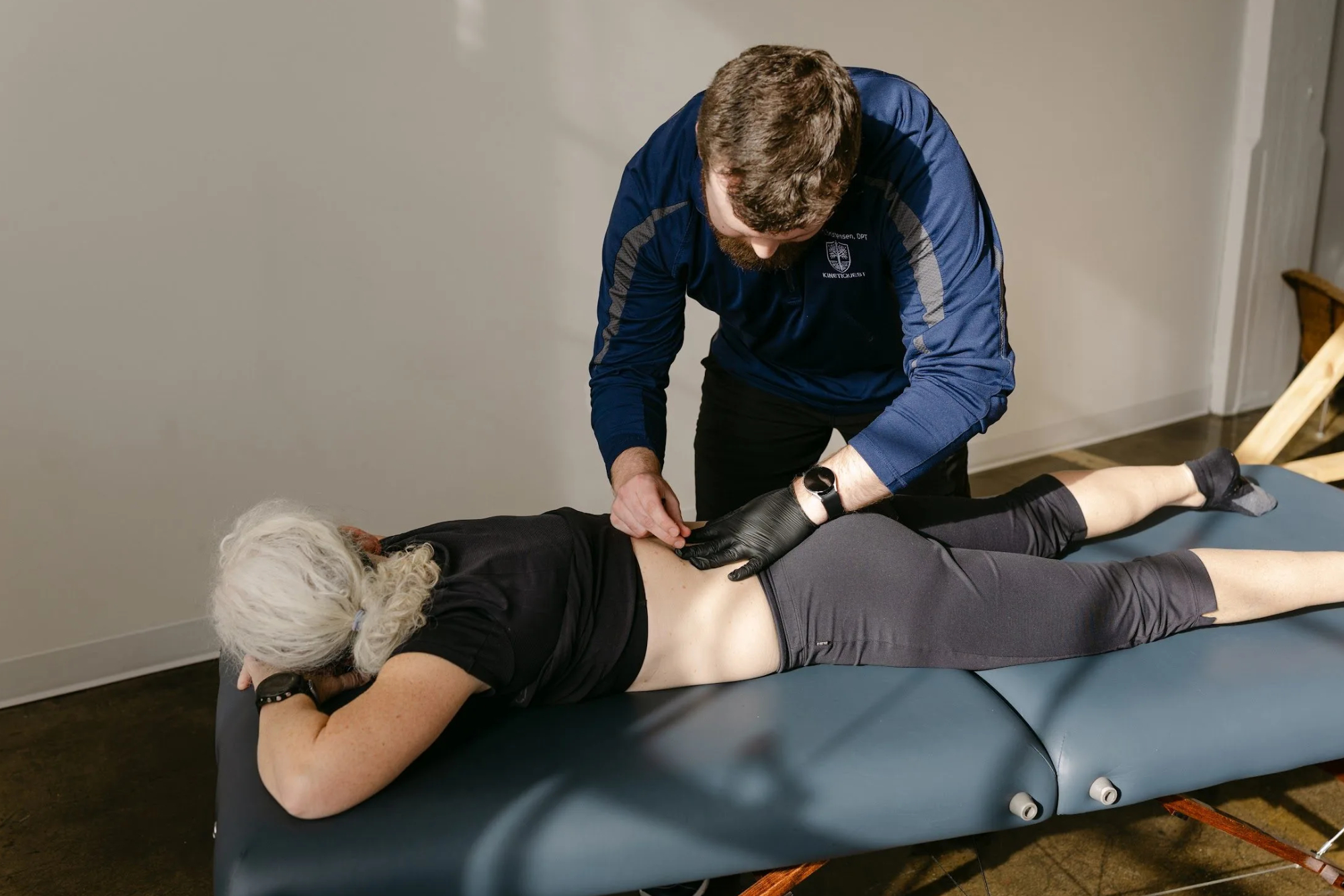
Back pain & sciatica
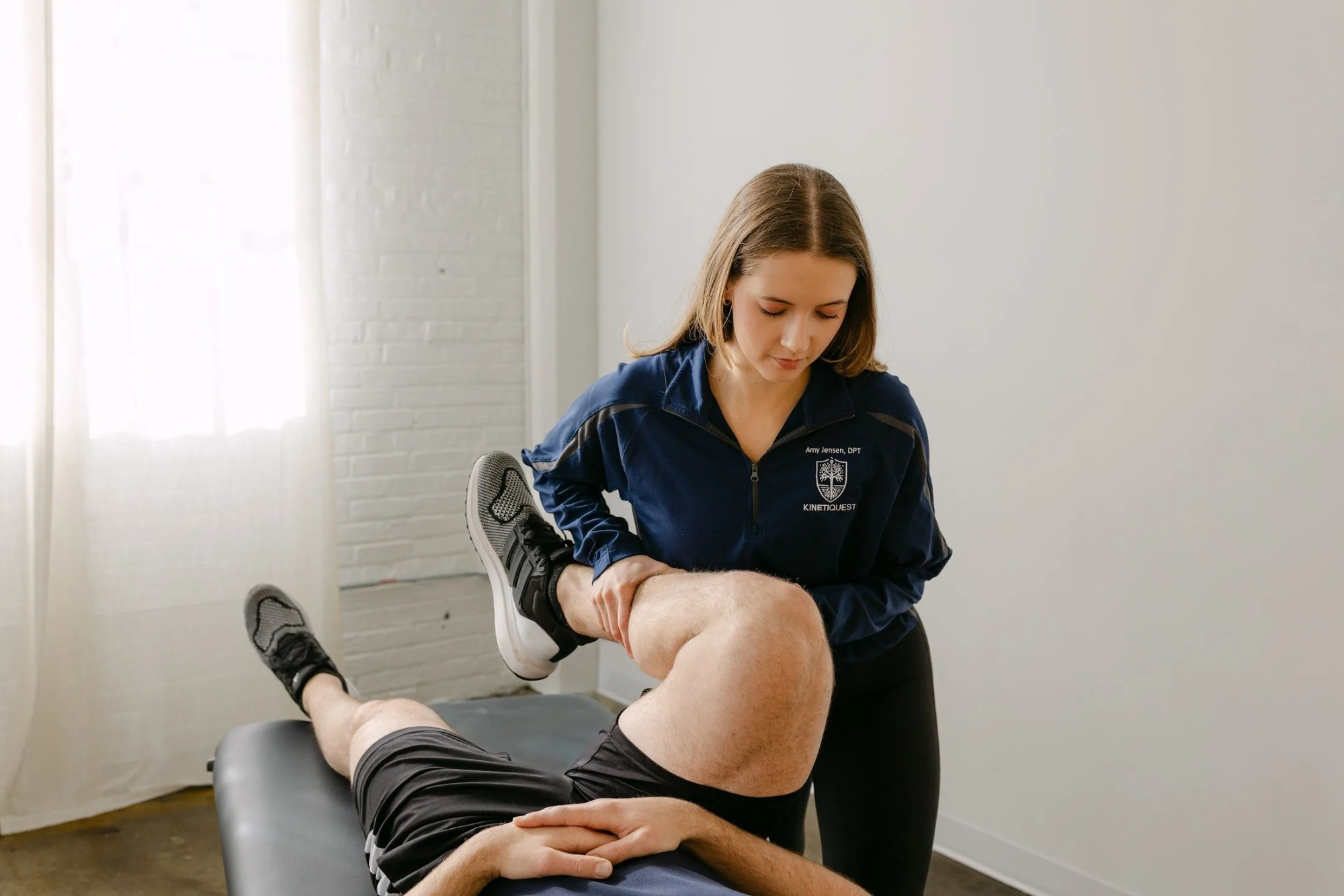
Space to move under load
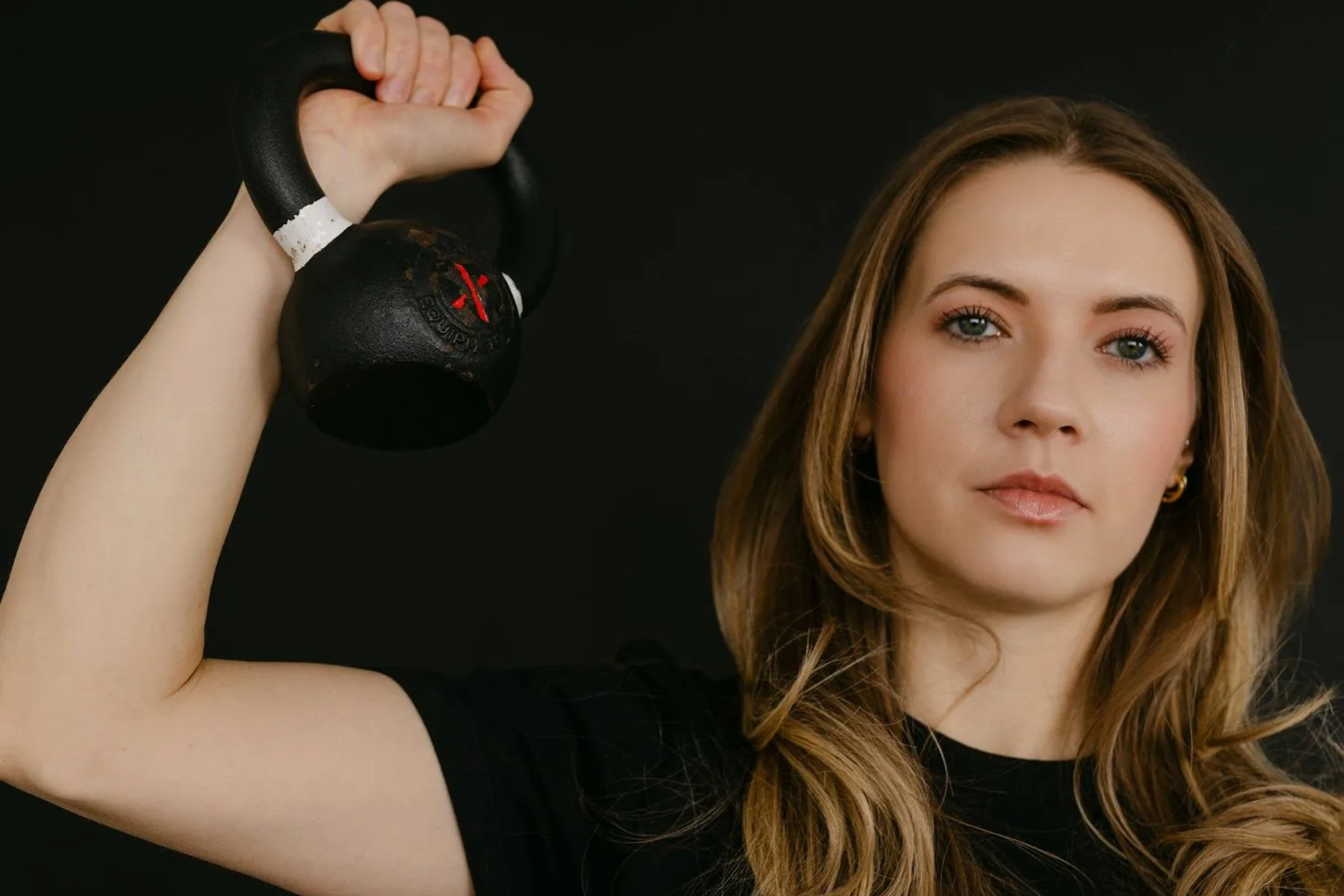
Elbow & wrist pain
What to expect
How long will it take?
Most lifters keep training from week one with a modified plan. Your first visit ends with a clear diagnosis, a scaled training plan and a realistic timeline back to full intensity.
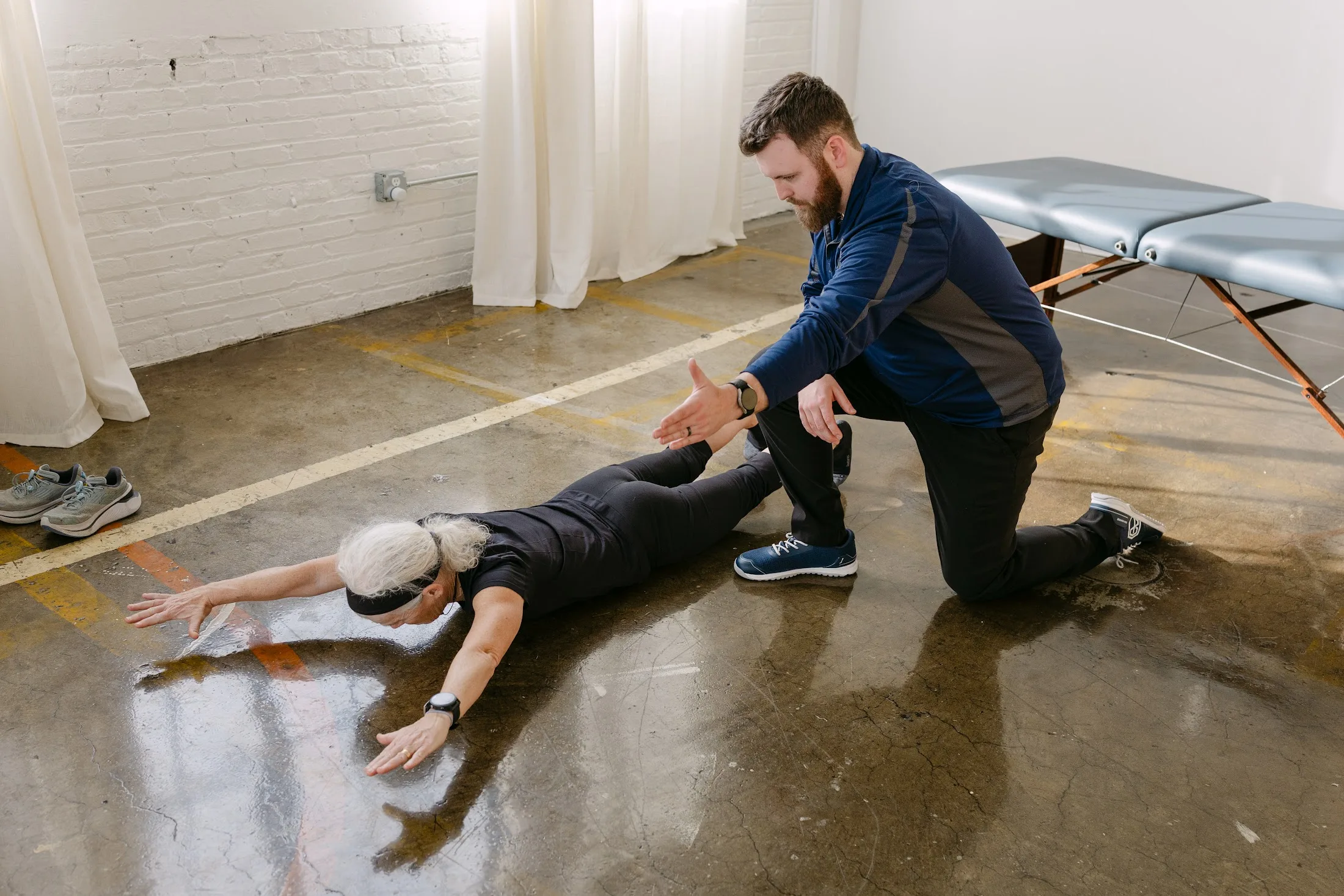
Every visit is one-on-one with your own Doctor of Physical Therapy, and your program lives on your phone between visits.
Who you’ll work with
A specialist who knows your sport.
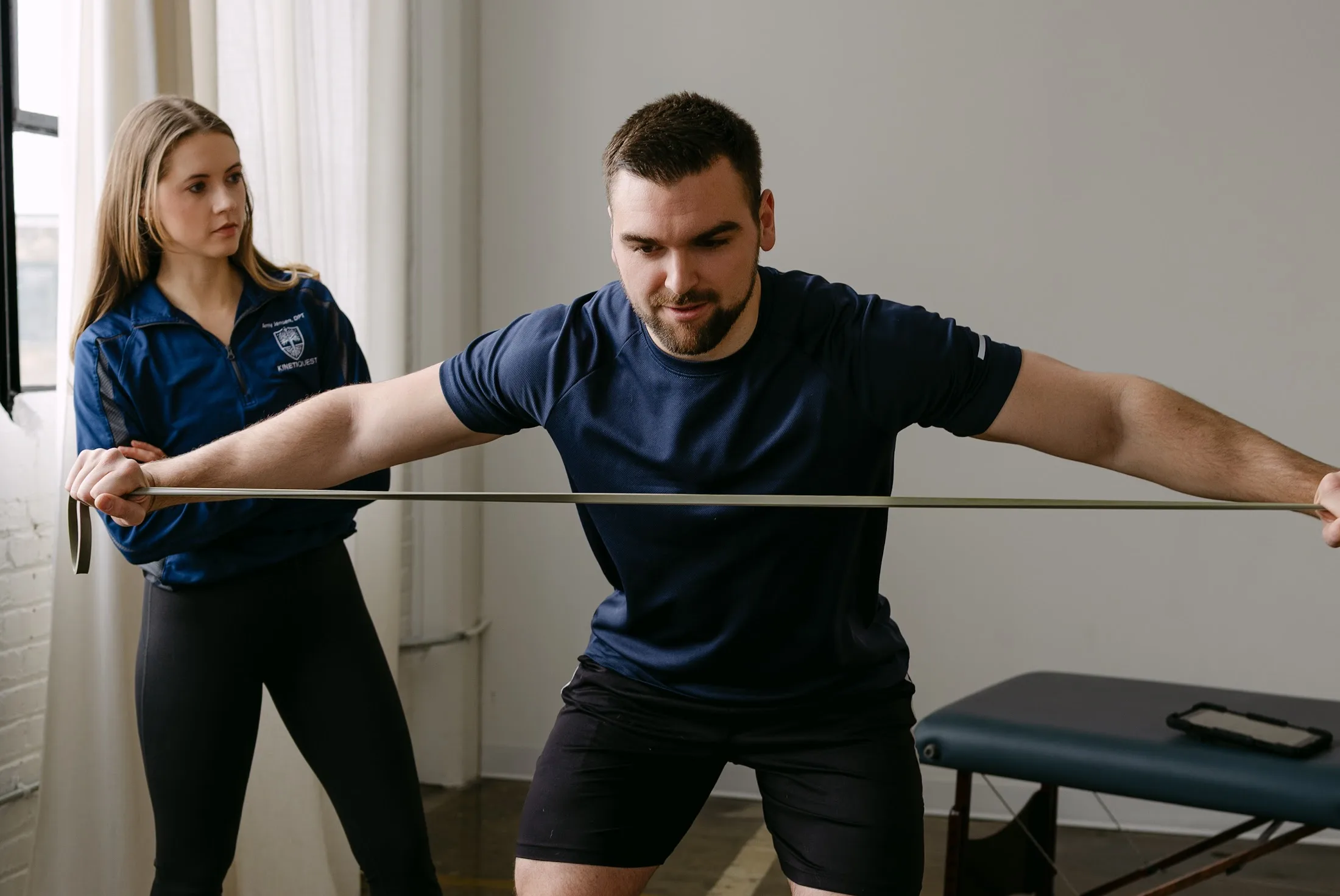
Both of our specialists lift. Collin works with CrossFit and barbell athletes every week, and Amy is a weightlifter herself.
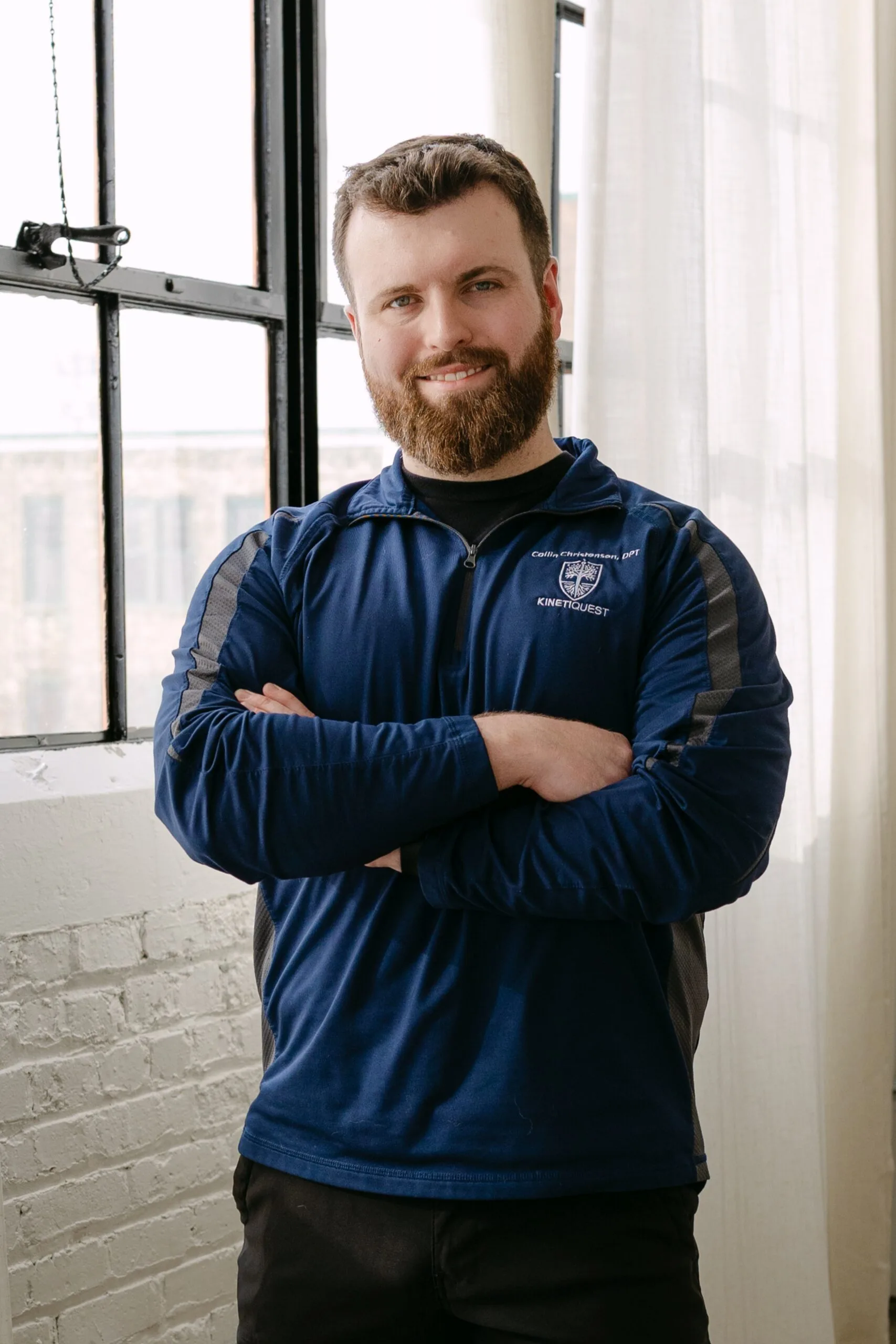
Dr. Collin Christensen

Dr. Amy Jensen
Both are residency-trained and board-certified in orthopaedics, a combination held by fewer than 2% of US physical therapists.
Free resources
Keep learning between visits.
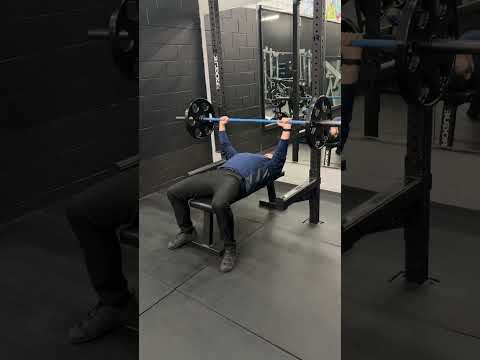
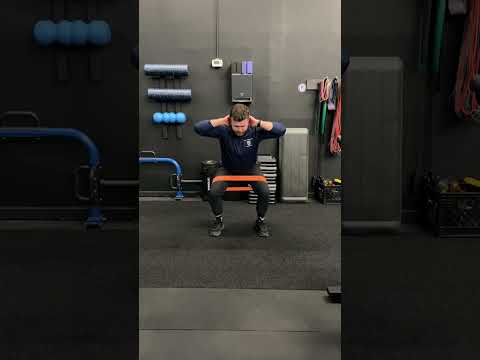
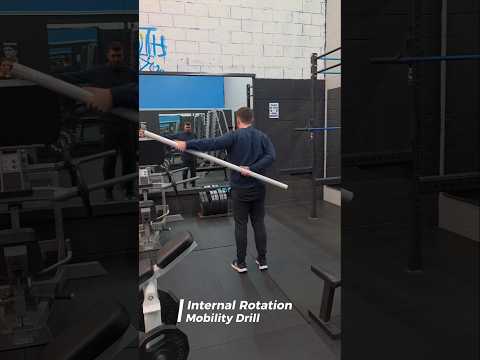
Clinic-filmed drills and gear our physical therapists actually use. Use them alongside your plan, not instead of one.
Athlete stories
Hear it from a lifter.
Rachel shares, in her own words, what working with a KinetiQuest specialist was like.
Rachel
Strength Athlete