Quick answer
What helps shoulder pain the fastest?
Most shoulder pain improves with the right mix of hands-on care, mobility and progressive strength work for the rotator cuff and shoulder blade.
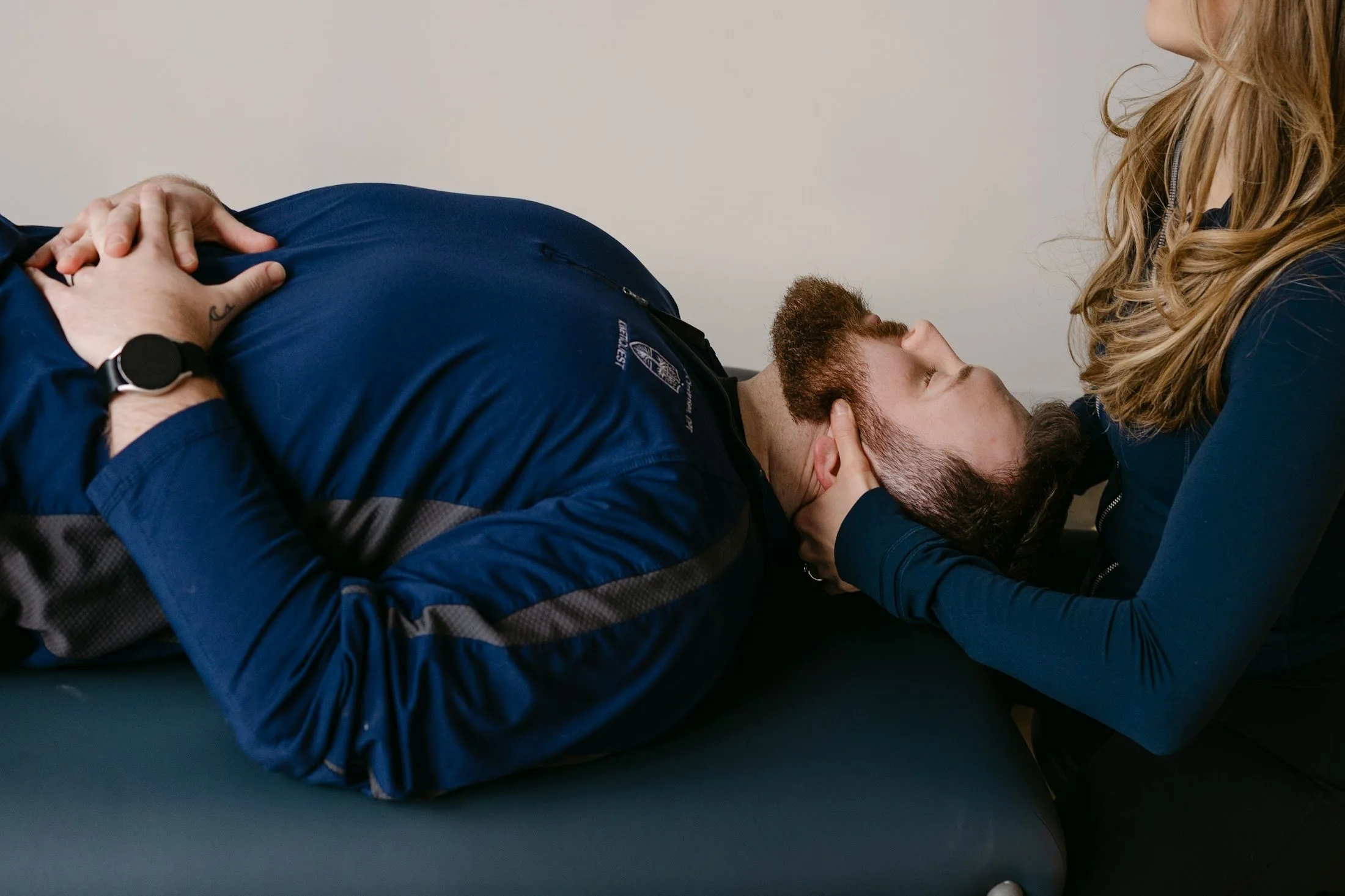
We look at the whole chain, from your neck to your mid back, so the fix lasts when you return to pressing and overhead work.
What we treat
Common shoulder pain problems we help with
If it limits your training, your work or your day, we can help. Common reasons people see us:
Sound familiar?
What we hear, and what we do about it.
You know your body and your sport. We listen first, then build the plan around what you want to get back to.
Common experience
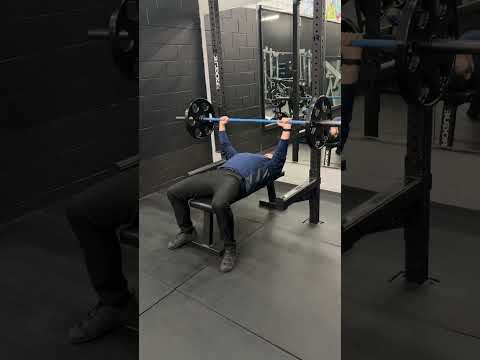
“Bench press pinches the front of my shoulder.”

The KinetiQuest way
We adjust grip, range and tempo so you keep pressing while the shoulder settles.
Common experience
“I can’t reach overhead without pain.”
The KinetiQuest way
We restore mobility through the shoulder and upper back, then load it so it holds.
Common experience
“My scan showed a rotator cuff tear.”
The KinetiQuest way
Many cuff tears cause no pain at all. We focus on strength and function first.
What’s actually going on
Pain is a signal. Not a sentence.
Shoulder pain is common and very treatable. A few things most people are never told:
01 The sore spot isn't always the source.
Stiffness in your upper back or poor shoulder blade control often drives pain in the front of the shoulder.
02 Tears are common, and often quiet.
Research shows about 65% of rotator cuff tears cause no symptoms. Function matters more than the picture.
03 Strong shoulders are resilient shoulders.
Progressive loading builds tendon capacity, which is what keeps pain from coming back.
How we treat it
Three steps. Always know where you are.
One board-certified specialist guides you from your first visit to your last. It isn’t easy, but it is simple.
Step 01
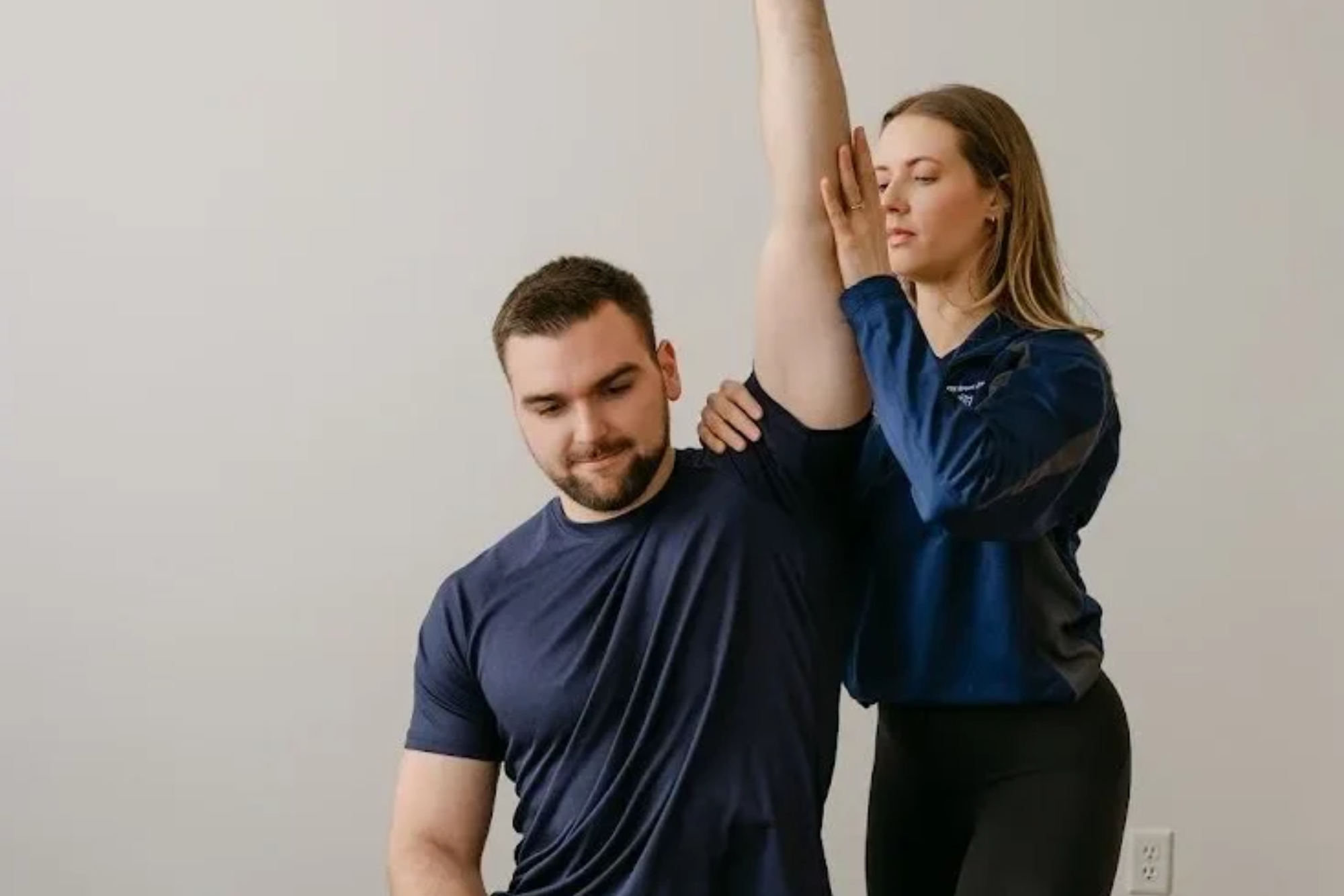
Evaluate
We assess range, strength and control through the shoulder, shoulder blade, neck and upper back.
Step 02
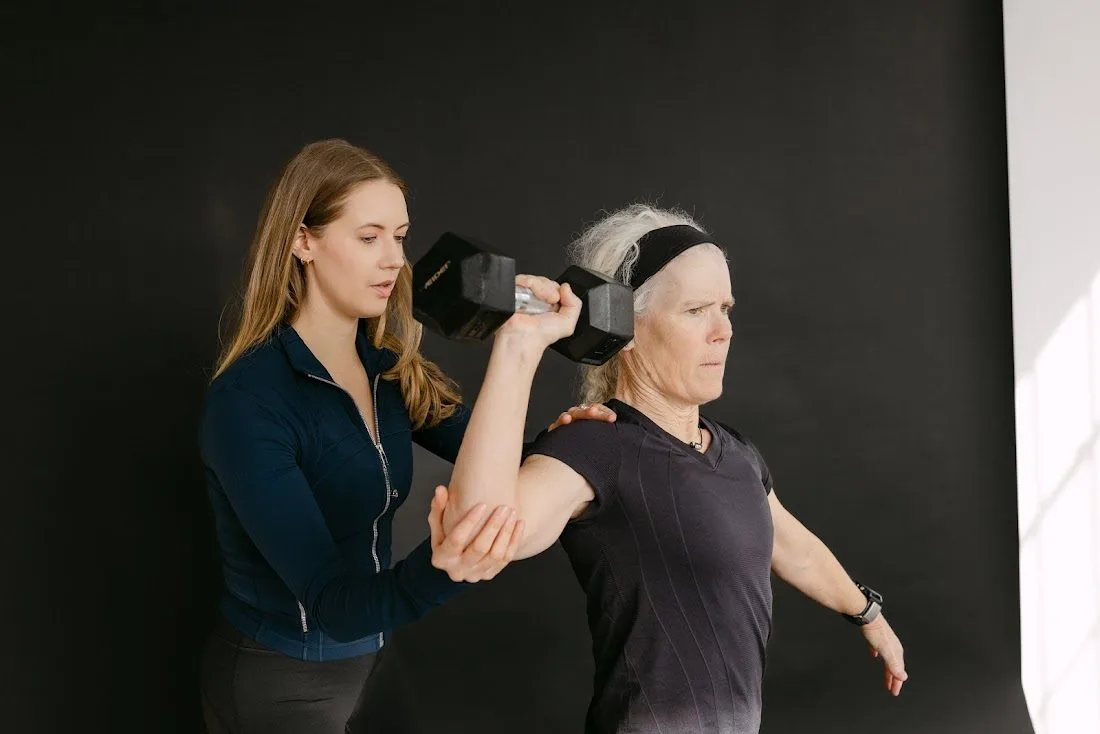
Program
Hands-on care and targeted drills calm the pain. Then we build rotator cuff and shoulder blade strength under real load.
Step 03
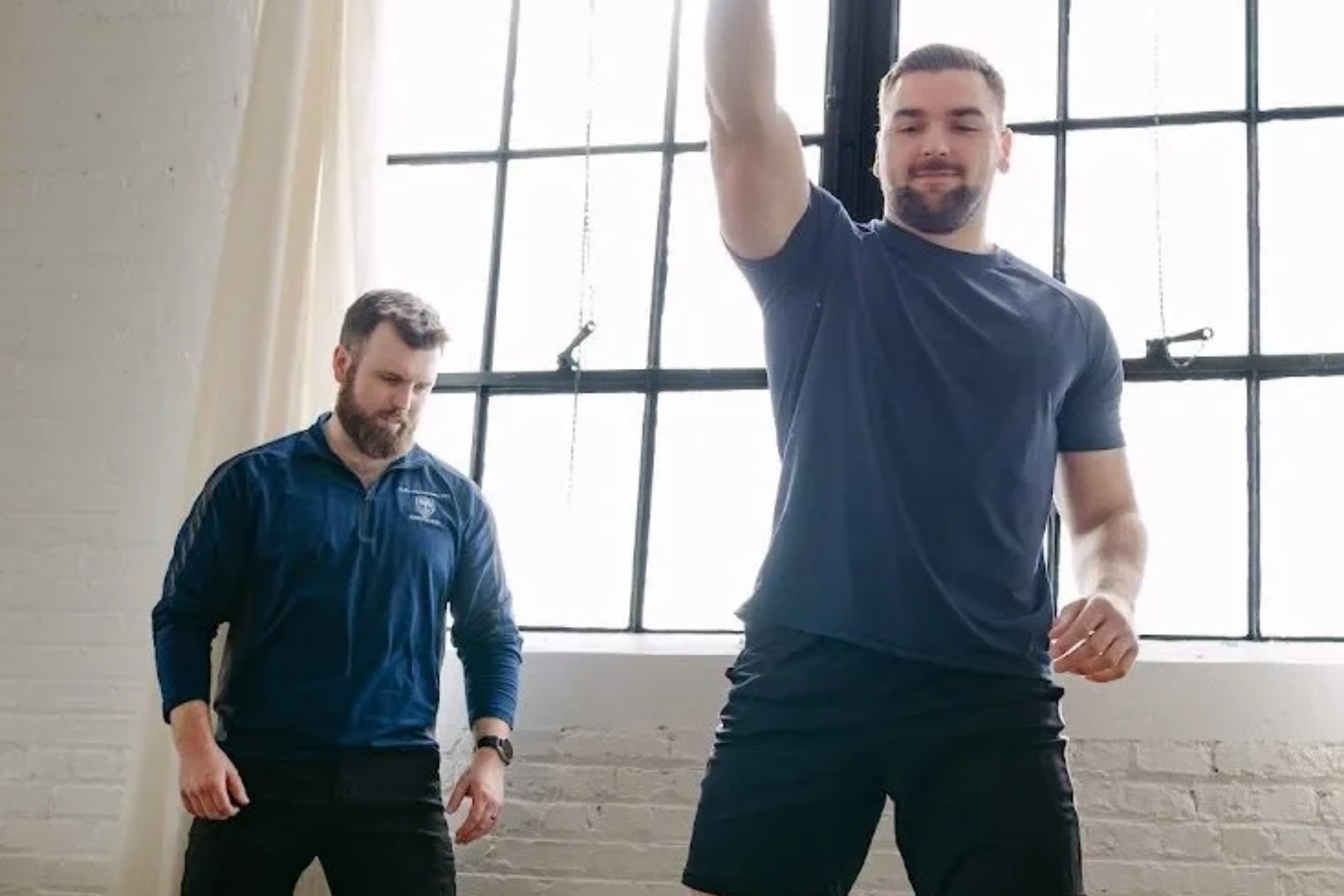
Return + Optimize
We progress pressing, pulling and overhead work back to full intensity and measure strength before you return.
Keep training while you heal
Your rehab should match your training.
We modify your training around the problem instead of shutting it down, so you keep the fitness you built.
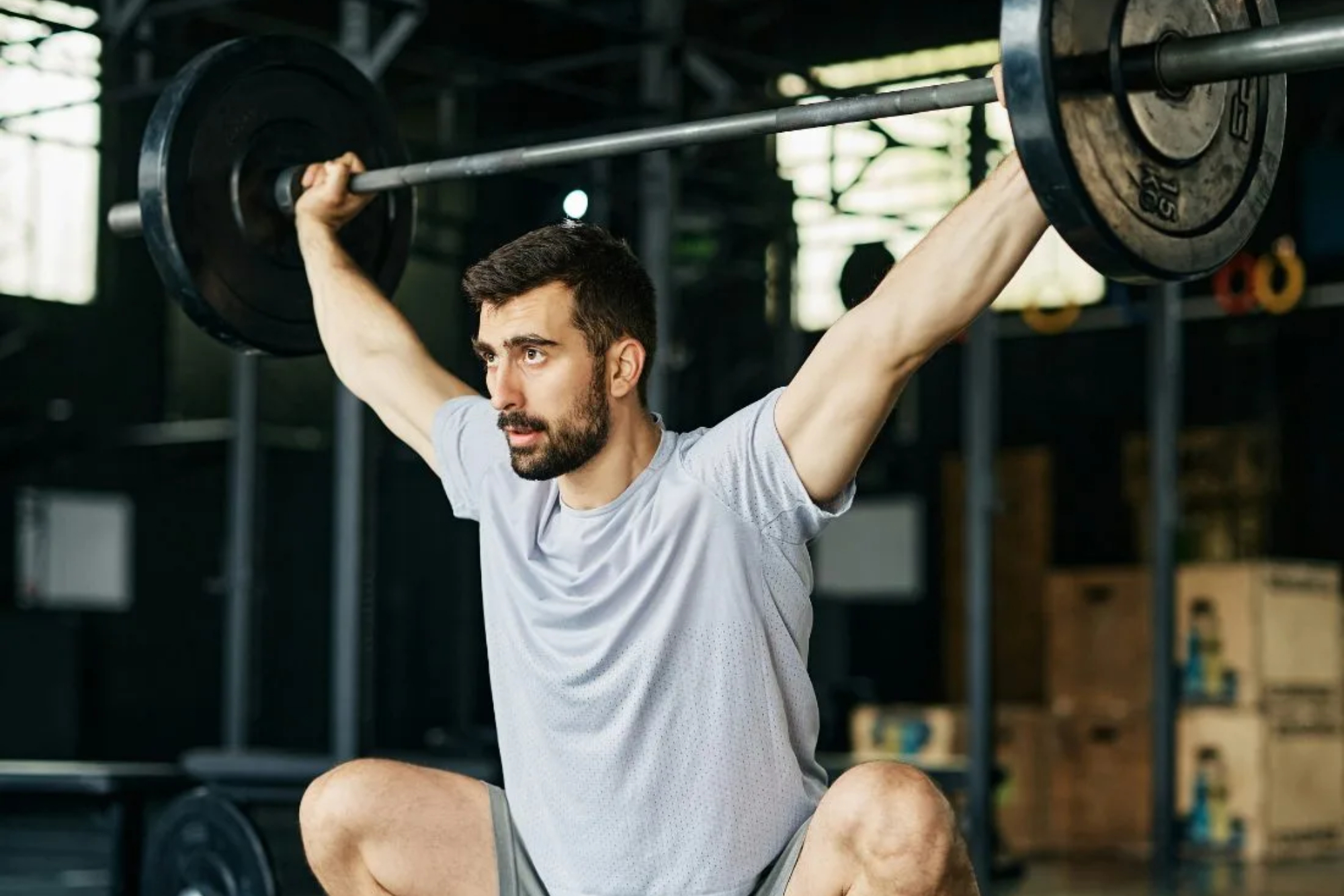
Lifters
Bench and overhead press modifications keep you training while we rebuild the shoulder.
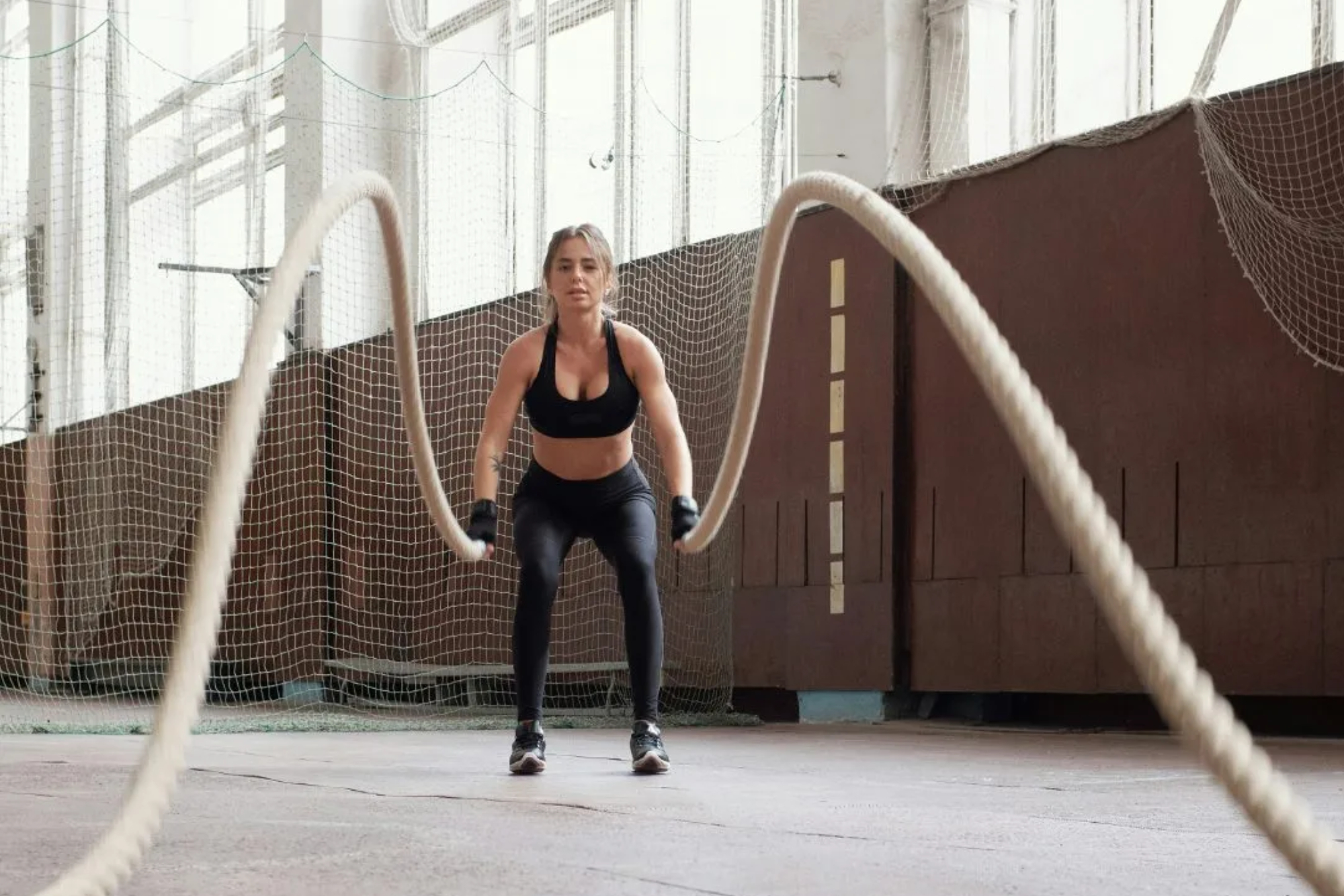
CrossFit athletes
We scale kipping, snatches and handstands smartly, then build you back to Rx.

Overhead athletes
Throwing, swimming and racket sports get a staged return built around your season.
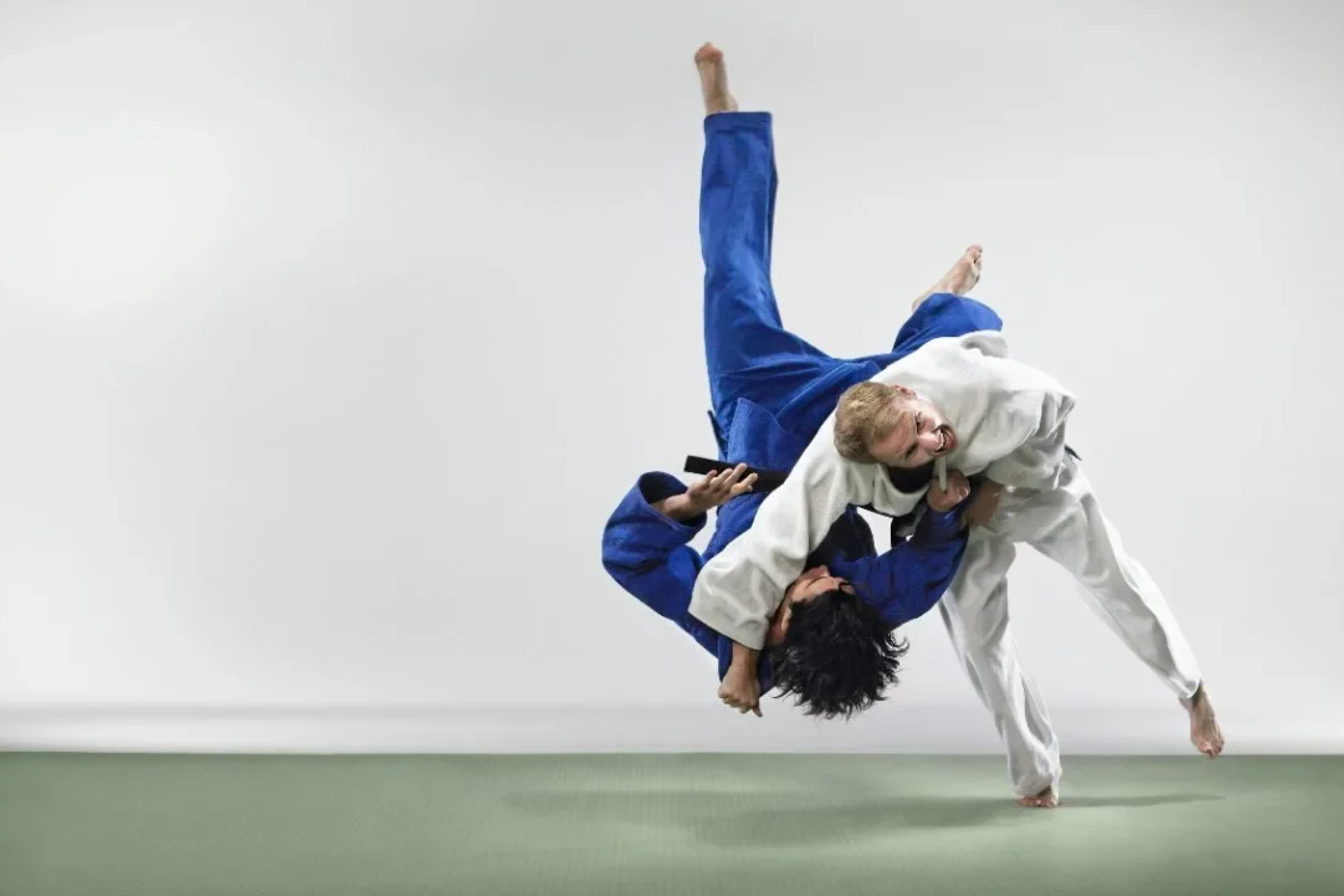
Grapplers
Stability and strength work for the positions that load the shoulder on the mats.
What to expect
How long will it take?
Most people notice less pain and better movement within the first few visits. Your plan includes a clear timeline and strength targets for your sport.
Every visit is one-on-one with your own Doctor of Physical Therapy, and your program lives on your phone between visits.
When to see a doctor first
Get checked right away if you have:
Shoulder pain with chest pain or shortness of breath
A shoulder that looks deformed after a fall
Sudden loss of the ability to lift your arm
Shoulder pain with fever or redness
Numbness or weakness spreading down the arm
If you’re not sure, call us. We’ll tell you honestly whether physical therapy is the right first step.
Free resources
Keep learning between visits.
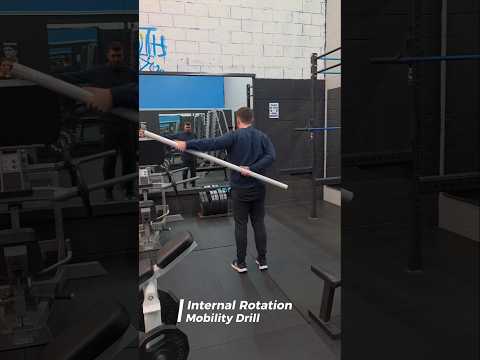
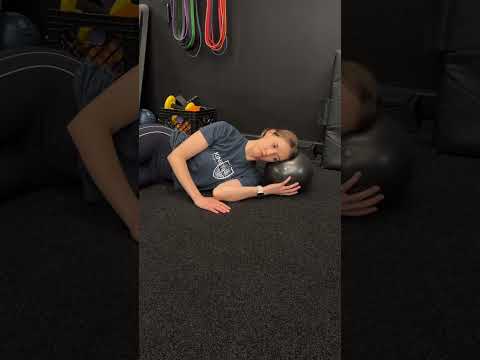
Clinic-filmed drills and gear our physical therapists actually use. Use them alongside your plan, not instead of one.